A Beginner's Guide to Mexican Salsas: Flavorful Basics for Every Home Cook
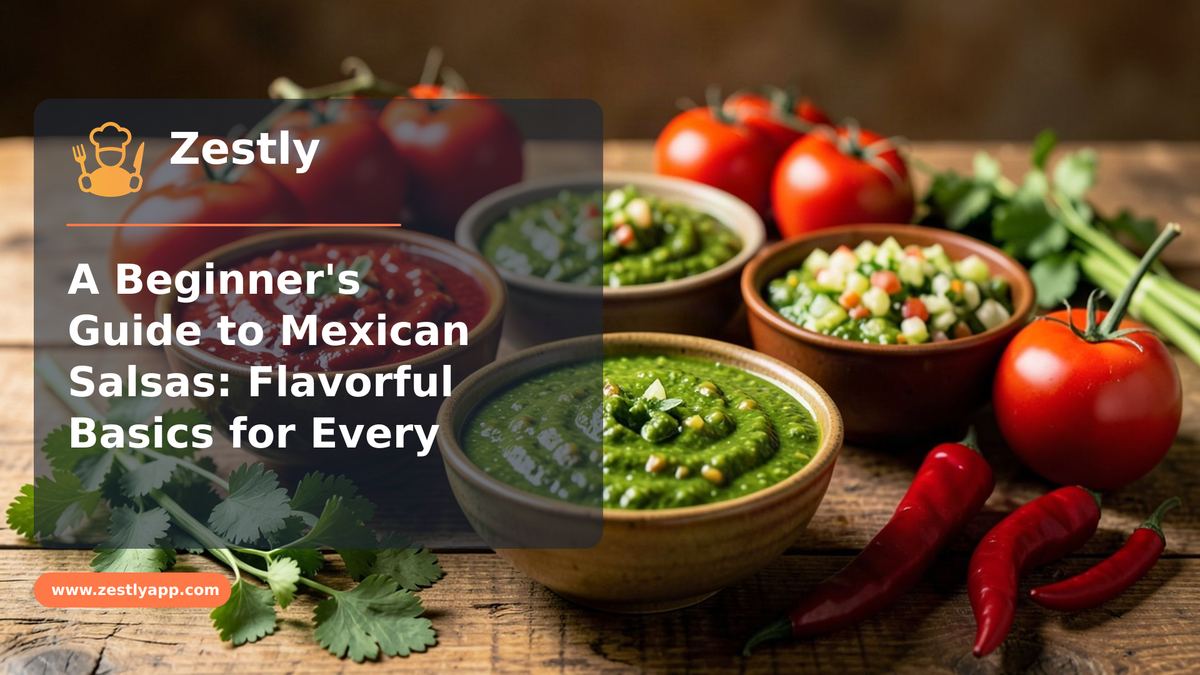
The world of Mexican salsas is vibrant, diverse, and bursting with flavor. Whether you’re looking to spice up your weeknight dinner or impress guests at a weekend fiesta, mastering a few basic salsas is a delicious way to start exploring Mexican cuisine.
The Basics of Mexican Salsas
At its core, a salsa is simply a sauce, but in Mexican cuisine, it’s so much more. Traditional salsas can be raw or cooked, chunky or smooth, and mild or fiery. The magic begins with fresh ingredients like tomatoes, tomatillos, and chiles. Common herbs include cilantro and oregano, while spices often feature cumin and garlic.
The real beauty of salsas is their versatility. They can serve as dips, toppings, or even cooking sauces, enhancing everything from tacos to grilled meats like our Grilled Skirt Steak with Charred Salsa Roja. The key to a great salsa is balancing the flavors to suit your taste. Whether you prefer the smoky richness of a charred salsa or the zesty freshness of a raw one, there's a salsa for every palate.
Essential Ingredients
A great salsa usually starts with a few key ingredients:
- Tomatoes or Tomatillos: These are the heart of many salsas. Tomatoes bring a natural sweetness and juiciness, while tomatillos provide a unique tangy flavor that brightens the salsa. When selecting these ingredients, look for firm, ripe tomatoes and tomatillos with intact husks.
- Chiles: The choice of chile can drastically alter the heat and flavor profile of your salsa. Jalapeños are a classic choice for moderate heat, while serranos can add a sharper kick. For those who love intense heat, habaneros bring a fruity, fiery punch.
- Cilantro: This herb adds a layer of freshness and a bright, citrusy note to the salsa. If you're not a cilantro fan, consider substituting with fresh parsley for a milder herbaceous touch.
- Onions and Garlic: These ingredients add depth and a savory backbone to the salsa. Use white or red onions for a sharper taste, or opt for sweet onions if you prefer a milder flavor. Garlic should be minced finely to distribute its pungency evenly.
- Acid: Lime juice is the traditional choice for its bright, zesty flavor, but apple cider vinegar can also be used for a subtler acidity that complements the other ingredients.
Techniques to Master
To create authentic Mexican salsas, a few techniques can make all the difference:
- Roasting: Char your tomatoes, chiles, and onions to bring out their smoky flavors. This technique is essential for salsas like salsa roja. Roasting can be done over an open flame, on a grill, or in an oven. The goal is to achieve a charred exterior while maintaining a juicy interior, which adds complexity and depth to your salsa.
- Grinding: Use a mortar and pestle or a blender to achieve the desired texture, whether chunky or smooth. A mortar and pestle will give you more control over the texture, allowing for a rustic, chunky salsa. A blender is perfect for a smoother consistency, though be careful not to over-blend and lose the salsa's character.
- Balancing: Taste and adjust seasoning, acidity, and heat levels to suit your preference. Salsas are highly personal, so feel free to experiment. If the salsa is too spicy, add more tomatoes or a pinch of sugar to mellow it out. If it's too bland, a dash of salt or a squeeze of lime can elevate the flavors.
Classic Salsas to Try
Here are three approachable salsas to start your journey:
Pico de Gallo
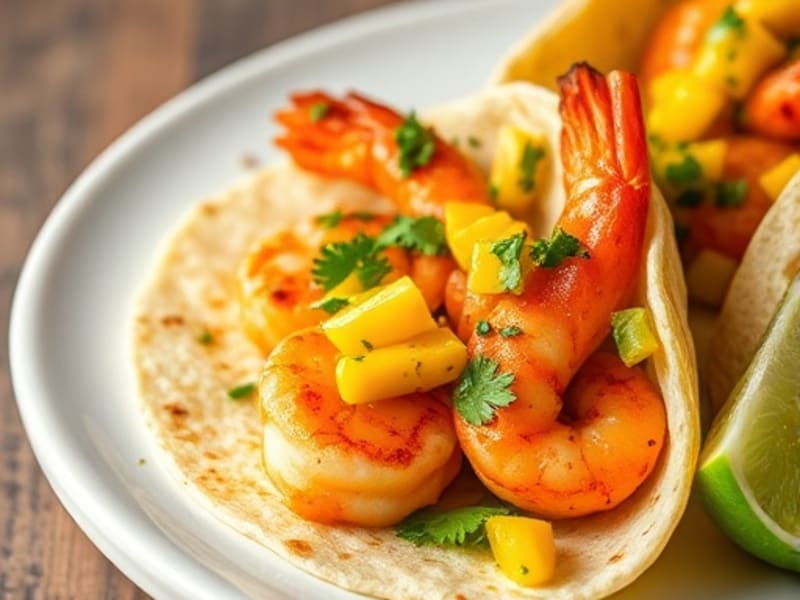
This fresh and chunky salsa requires no cooking. Simply chop tomatoes, onions, cilantro, and jalapeños. Toss with lime juice and salt. It’s excellent with tacos or as a topping for our Blackened Mahi Mahi with Mango Salsa. For the best flavor, use the freshest ingredients possible and let the pico de gallo sit for a few minutes before serving to allow the flavors to meld.
Salsa Verde
Made with tomatillos, jalapeños, and cilantro, salsa verde is perfect for spooning over Chicken Thigh enchiladas. Roast your tomatillos until soft, blend with the other ingredients, and season to taste. This salsa is particularly versatile, as it can be served warm or cold, and pairs beautifully with almost any protein or as a dip.
Salsa Roja
For a smoky, cooked salsa, try salsa roja. Roast tomatoes, onions, and chiles, blend until smooth, and simmer to deepen the flavors. Serve it with grilled meats or as a side to a Crispy Coconut Shrimp with Sweet Chili Sauce. The simmering process helps to concentrate the flavors, making it a robust addition to any dish.
Pairing Salsas with Dishes
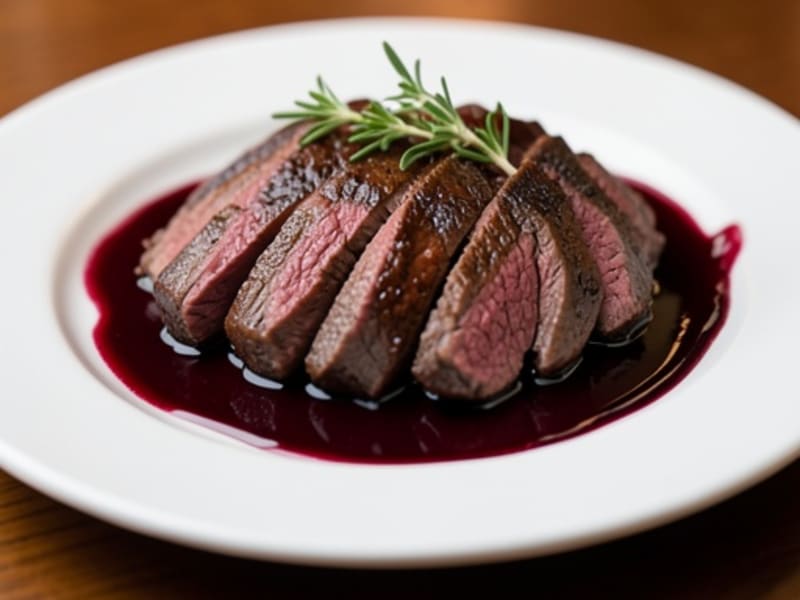
Salsas are incredibly versatile and can enhance a variety of dishes. Pair a spicy salsa roja with Seared Hanger Steak with Red Wine Shallot Sauce or drizzle salsa verde over crispy Chicken Wings. The acidity and freshness of salsas can cut through rich, fatty dishes, providing balance and brightness. For more on pairing flavors, check out our article on The Building Blocks of Real Italian Cooking: Ingredients and Techniques.
Expand Your Salsa Repertoire
Once you’re comfortable with these basics, explore variations by adding fruits like mango or pineapple for a sweet twist. These additions can create a delightful contrast with the heat of the chiles and the tanginess of the tomatillos. Check out resources like Serious Eats for deeper dives into salsa history and techniques. Don't be afraid to experiment with different herbs, chiles, and acids to create your unique salsa signature.
Embrace the vibrant world of Mexican salsas and let them transform your meals. Whether it's a quick weekday dinner or a festive gathering, salsas bring freshness and depth to any dish. Visit our recipes section to find more ways to incorporate these fantastic flavors into your cooking. With a little practice, you'll discover that the realm of salsas is as boundless as your culinary imagination.
Frequently Asked Questions
What is the difference between salsa verde and salsa roja?
Salsa verde is typically made with tomatillos, giving it a tangy and bright flavor, while salsa roja is made with roasted tomatoes, offering a smokier, deeper taste. Both utilize chiles and herbs, but their base ingredients set them apart.
How can I reduce the spiciness of a salsa?
To reduce the heat in a salsa, remove the seeds and veins from the chiles before using them. You can also add more tomatoes or tomatillos to balance the heat or incorporate a bit of sugar or agave syrup for sweetness.
How long can homemade salsa be stored?
Homemade salsa can generally be stored in an airtight container in the refrigerator for up to a week. For maximum freshness, keep it chilled and covered, and always use a clean spoon when serving.

Written by
Matthew Weitzman
Founder, Zestly
Matthew Weitzman is the founder of Zestly, on a mission to make everyday cooking easier and more joyful. A lifelong home cook, he writes about practical techniques, smart ingredient choices, and building confidence in the kitchen.
View all posts →