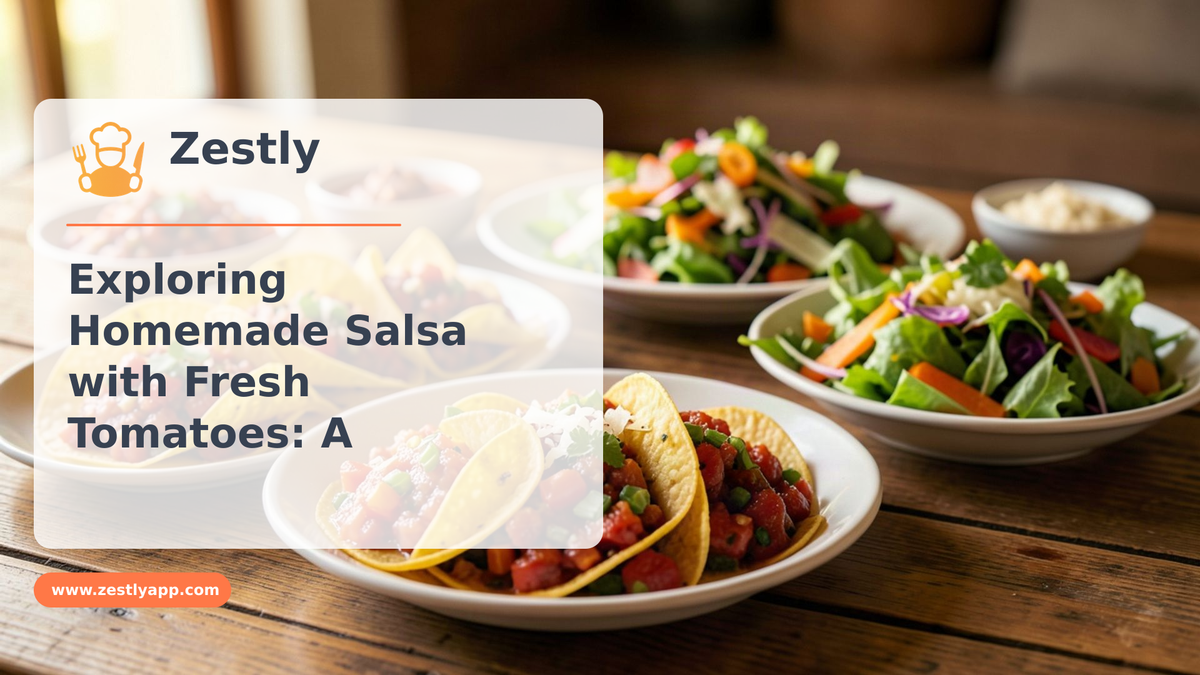
Exploring Homemade Salsa with Fresh Tomatoes: A Flavorful Guide
Fresh tomatoes, abundant and bursting with flavor, make the perfect base for a homemade salsa that can elevate any meal. Whether you're a beginner or a seasoned cook, incorporating salsa into your dishes can transform the ordinary into the extraordinary. The vibrant colors and tangy taste of salsa add a refreshing zing that can wake up any dish.
Breakfast Boosters
Starting your day with a vibrant breakfast sets the tone for a great day. Here are a few ideas on how to incorporate homemade salsa into your morning routine:
- Eggs and Salsa: Top your scrambled or poached eggs with fresh salsa for a zesty kick. The acidity of the tomatoes pairs wonderfully with creamy eggs, balancing the richness with a fresh, tangy note. Make sure your eggs are cooked to your liking—soft and creamy works best to contrast with the bright, slightly chunky salsa. A sprinkle of cheese or fresh herbs can add depth and complexity.
- Avocado Toast with Salsa: Spread ripe avocado on whole-grain toast and add a generous spoonful of salsa. This combination provides a delightful balance of creamy and tangy flavors. Choose a sturdy bread to hold up to the toppings, and consider adding a sprinkle of seeds or nuts for texture. The salsa cuts through the avocado's richness, making each bite vibrant and satisfying.
- Breakfast Burritos: Wrap scrambled eggs, chorizo, and salsa in a tortilla for a hearty start to your day. The salsa adds moisture and freshness, so be generous. Be mindful of the moisture content to prevent a soggy tortilla—drain excess liquid from the salsa before adding it to your burrito.
Lunch and Light Meals
Salsa isn't just for breakfast; it's a versatile addition to your midday meal, adding freshness and flavor.
- Taco Salad: Use salsa as a dressing for a taco salad featuring lettuce, grilled chicken, black beans, and shredded cheese. The salsa acts as both a dressing and a flavor booster, marrying all the components together. You can add a squeeze of lime for extra zing or diced avocado for creaminess.
- Quesadillas: For a quick lunch, try our 10-Minute Quesadillas That Eat Like a Real Dinner. Add salsa inside the quesadilla for added flavor. The heat from the cooking melts the cheese and slightly warms the salsa, enhancing its flavor and aroma.
- Mediterranean Stuffed Bell Peppers: Enhance this dish with a side of homemade salsa to brighten up the flavors. Check out our recipe here. The salsa provides a contrast to the savory filling, adding a layer of freshness and acidity that complements the peppers' sweetness.
Dinner Delights
Dinner is where salsa can truly shine, complementing a variety of proteins and bringing meals to life.
- Grilled Chicken or Beef: A simple grilled chicken breast or beef steak comes alive with a dollop of fresh salsa. The salsa adds moisture and a pop of color, enhancing the dish's presentation. Be sure to let the grilled meats rest before slicing to retain juices, and serve the salsa at room temperature to maximize its flavors.
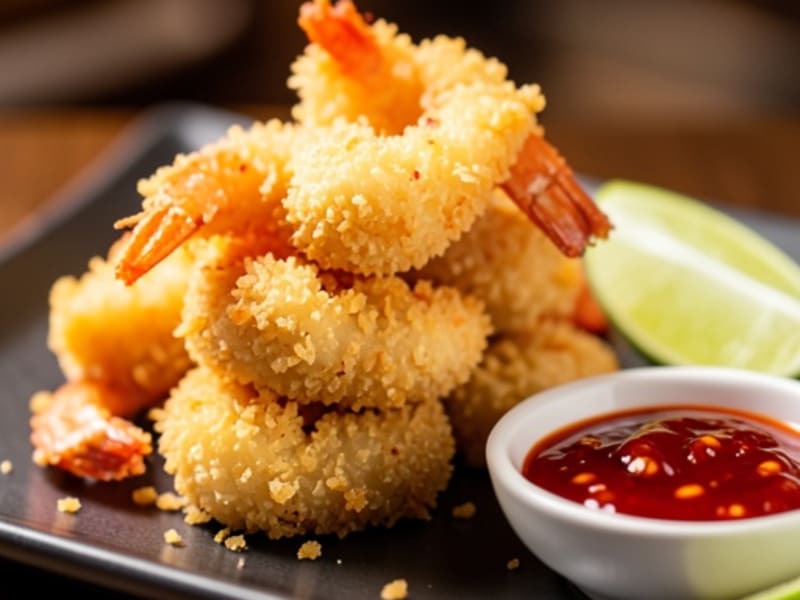
- Crispy Coconut Shrimp with Sweet Chili Sauce: While this dish is delicious on its own, a side of salsa can add a refreshing contrast. Explore the recipe here. The sweetness of the shrimp pairs beautifully with the tanginess of the salsa, creating a harmonious balance of flavors.
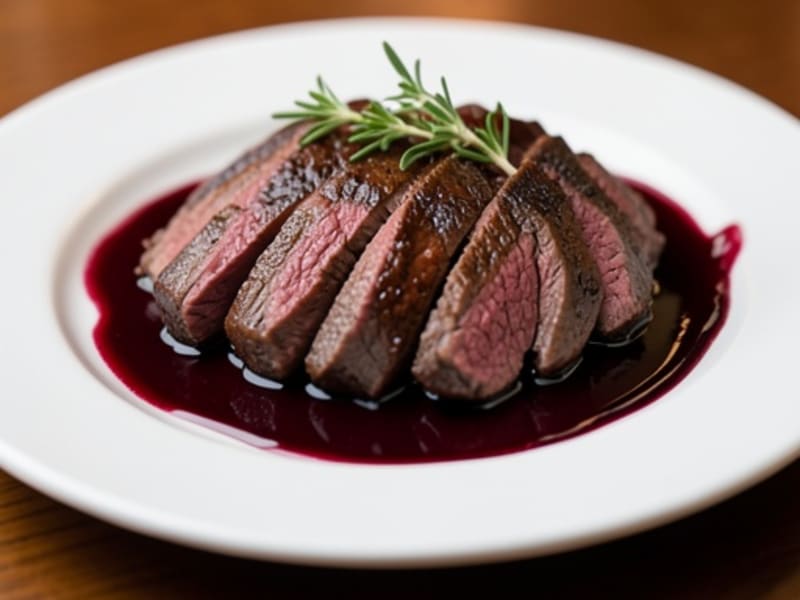
- Grilled Skirt Steak with Charred Salsa Roja: Take your salsa game up a notch with this rich, smoky version. Try our full recipe here. The charred notes in the salsa add depth and complexity, complementing the robust flavor of the steak.
Effortless Snacks and Appetizers
Salsa isn't just for meals; it's a fantastic snack option too. Here’s how you can enjoy it as a quick bite:
- Chips and Salsa: The classic duo never fails. Opt for homemade tortilla chips for that extra touch of freshness. To make your own, lightly coat cut tortillas with oil and bake until crisp. This ensures a perfect crunch that pairs well with the salsa's juiciness.
- Salsa and Hummus Platter: Mix salsa with hummus for a tangy, creamy dip perfect for vegetables or pita bread. The salsa adds a burst of flavor to the smooth hummus, creating a delightful contrast in textures and tastes.
- Salsa-Topped Crostini: Spread a little cream cheese on crostini and top with fresh salsa for a quick appetizer. The cream cheese adds a rich, velvety layer that balances the acidity of the salsa. Toast your crostini just right to prevent them from being too hard or too soft.
Tips for Making and Storing Salsa
Making salsa at home is straightforward. Start with ripe tomatoes, onions, cilantro, lime juice, and salt. Feel free to customize with jalapeños or bell peppers for added flavor. Using a food processor can save time, but chopping by hand gives you more control over the texture. Once prepared, store your salsa in an airtight container in the fridge for up to a week. If the salsa becomes watery, simply stir before serving to redistribute the juices. For a comprehensive guide to preserving flavors, see this USDA page.
Incorporating homemade salsa into your meals can enhance flavors and provide a nutritious boost. Whether you're adding it to breakfast, lunch, dinner, or snacks, salsa is a versatile and delicious addition. So grab some fresh tomatoes and start creating flavorful dishes. For more inspiration, dive into our Effortless Shrimp Tacos in 20 Minutes: A Weeknight Wonder.
FAQs
What type of tomatoes are best for making salsa? Roma tomatoes are ideal for salsa due to their low moisture content and meaty texture, which helps prevent the salsa from becoming too watery. However, any ripe, fresh tomatoes can be used to achieve great flavor. When selecting tomatoes, look for ones that are firm but give slightly under pressure, indicating they are ripe and flavorful.
Can I freeze homemade salsa? Yes, you can freeze homemade salsa. However, keep in mind that freezing may alter the texture, making it more watery. For best results, drain excess liquid after thawing. Consider freezing salsa in small, portion-sized containers to avoid repeated thawing and refreezing, which can further alter the texture.
How do I make my salsa spicier? To increase the heat level of your salsa, add more jalapeños or serrano peppers. Remove the seeds and membranes for a moderate spice level, or leave them in for extra heat. If you want to experiment, try adding a pinch of cayenne pepper or a few dashes of hot sauce for a different type of heat.
Is salsa healthy? Salsa is a healthy addition to the diet, low in calories and rich in vitamins A and C. It offers antioxidants from tomatoes and peppers, making it a nutritious choice. The fresh ingredients used in salsa can support heart health and provide a burst of flavor without added sugars or fats.
Frequently Asked Questions
What type of tomatoes are best for making salsa?
Roma tomatoes are ideal for salsa due to their low moisture content and meaty texture, which helps prevent the salsa from becoming too watery. However, any ripe, fresh tomatoes can be used to achieve great flavor.
Can I freeze homemade salsa?
Yes, you can freeze homemade salsa. However, keep in mind that freezing may alter the texture, making it more watery. For best results, drain excess liquid after thawing.
How do I make my salsa spicier?
To increase the heat level of your salsa, add more jalapeños or serrano peppers. Remove the seeds and membranes for a moderate spice level, or leave them in for extra heat.
Is salsa healthy?
Salsa is a healthy addition to the diet, low in calories and rich in vitamins A and C. It offers antioxidants from tomatoes and peppers, making it a nutritious choice.

Written by
Matthew Weitzman
Founder, Zestly
Matthew Weitzman is the founder of Zestly, on a mission to make everyday cooking easier and more joyful. A lifelong home cook, he writes about practical techniques, smart ingredient choices, and building confidence in the kitchen.
View all posts →