Apple cider vinegar, often just called ACV, is one of those staples that's both common in the kitchen and whispered about in health circles. If you've ever wondered about this pungent potion, well, there's quite a lot going on with it. It starts its life journey from apples, pretty innocuous, right? But then it morphs through a fermentation process where yeast turns sugar into alcohol. Sounds like making booze, doesn't it? Next up are bacteria (the scientific term is Acetobacter) that transform that alcohol into acetic acid. And there you have it, the tart concoction we all know.
Now, let's time travel a bit: Ancient Babylonians were playing around with fermenting stuff as early as 5000 BC! Hippocrates himself was apparently a fan, using ACV mixed with honey to tackle ailments back in the day. That's right, this isn't some fly-by-night health fad. It's been considered useful for millennia, a testament to its long-lasting reputation as both food staple and supposed cure-all.
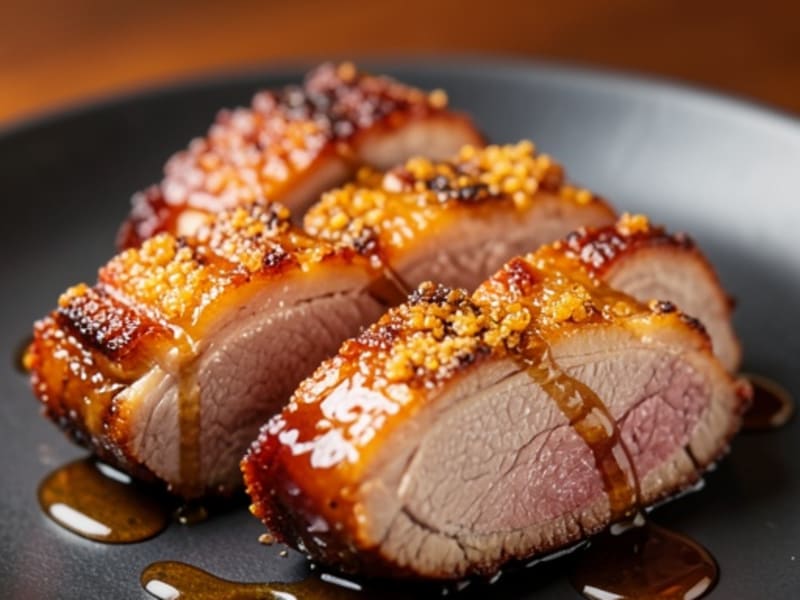
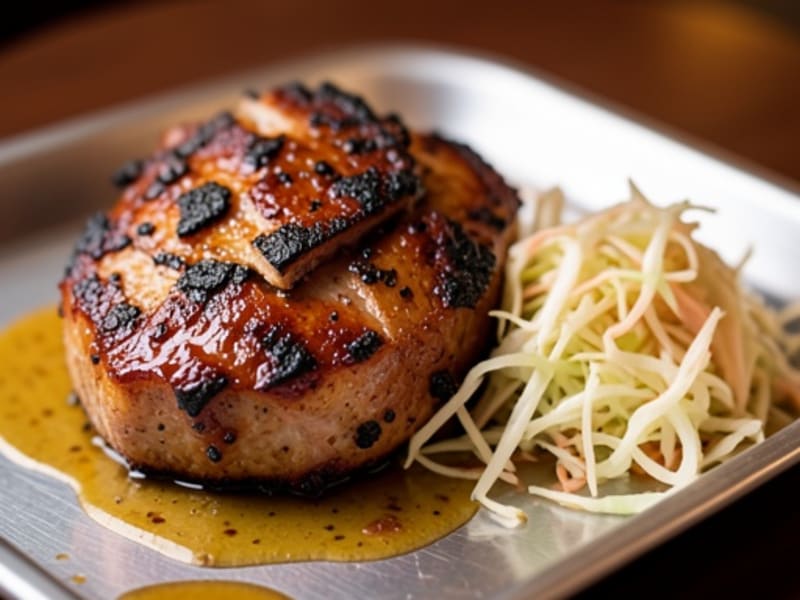
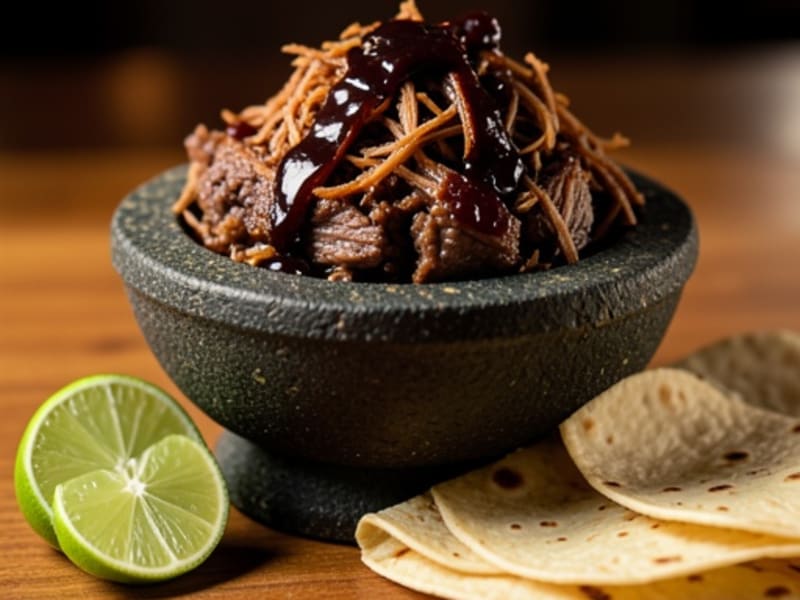
In the kitchen, ACV is like that reliable friend who can always surprise you. It adds a spark to salad dressings, balancing flavors and cutting through richness, and also spices up marinades for meats, leaving them juicy and flavorful. Ever think about how pickles get their tang? You got it, apple cider vinegar at work again! You might even find it sneaking into cakes and muffins to give them that perfect fluffy texture by working with baking soda.
Outside the culinary world? People praise ACV for what they say are many potential benefits, especially if you go for the unfiltered kind containing "the mother." This is the weirdly appealing cloudy gunk floating around your bottle (don't worry). It's made up of beneficial bacteria and enzymes and thought to help with digestion, balance blood sugar levels, maybe even ward off germs. Do take these claims with a pinch of skepticism as science digs deeper, but there’s definitely something intriguing there.
When you're browsing shelves or websites looking for some ACV of your own? Go organic or unfiltered whenever possible. Check that label says "with the mother" to maximize those benefits you've heard whispers about. And once you bring that trusty bottle home, store it someplace cool and dim, you know how picky vinegars can be, and don't forget to seal tightly so none of that zingy magic escapes!
Here's another fun tidbit before I wrap up: other terms like acetic acid and fermentation are key players here too, and knowing about them gives us more insight into why this humble vinegar's reach spans far beyond mere culinary boundaries.