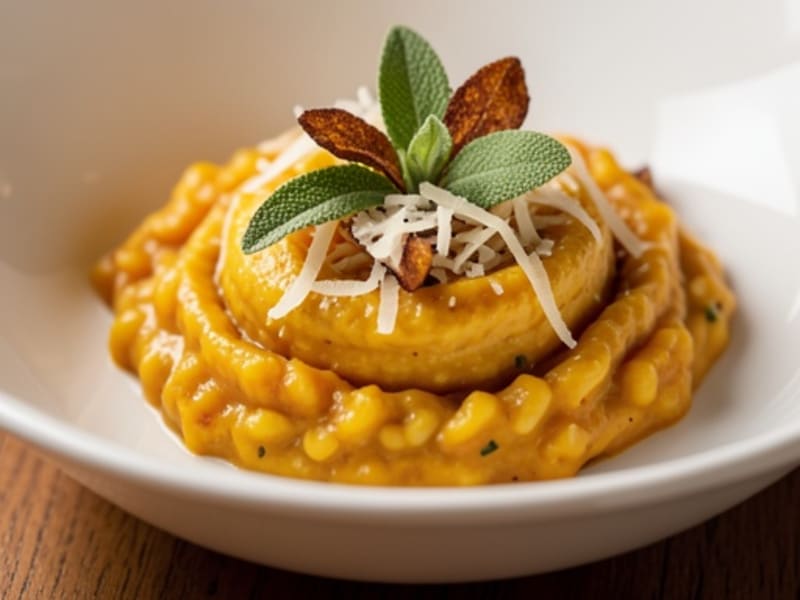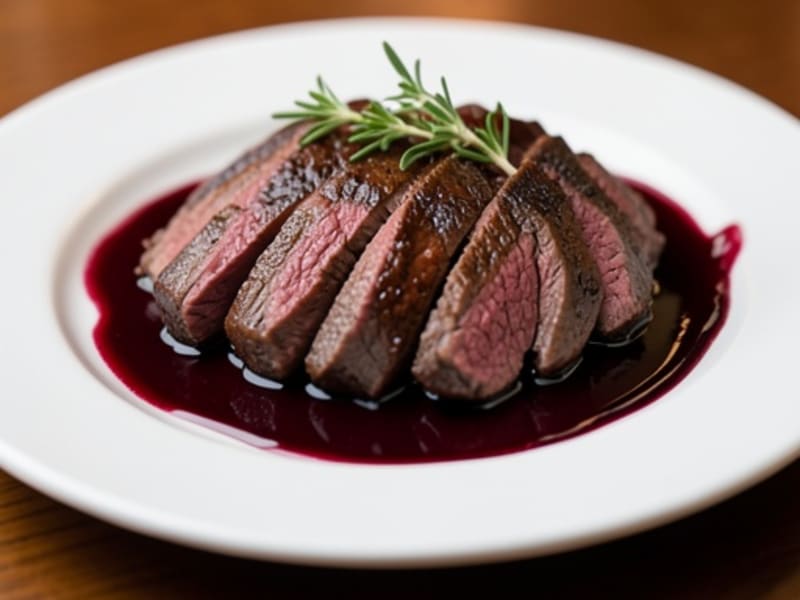
The Building Blocks of Real Italian Cooking: Ingredients and Techniques
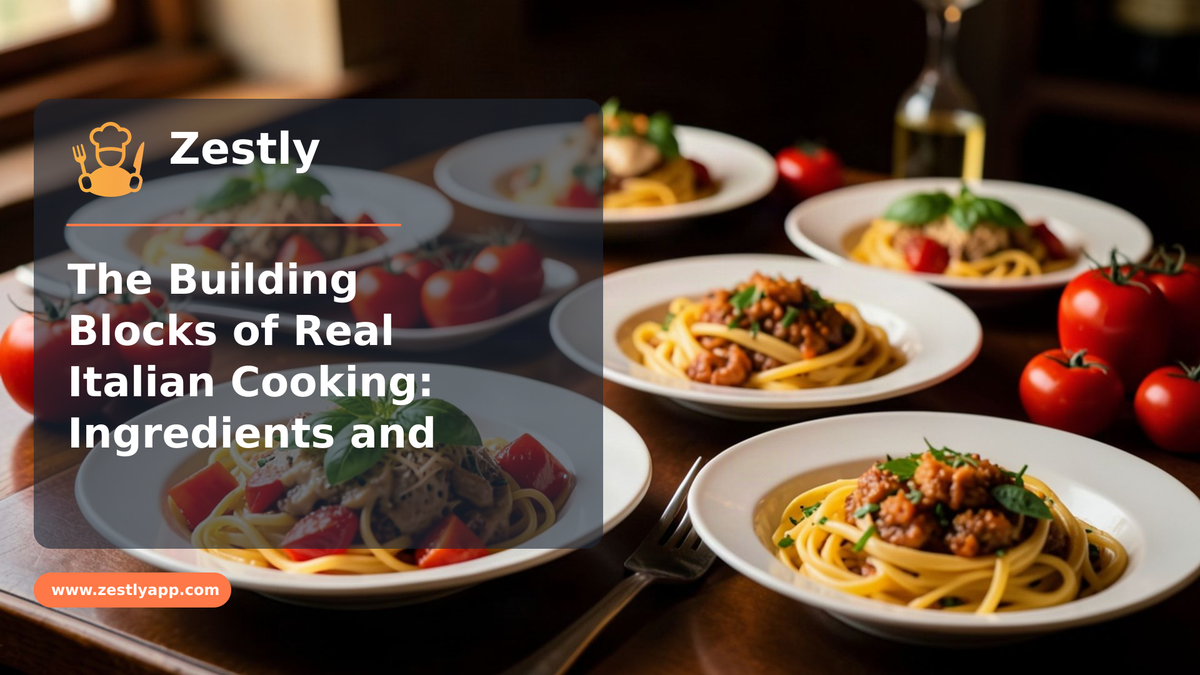
Italian cuisine is renowned for its simplicity and depth of flavor. Rooted in tradition and freshness, it relies on a few key ingredients and techniques that transform everyday meals into something special. Let's explore the foundational elements of real Italian cooking and discover how we can bring these flavors into our kitchens.
Essential Ingredients of Italian Cooking
The essence of Italian cuisine lies in its quality ingredients. While regional variations exist, a few staples are universal:
- Olive Oil: The cornerstone of Italian cooking, used for sautéing, dressing, and drizzling. The quality of olive oil can significantly impact a dish; look for extra virgin olive oil with a peppery finish for its robust flavor and health benefits.
- Garlic: Adds depth and aroma, often sautéed in olive oil as a flavor base. The key is to avoid burning it, which can impart a bitter taste. Instead, gently sauté until it is golden and fragrant.
- Tomatoes: Fresh, canned, or as a sauce, they are central to many dishes, adding acidity and sweetness. San Marzano tomatoes are prized for their balance of sweetness and acidity, making them ideal for sauces.
- Fresh Herbs: Basil, parsley, and rosemary are used to enhance flavor. Basil is often added at the end of cooking to preserve its delicate aroma, while rosemary can withstand longer cooking times, perfect for roasts.
- Cheese: Parmesan, mozzarella, and pecorino are frequently grated over pasta or melted into dishes. Authentic Parmigiano-Reggiano offers a nutty, savory punch, while mozzarella's mild creaminess shines in dishes like caprese salad.
These ingredients are not just about flavor but about celebrating freshness and quality. Each plays a pivotal role in building authentic Italian flavors, emphasizing the importance of sourcing the best you can find.
Signature Techniques
Italian cooking techniques are straightforward but require respect for the ingredients. Here are three core methods:
- Sautéing: Often starts with a bit of olive oil and garlic, serving as a base for sauces and soups. The trick is to heat the oil slowly, allowing the garlic to infuse its essence without burning. This technique is fundamental in creating a flavorful base for many Italian dishes.
- Simmering: Slow cooking sauces like sugo or ragù allows flavors to meld beautifully over time. The low-and-slow method ensures that the ingredients break down and intensify in flavor. For instance, our Italian Beef Meatballs in Slow-Simmered Sugo are a must-try, showcasing how simmering brings depth and richness.
- Pasta Making: Making fresh pasta is an art, requiring just All-Purpose Flour and eggs. Kneading the dough until it's smooth and elastic is crucial, as is allowing it to rest. This process develops gluten, which gives the pasta its structure and bite.
Mastering these techniques enhances your ability to create authentic Italian dishes, allowing the flavors of your ingredients to shine through.
Approachable Dishes to Try at Home
Ready to bring Italy into your kitchen? Here are a few simple dishes to start with:
1. Caprese Salad
A refreshing mix of sliced fresh mozzarella, tomatoes, and basil, drizzled with olive oil and a pinch of salt. Perfect as a starter or light meal. Use ripe, in-season tomatoes for the best flavor, and never refrigerate them, as this dulls their taste. A sprinkle of sea salt just before serving can bring out the sweetness of the tomatoes.
2. Cacio e Pepe
This Roman classic relies on just three ingredients: pasta, pecorino cheese, and black pepper. It’s a testament to simplicity and balance. The secret lies in creating a creamy sauce by emulsifying pasta water with grated cheese and black pepper, coating the pasta perfectly.
3. Spinach and Ricotta Stuffed Shells
For something heartier, try making Spinach and Ricotta Stuffed Shells. The rich ricotta filling and marinara sauce make for a comforting dish that’s surprisingly easy to prepare. Blanching the spinach before mixing with ricotta ensures a bright green color and soft texture.
For more inspired pasta ideas, head over to our article on 10 Easy Vegetarian Pasta Recipes Ready in 30 Minutes or Less.
The Italian Meal Experience
Meals in Italy are about more than just food—they're about bringing people together. Typically, meals are structured in courses: antipasto (starter), primo (first course, usually pasta), secondo (main course, often meat or fish), and dolce (dessert). This format encourages savoring each dish, fostering a deeper appreciation for the flavors and company. The ritual of dining is highly valued, with meals often lasting for hours, providing time to enjoy each course and converse.
Bringing It All Together
Understanding the building blocks of Italian cooking empowers us to create authentic dishes with confidence. By focusing on fresh, high-quality ingredients and learning foundational techniques, we can enjoy the rich culinary heritage of Italy right at home. For those keen on exploring further, consider trying our Grilled Porterhouse T-Bone Fiorentina for a taste of Tuscan grilling.
For additional reading on perfecting techniques, explore resources like this guide from Serious Eats on Italian cooking.
Ready to dive into real Italian cooking? Start with one of our recipes or explore our other articles for more culinary inspiration. Embrace the Italian spirit in your kitchen, and remember: Buon appetito!
Frequently Asked Questions
What are the most important ingredients in Italian cooking?
Key ingredients in Italian cooking include olive oil, garlic, tomatoes, fresh herbs like basil and parsley, and cheeses such as Parmesan and mozzarella. These staples form the basis for many traditional dishes, emphasizing quality and freshness.
What is the secret to authentic Italian pasta?
The secret to authentic Italian pasta lies in using fresh, high-quality ingredients and cooking the pasta 'al dente,' or firm to the bite. Simple sauces using olive oil, garlic, and fresh tomatoes often highlight the pasta's natural flavors.
How can I make Italian food healthier?
To make Italian food healthier, focus on using whole grain pasta, reduce cheese portions, and incorporate plenty of fresh vegetables. Using olive oil in moderation and opting for lean proteins like chicken or fish can also enhance nutrition.

Written by
Matthew Weitzman
Founder, Zestly
Matthew Weitzman is the founder of Zestly, on a mission to make everyday cooking easier and more joyful. A lifelong home cook, he writes about practical techniques, smart ingredient choices, and building confidence in the kitchen.
View all posts →