10 Easy Ways to Roast Vegetables Without Oil for Healthier Meals
Roasting vegetables without oil is not only possible; it's deliciously easy and healthy. Whether you're avoiding oil for dietary reasons or simply looking to try something new, there are countless ways to enjoy the natural flavors of your favorite vegetables. Let's dive into ten tried-and-true methods for oil-free roasting.
1. Use Parchment Paper or Silicone Mats
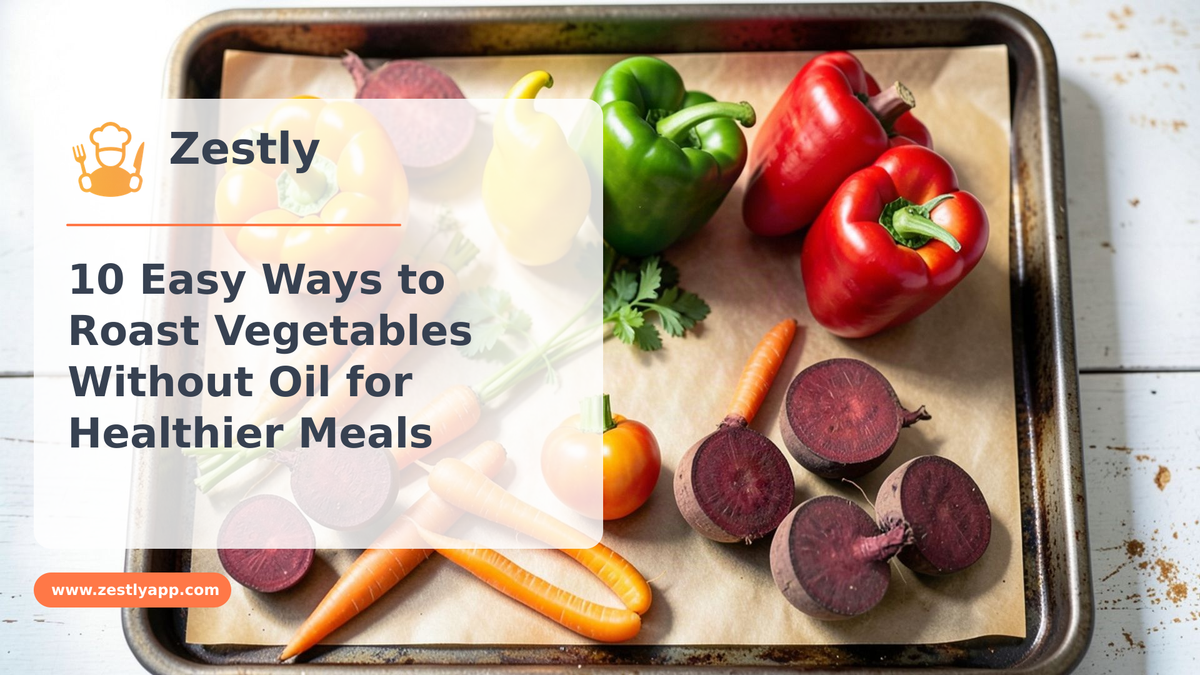
Parchment paper and silicone baking mats prevent vegetables from sticking and promote even cooking. Simply lay your veggies on the lined baking sheet and roast as usual. These tools create a protective layer that helps lock in moisture, ensuring your vegetables turn out tender and nicely browned.
2. Opt for High Heat
Roasting at a higher temperature, around 425°F (220°C), encourages vegetables to caramelize and crisp up without needing oil. This method works wonders for naturally sweet vegetables like beets and bell peppers. The key is to spread them out in a single layer, giving each piece enough space to roast rather than steam.
3. Season Generously
Without oil, seasoning becomes even more crucial. Use a mix of herbs and spices to elevate the natural flavors of the vegetables. Experiment with combinations like garlic powder, smoked paprika, or even exotic blends like Advieh to add depth and interest.
4. Try a Vinegar Splash
A splash of apple cider vinegar before roasting adds tanginess and can help draw out natural sugars, leading to a beautifully caramelized finish. Vinegar's acidity can also enhance the overall flavor, making vegetables like cabbage and brussels sprouts irresistibly tasty.
5. Use Broth or Juice
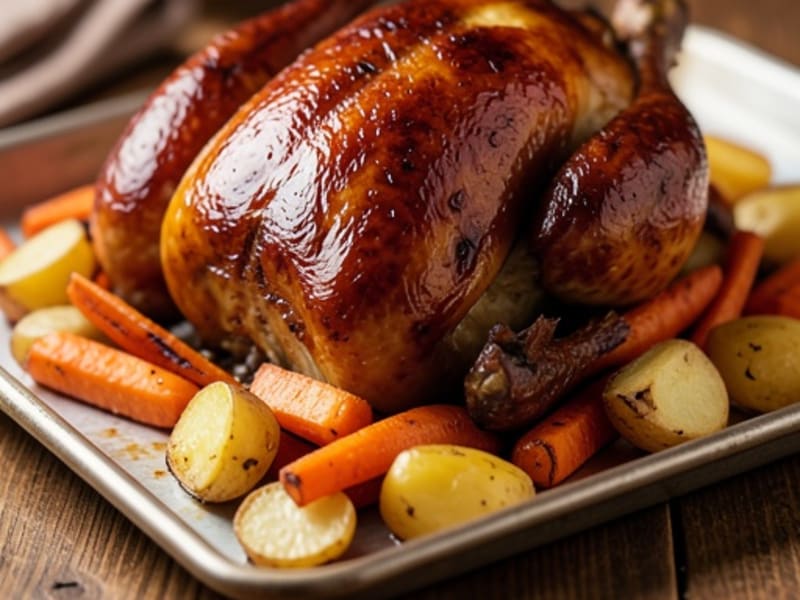
Adding a small amount of vegetable broth or citrus juice can keep vegetables moist while adding an extra layer of flavor. The liquid evaporates during roasting, concentrating the flavors without a drop of oil. This technique works especially well with denser vegetables like carrots and potatoes.
6. Embrace Marinades
Oil-free marinades are fantastic for infusing vegetables with flavor. Mix ingredients like soy sauce, balsamic vinegar, and spices, and let your veggies soak for at least 30 minutes before roasting. This method is perfect for dishes where you want a robust flavor profile.
7. Steaming Pre-Roast
Steaming vegetables before roasting can ensure they're tender on the inside and crisp on the outside. Steam for a few minutes until they start to soften, then roast at high heat for a crunchy finish. This method reduces roasting time and enhances textures.
8. Roast with Other Moisture-Rich Foods
Pairing vegetables with moisture-rich foods like tomatoes or fruits can naturally add moisture and prevent them from drying out. As they cook, the juices from these foods will help baste the vegetables, adding flavor and preventing sticking.
9. Utilize Convection Ovens
Convection ovens circulate hot air evenly, helping vegetables cook through without needing oil. This method is excellent for achieving a uniformly crispy texture, especially with vegetables that tend to stick. Just remember to adjust the temperature setting as convection cooking can be more intense.
10. Experiment with Cooking Times
Different vegetables have different cooking times, so it's essential to stagger them on the baking sheet. Start with the longer-cooking veggies like potatoes and carrots, then add quicker-cooking ones later. This ensures everything is perfectly roasted together.
Embracing oil-free roasting not only cuts down on calories but also allows the true flavors of your vegetables to shine. For more ideas, try pairing your roasted veggies with dishes like our Mediterranean Stuffed Bell Peppers for a complete meal.
For more inspiration, check out our article on seasoning food without salt for additional flavor-boosting techniques, and get creative with different combinations!
Conclusion
Roasting vegetables without oil opens up a new world of culinary possibilities. By experimenting with these techniques, you can enjoy tasty, healthy meals without sacrificing flavor. So, roll up your sleeves and start roasting your way to deliciousness!
#### FAQs
How can I prevent vegetables from sticking without oil? Use parchment paper or silicone baking mats to prevent sticking. These options create a barrier between the vegetables and the baking sheet, ensuring a smooth and easy roast.
What temperature should I use to roast vegetables without oil? Roasting at a higher temperature, around 425°F (220°C), helps vegetables caramelize and crisp up without oil. Ensure they are spread out evenly on the baking sheet to avoid steaming.
Can I use water instead of oil when roasting vegetables? Yes, you can use a small amount of vegetable broth or water to keep vegetables moist during roasting. These liquids will evaporate, enhancing the natural flavors without adding oil.
What are some flavor combinations for oil-free roasted vegetables? Experiment with spices and herbs like garlic powder, smoked paprika, and blends like Advieh. Additionally, using vinegar or citrus juice can enhance flavors and add a tangy kick to your roasted veggies.

Written by
Matthew Weitzman
Founder, Zestly
Matthew Weitzman is the founder of Zestly, on a mission to make everyday cooking easier and more joyful. A lifelong home cook, he writes about practical techniques, smart ingredient choices, and building confidence in the kitchen.
View all posts →