How to Season Food Without Salt: 5 Flavor-Boosting Techniques
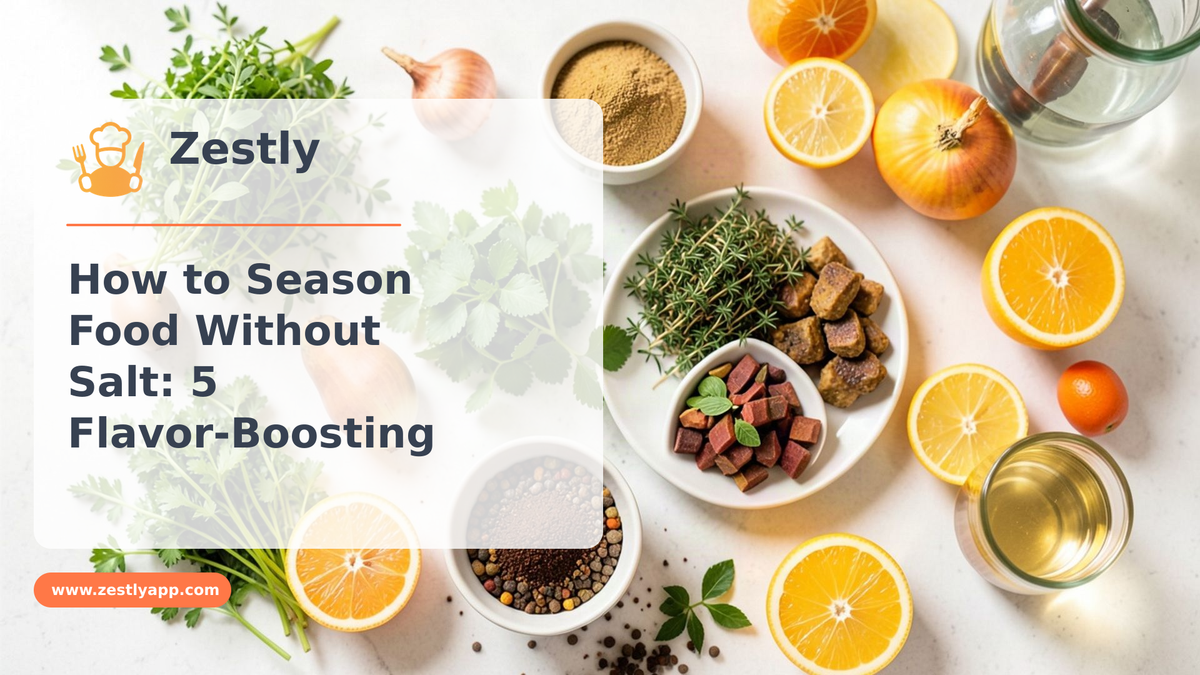
If you're looking to reduce your sodium intake or just want to experiment with new flavors, seasoning food without salt is an exciting culinary journey. Luckily, there are plenty of ways to enhance your dishes without reaching for the salt shaker. Let's explore five creative techniques to season your meals without salt.
1. Fresh Herbs and Aromatics
Nothing brightens up a dish quite like fresh herbs. Whether it's the peppery kick of basil or the earthy aroma of thyme, herbs add a depth of flavor that's incomparable. Fresh herbs not only introduce vibrant tastes but also bring a burst of color and freshness to your plate. Try combining fresh herbs with aromatics like garlic and onion to create a robust base for your dishes. Aromatics act as the flavor foundation, releasing their oils when sautéed, which permeates the dish with an irresistible aroma. Adding herbs like rosemary or oregano to your roasted Brussels Sprouts can transform them into a savory delight. The key is to add delicate herbs like basil or parsley towards the end of cooking to preserve their flavor, while sturdier herbs like rosemary can be added earlier to infuse their essence.
Quick Tips:
- Mix herbs like cilantro and mint with lime juice for a refreshing salsa.
- Infuse oils with thyme or rosemary for a quick drizzle over soups.
- Use a combination of fresh and dried herbs to build complexity.
2. Spices and Spice Blends
Spices are a powerful tool in the salt-free seasoning arsenal. From the smoky heat of Adobo Seasoning to the warm complexity of Allspice, spices can add layers of flavor to any dish. Each spice offers a unique profile, from the heat of cayenne to the sweetness of cinnamon. For a vibrant twist, try making your own spice blends or exploring international blends like Advieh that can spice up your meals with minimal effort. Blends like garam masala or za'atar can elevate simple ingredients into something extraordinary. When using spices, toasting them briefly in a dry skillet can unlock their essential oils, intensifying their flavor.
Common Pitfalls:
- Avoid using too many new spices at once, as it can overwhelm the palate.
- Store spices in a cool, dark place to maintain their potency.
3. Acidic Ingredients
Adding a splash of acidity can make flavors pop. Ingredients like lemon juice, lime, and Apple Cider Vinegar can brighten a dish and enhance its natural flavors. Acidity cuts through richness and balances out flavors, making it essential in salt-free cooking. A squeeze of lemon over grilled fish or a dash of vinegar in a salad dressing can provide the zing that salt usually offers. Acidic ingredients can also act as tenderizers, breaking down proteins in meats and making them more succulent.
Sensory Cues:
- A dish lacking brightness may need a touch of acidity.
- Taste your dish before serving and adjust with acid to enhance flavor.
4. Umami Powerhouses
Umami, often described as the fifth taste, is a savory flavor that can mimic the richness of salt. Ingredients like mushrooms, tomatoes, and aged cheeses are excellent umami sources. Umami adds a satisfying depth that rounds out flavors, making it indispensable in salt-free cooking. Incorporating umami-rich foods like Aged Cheddar into your dishes can deliver that satisfying depth of flavor. For instance, sautéing mushrooms can release their umami essence, enriching the overall dish. Consider trying our Creamy Tuscan White Bean Skillet for an umami-packed meal that leaves salt behind without sacrificing taste.
Quick Tips:
- Use soy sauce alternatives like coconut aminos for a reduced-sodium umami boost.
- Sun-dried tomatoes can provide intense umami in pasta dishes.
5. Savory Cooking Techniques
Certain cooking methods can enhance the natural flavors of ingredients, reducing the need for salt. Techniques like roasting, grilling, and caramelizing bring out the sweetness and complexity of foods. These methods concentrate flavors, creating a natural savory profile. For example, roasting Bell Peppers intensifies their natural sugars, making them a delicious addition to any dish. Techniques like slow cooking can also deepen flavors, allowing natural sweetness and savory notes to develop over time. If you're curious about perfecting your roasting skills, check out our guide on how to roast vegetables in the oven.
Common Pitfalls:
- Avoid overcrowding the pan when roasting to ensure even caramelization.
- Watch for burning, as it can introduce bitterness.
With these flavor-boosting techniques in your culinary toolkit, you'll be able to create delicious meals that don't rely on salt. Whether you're mixing up a new spice blend or experimenting with umami-rich ingredients, there's a whole world of flavors waiting to be explored. Looking for more inspiration? Try your hand at the Mediterranean Stuffed Bell Peppers for a salt-free but flavor-packed dish.
Remember, the kitchen is your playground. Don't be afraid to experiment with these techniques and discover new taste combinations. Dive into our recipes and let your taste buds guide you on your next culinary adventure!
Frequently Asked Questions
What are some good salt alternatives for seasoning food?
Great salt alternatives include fresh herbs, spices, citrus juices, and umami-rich ingredients like mushrooms and aged cheese. These options can enhance flavor without the need for added salt.
How can I enhance the flavor of food without using salt?
Enhance flavors by using fresh herbs, spices, acidic ingredients like lemon juice or vinegar, and umami-rich foods. Cooking techniques like roasting and grilling can also intensify natural flavors.
What is umami and how can it be used as a salt substitute?
Umami is a savory taste that adds depth to dishes. Foods like tomatoes, mushrooms, and aged cheeses are rich in umami, providing a satisfying flavor that can reduce the need for salt.

Written by
Matthew Weitzman
Founder, Zestly
Matthew Weitzman is the founder of Zestly, on a mission to make everyday cooking easier and more joyful. A lifelong home cook, he writes about practical techniques, smart ingredient choices, and building confidence in the kitchen.
View all posts →