Seafood Gumbo with Okra: Mastering This Southern Staple
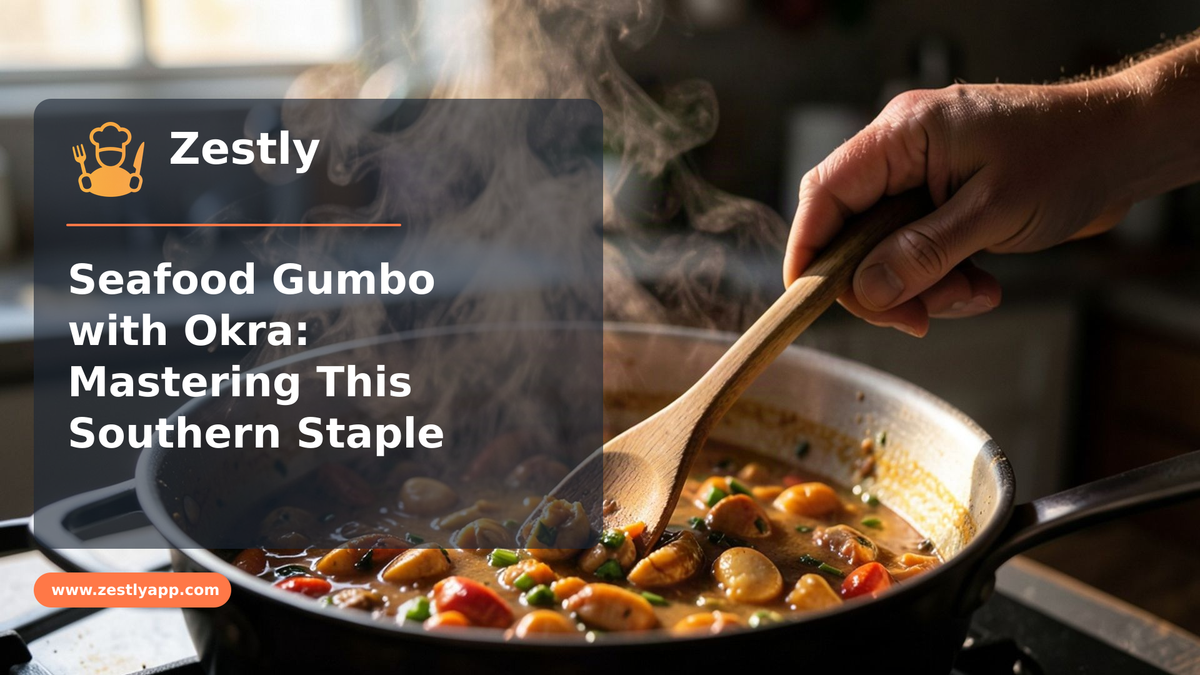
There’s something deeply comforting about a steaming bowl of seafood gumbo, rich with the flavors of the South. The interplay between the sea’s bounty and the earthy notes of okra creates a dish that's both hearty and complex. Let’s explore how to master this iconic dish, ensuring each spoonful is as vibrant and satisfying as the last.
Understanding the Foundations
Seafood gumbo is all about balance and depth of flavor, with each component playing a crucial role. A classic gumbo begins with a roux—a blend of all-purpose flour and fat cooked until it’s a deep brown. This is the backbone of your dish, providing a thick, luscious base that binds everything together. Roux-making requires patience, but it’s undoubtedly worth the effort. The color of the roux is critical, as it dictates the final taste of your gumbo. A lighter roux might taste more floury, while a dark roux brings a nutty, rich flavor.
The Role of Roux
Creating a proper roux is a skill that rewards practice and attention. The process is transformative, as the mixture goes from pale and raw to a rich, aromatic brown. The key is to keep the heat moderate and remain vigilant—roux can go from perfect to burnt in moments. Use a heavy-bottomed pot to ensure even heat distribution and stir with a wooden spoon or silicone spatula to prevent sticking.
Step-by-Step Guide to Making Seafood Gumbo with Okra
Let’s break down the process into manageable steps:
- Prepare the Roux: Start by heating equal parts of oil and all-purpose flour in a heavy-bottomed pot over medium-low heat. Stir constantly until it turns a rich chocolate brown. This can take about 30-45 minutes, so patience is key. The aroma will shift from raw flour to a toasted, nutty scent, signaling it's ready.
- Sauté Vegetables: Add diced onions, bell peppers, and celery to the roux. This aromatic trio, known as the “Holy Trinity,” forms the aromatic base of the gumbo. Cook until the vegetables are softened, around 10 minutes. The onions should become translucent, and the peppers and celery tender, enhancing the roux's complexity.
- Add the Stock: Slowly whisk in seafood stock, ensuring no lumps form. Bring the mixture to a simmer. The stock should be warm when added to prevent the roux from seizing. This creates a smooth, velvety texture.
- Incorporate Okra and Tomatoes: Stir in sliced okra and canned tomatoes. The okra will help thicken the gumbo while adding a subtle earthiness. The tomatoes contribute acidity, balancing the richness of the dish.
- Introduce Seafood: Add a mix of shrimp, crabmeat, and any other seafood you prefer. Allow it to simmer gently until the seafood is cooked through. The seafood will impart a sweet, briny flavor to the gumbo.
- Season and Finish: Season with salt, pepper, and a dash of your favorite hot sauce. Adjust flavors to taste and let it rest for a few minutes before serving. Resting allows the flavors to meld together beautifully.
Common Mistakes and How to Avoid Them
- Rushing the Roux: The roux should be cooked slowly. High heat will burn it, resulting in a bitter taste. Keep the heat low and stir continuously. A burnt roux will ruin the dish, requiring you to start over.
- Overcooking the Seafood: Seafood cooks quickly. Add it towards the end to prevent it from becoming tough. Check the shrimp for a firm texture and opaque color as a doneness indicator.
- Skipping Okra: Okra not only thickens the gumbo but also imparts a unique flavor. If you’re not a fan, consider using a minimal amount or substitute with filé powder after cooking. Filé powder adds thickness and a distinct herbal note.
Knowing When Your Gumbo is Done
Your gumbo is ready when the flavors have melded together into a harmonious blend, the seafood is tender, and the okra has softened sufficiently but still holds its shape. The consistency should be thick but pourable, like a hearty stew. A good gumbo is well-seasoned with a balanced flavor profile that’s slightly spicy, deeply savory, with a hint of sweetness from the seafood. Taste for seasoning as you go, adjusting to your preference for heat and salt.
Embracing Variations
While traditionalists might stick to classic ingredients, feel free to experiment with additions like chorizo or even lobster for a luxurious touch. The key is to maintain the balance of flavors. Adding sausage can lend a smoky note, while lobster elevates the dish with its delicate sweetness.
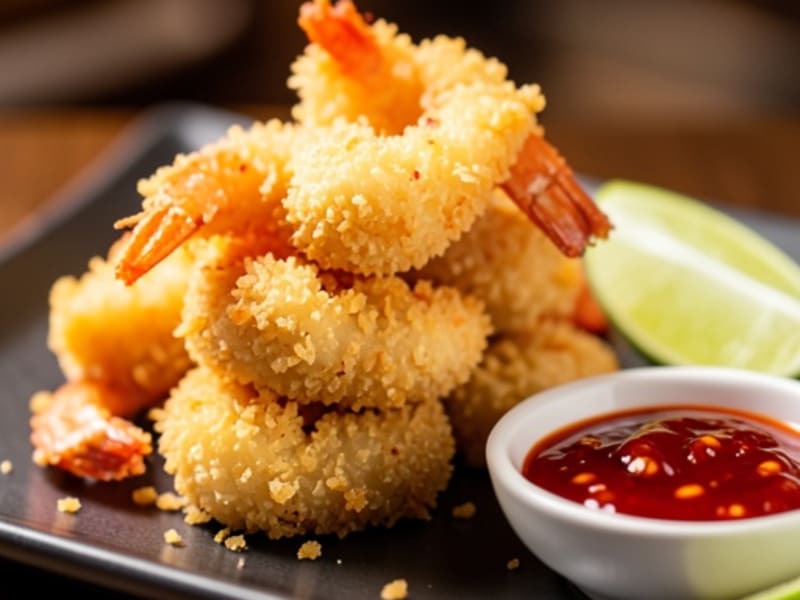
For those interested in expanding their culinary repertoire, consider trying our Crispy Coconut Shrimp with Sweet Chili Sauce as a delightful seafood alternative. It offers a contrasting texture and flavor profile that’s both crispy and sweetly spicy.
Additional Resources
For more on seafood preparation, check out our article on Tuna Casserole with Rice. And if you're exploring more about Southern cuisine, here’s a guide on How to Properly Sear a Steak. These resources provide a deeper dive into techniques that enhance your cooking skills.
For further reading on the science behind thickening agents like okra, visit Serious Eats. Understanding the properties of your ingredients can empower your cooking, leading to better results and creativity in the kitchen.
Closing Thoughts
Creating a perfect pot of seafood gumbo with okra is a journey through Southern culinary tradition. With patience and the right technique, you’ll find every bite as rewarding as the process itself. Dive into the rich world of flavors Zestly offers, and let’s get cooking together! From the first sizzle of the roux to the final simmer, each step is an opportunity to infuse love and care into your meal. Enjoy the process and the delicious rewards it brings.
Frequently Asked Questions
What is the purpose of okra in gumbo?
Okra serves a dual purpose in gumbo: it acts as a natural thickener and adds a unique earthy flavor. Its mucilaginous texture helps to create a rich, stew-like consistency, essential for authentic gumbo.
Can I make gumbo without seafood?
Yes, you can make gumbo without seafood. Chicken and sausage gumbo is a popular variation that uses [chicken thighs](/glossary/chicken-thigh) and [chorizo](/glossary/chorizo) for a hearty, flavorful dish.
How do I store leftover gumbo?
Store leftover gumbo in an airtight container in the refrigerator for up to 3 days. For longer storage, freeze it for up to 3 months. Reheat gently on the stove over low heat to maintain its flavor and texture.
Is it necessary to use a dark roux for gumbo?
A dark roux is traditional for gumbo, as it provides depth of flavor and a rich color. However, you can use a lighter roux if you prefer a milder taste, though it may slightly alter the overall flavor profile.

Written by
Matthew Weitzman
Founder, Zestly
Matthew Weitzman is the founder of Zestly, on a mission to make everyday cooking easier and more joyful. A lifelong home cook, he writes about practical techniques, smart ingredient choices, and building confidence in the kitchen.
View all posts →