How to Properly Sear a Steak (The 3 Mistakes Everyone Makes)
Nothing beats the sizzle and aroma of a perfectly seared steak. But achieving that elusive, mouth-watering crust can feel like a high-wire act. Let’s delve into the art of searing steak and explore the common pitfalls that can trip up even seasoned cooks.
The Science of Searing
Searing is all about developing flavor through the Maillard reaction, a chemical process that occurs when proteins and sugars in meat are exposed to high heat. This reaction creates the rich, complex flavors and enticing aromas we associate with a well-cooked steak. Beef steak is a prime candidate for this technique, thanks to its well-marbled fat that encourages a delicious caramelized crust. The Maillard reaction doesn’t just impact flavor; it adds texture, creating that sought-after crust that seals in juices, making each bite succulent.
Understanding the science behind the sear can enhance your technique. The reaction begins at around 285°F, but to achieve optimal searing, the surface temperature needs to be even higher. This is why a hot pan is essential. As the steak sears, it develops new flavor compounds, which is why a seared steak smells so tantalizingly delicious. The goal is to balance the heat and time to avoid burning while still achieving a rich, brown crust. This balance is what turns a simple piece of meat into a culinary delight.
Step-by-Step: How to Sear Steak
To sear a steak to perfection, follow these steps meticulously:
- Choose the Right Cut: Start with a beef steak that has good marbling. Cuts like ribeye or New York strip are ideal for searing. These cuts have ample intramuscular fat, which renders during cooking, adding flavor and moisture. If you're curious about other cuts, check out our Top 10 Most Popular Beef Cuts and What to Cook With Each.
- Bring to Room Temperature: Remove the steak from the fridge about 30 minutes before cooking. This ensures even cooking throughout. A steak straight from the fridge can lead to an overcooked exterior and an undercooked interior, as the cold center takes longer to reach the desired temperature.
- Season Generously: Just before searing, pat the steak dry with paper towels, and season it with salt and pepper. Moisture is the enemy of a good sear. A dry surface allows for more efficient browning. Some chefs like to add additional flavor with garlic powder or herbs, but at its core, salt and pepper are all you need to enhance the beef's natural flavors.
- Preheat the Pan: Use a heavy skillet, like cast iron, and heat it over high heat. The pan should be very hot before adding the steak. A properly heated pan is the foundation of a good sear, ensuring the Maillard reaction can occur quickly, locking in juices.
- Add Oil: Use a high smoke point oil like avocado oil. Add just enough to coat the bottom of the pan lightly. Oils with higher smoke points prevent unpleasant burnt flavors from developing and allow the steak to cook at the necessary high temperatures.
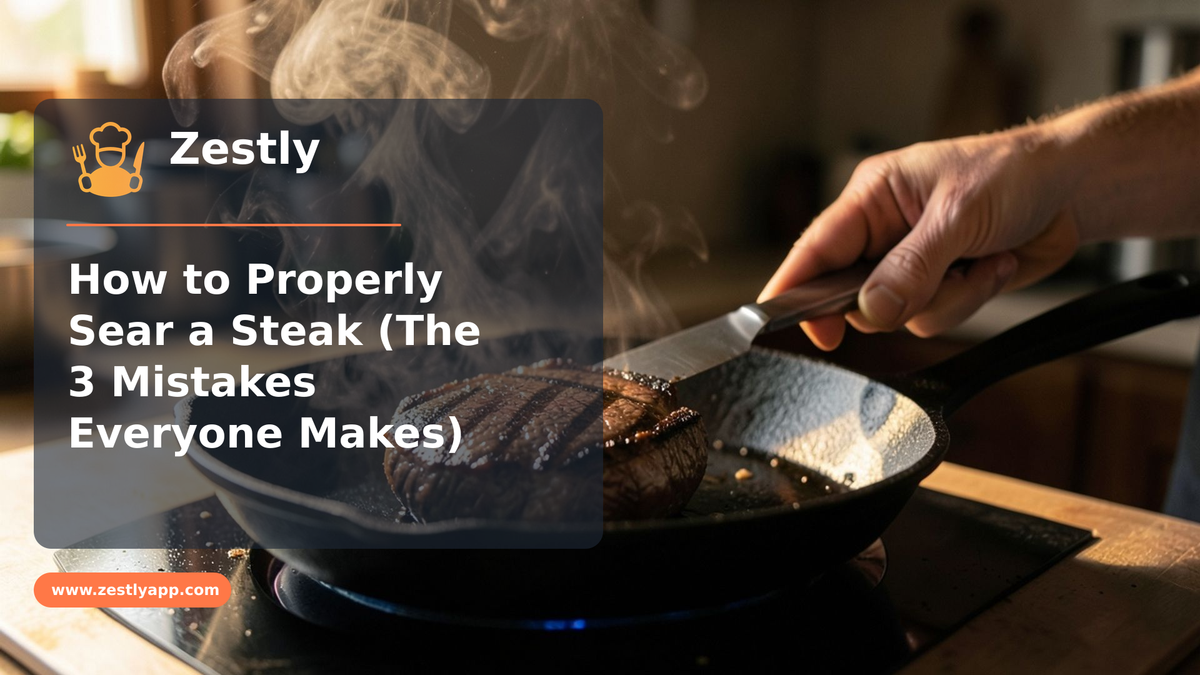
- Sear the Steak: Place the steak in the pan away from you to avoid splatter. Do not move it around. Let it sear for about 3-4 minutes on one side until a rich brown crust forms. The temptation to move the steak is real, but patience is key. The more contact the meat has with the pan, the better the crust.
- Flip and Finish: Turn the steak and cook for another 3-4 minutes for medium-rare. Use a meat thermometer to ensure the internal temperature reaches about 130°F. The internal temperature will rise slightly during resting, so aim a few degrees lower than your final target.
- Rest Before Slicing: Let the steak rest on a cutting board for 5-10 minutes. This allows juices to redistribute, resulting in a juicier bite. Cutting into a steak too soon lets precious juices escape, leaving it dry.
Common Mistakes to Avoid
- Mistake 1: Crowding the Pan: Overloading the pan with steak traps steam, which prevents the development of a crust. Sear in batches if necessary. Crowding leads to uneven cooking, and instead of a sear, you end up with a steamed steak, which lacks the desired texture and flavor.
- Mistake 2: Not Preheating the Pan: A lukewarm pan leads to uneven cooking and a lackluster crust. The pan should be smoking hot before the steak hits it. This ensures the steak starts cooking immediately, reducing the time it spends in the pan and preventing overcooking.
- Mistake 3: Flipping Too Often: Constantly flipping the steak disrupts the searing process. Allow it to cook undisturbed to achieve that perfect crust. Each side needs time to develop its own crust, and frequent flipping means each side is not given enough opportunity to brown properly.
Knowing When It's Done
The best way to know when your steak is done is by using a meat thermometer. For a medium-rare steak, aim for 130°F internally. Remember that the steak will continue to cook slightly as it rests. For more insights on cooking steaks to perfection, our Skirt Steak: The Ultimate Guide to Buying, Prepping, and Searing offers detailed tips.
Pairing Your Perfect Steak
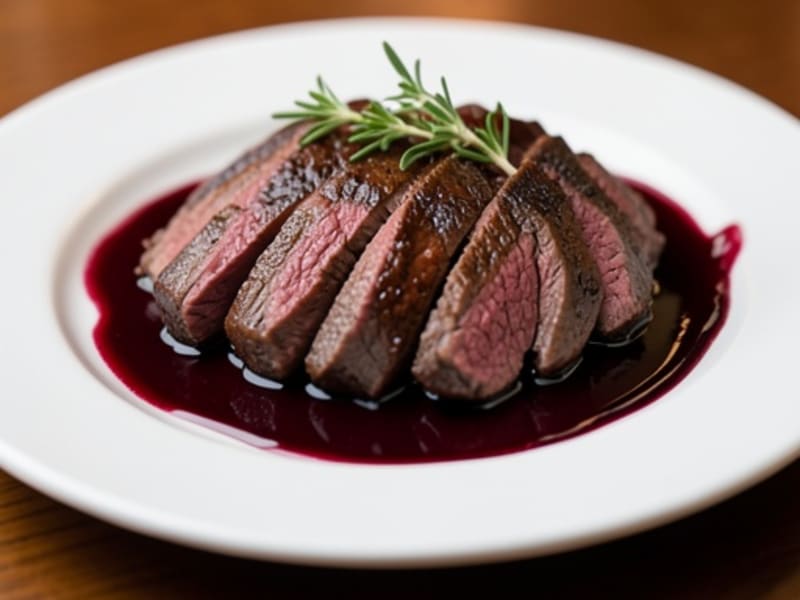
A well-seared steak deserves a complementary side. Try our Seared Hanger Steak with Red Wine Shallot Sauce for an elegant dinner, or go for a casual option like Grilled Skirt Steak with Charred Salsa Roja. These pairings enhance the flavors of the steak, creating a balanced and satisfying meal.
For those wondering why their steak seems different from restaurant quality, it's worth noting that many professional kitchens use techniques like sous vide to ensure even cooking before finishing with a sear. You can learn more about sous vide techniques from authoritative sources like Serious Eats. This technique can be a game-changer for home cooks looking to replicate that perfect restaurant steak.
Searing a steak is a simple yet rewarding skill that can transform a meal. With these tips, you’ll create a steak that's as beautiful to look at as it is to eat. Ready to turn up the heat? Explore more recipes on Zestly to find your next culinary adventure, or consider trying the Cedar-Plank Miso Salmon with Charred Scallion for a different kind of searing experience.
Frequently Asked Questions
What oil is best for searing steak?
Use oils with a high smoke point for searing steak, such as avocado oil, canola oil, or grapeseed oil. These oils can withstand high temperatures without smoking or burning, allowing you to achieve a perfect sear.
How long should a steak rest after searing?
Let your steak rest for 5-10 minutes after searing. Resting allows the juices to redistribute throughout the steak, resulting in a juicier and more flavorful bite.
Can I sear steak on a non-stick pan?
It's not recommended to sear steak on a non-stick pan as they don't handle high heat well. A cast iron or stainless steel skillet is preferred for achieving a good sear and developing a flavorful crust.
Why does my steak not develop a crust?
A lack of crust can be caused by overcrowding the pan, not preheating it enough, or the steak being too wet. Ensure your steak is dry, the pan is hot, and there's enough space for steam to escape.

Written by
Matthew Weitzman
Founder, Zestly
Matthew Weitzman is the founder of Zestly, on a mission to make everyday cooking easier and more joyful. A lifelong home cook, he writes about practical techniques, smart ingredient choices, and building confidence in the kitchen.
View all posts →