Everything You Need to Know About Tuna Casserole with Rice
In the world of comforting home-cooked meals, tuna casserole with rice holds a special place. This classic dish is a delicious, budget-friendly option that can be adapted to fit any taste or occasion. Whether you're a seasoned cook or just getting started in the kitchen, understanding the ins and outs of tuna casserole with rice will elevate your culinary skills.
What is Tuna Casserole with Rice?
Tuna casserole with rice is a hearty dish that combines canned tuna, cooked rice, and a creamy sauce, often with added vegetables and a crispy topping. It's a versatile meal that's both satisfying and easy to prepare. The origins of tuna casserole date back to the early 20th century, when it became popular as an economical and filling meal for families. During this time, casseroles emerged as a convenient way to stretch ingredients and create wholesome meals from pantry staples.
The beauty of this dish lies in its simplicity and adaptability. The creamy sauce binds the ingredients together, creating a comforting and cohesive texture that appeals to both young and old. The crispy topping, often made from breadcrumbs or crushed crackers, adds a delightful contrast to the creamy base, providing both flavor and texture with every bite.
How to Buy and Store Ingredients
When making tuna casserole with rice, the quality of your ingredients plays a crucial role in the final outcome. Each component contributes to the overall flavor profile, so choosing wisely can make a big difference.
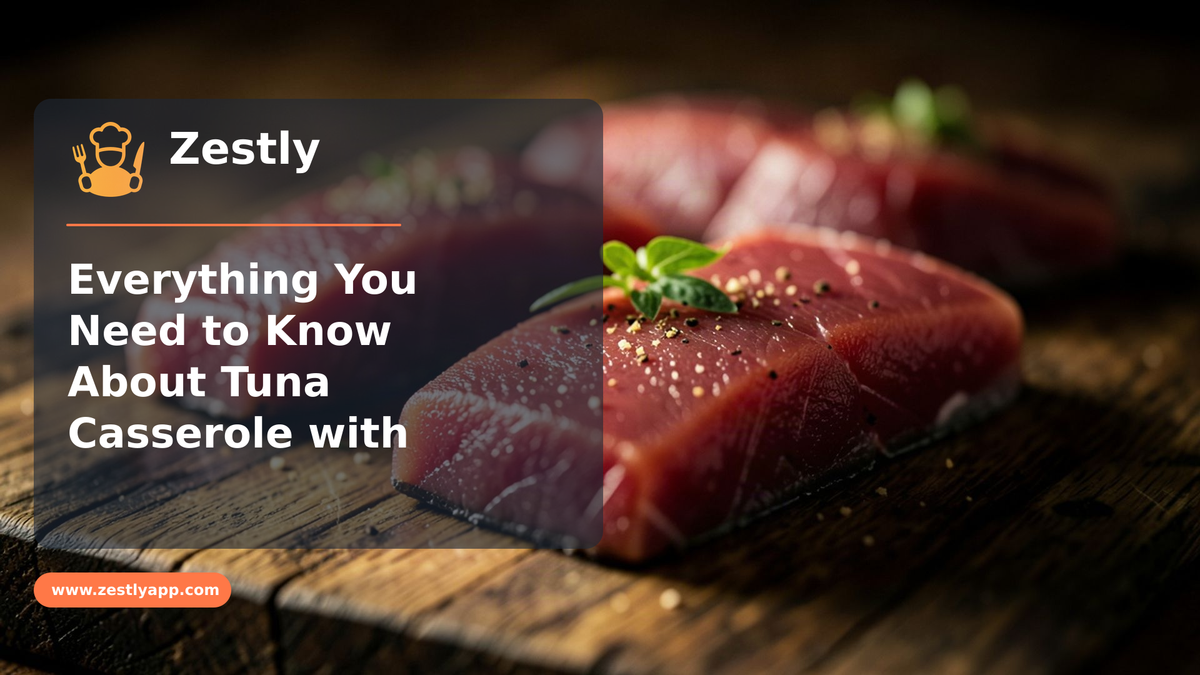
- Tuna: Opt for high-quality canned tuna packed in water or olive oil. While tuna in oil tends to be richer and more flavorful, tuna in water is a lighter option that allows the other flavors in your casserole to shine. Look for sustainably sourced options to ensure you're making an environmentally friendly choice. Brands with certifications such as the Marine Stewardship Council (MSC) label can guide you towards more responsible selections.
- Rice: Long grain white rice or brown rice are popular choices, but you can also experiment with basmati or jasmine for a fragrant twist. Each type of rice brings its own texture and subtle flavor, with brown rice adding nuttiness and a slight chewiness, while jasmine and basmati offer aromatic undertones. Your choice of rice can subtly alter the dish, making it important to consider the overall flavor profile you desire.
- Vegetables: Fresh vegetables like bell peppers, broccoli, and peas add color and nutrition. These vegetables not only enhance the visual appeal of the dish but also introduce a range of textures, from the crunch of bell peppers to the tender bite of broccoli. When selecting vegetables, consider the cook time each requires. Firmer vegetables may need a quick blanching or sautéing before adding to the casserole to ensure they cook evenly.
- Storage: Keep canned tuna and rice in a cool, dry place to prevent spoilage and maintain quality. Fresh vegetables should be stored in the refrigerator to maintain their freshness. If you're using pre-cooked rice, ensure it’s stored in an airtight container in the fridge and consumed within a few days to avoid spoilage.
Prepping Your Ingredients
Before you start cooking, proper preparation is key. This step ensures that each component of the casserole is cooked to perfection, resulting in a harmonious blend of flavors and textures.
- Canned Tuna: Drain the tuna well to avoid excess moisture in the casserole. Excess liquid can lead to a watery dish, which detracts from the creamy texture you aim for. After draining, use a fork to flake the tuna into smaller pieces to evenly distribute it throughout the casserole.
- Rice: Cook the rice until tender, then let it cool slightly before mixing it into the casserole. Cooling the rice helps prevent it from clumping and aids in absorbing the sauce evenly. If you're short on time, you can spread the cooked rice on a baking sheet to cool it quickly.
- Vegetables: Chop vegetables into uniform pieces to ensure even cooking. This not only ensures consistent texture but also facilitates a more aesthetically pleasing presentation. Consider the natural sweetness of vegetables like carrots or peas to balance the savory elements of the dish.
Flavor Pairings
Tuna casserole with rice is a blank canvas for various flavor combinations. Consider these pairings to elevate your dish:
- Herbs: Parsley, dill, and thyme add freshness and can be used either in the cooking process or as a garnish to bring a burst of color and flavor just before serving. Fresh herbs should be added towards the end of the cooking process to preserve their vibrant flavors.
- Spices: Paprika or a dash of adobo seasoning enhances depth. Paprika can bring a subtle smokiness or sweetness depending on the variety, while adobo seasoning adds a complex mix of garlic, pepper, and other spices that complement the mildness of tuna.
- Cheese: A sprinkle of aged cheddar or parmesan provides a savory kick. Cheese not only adds flavor but also contributes to the creamy texture. Consider blending different cheeses to create a more complex flavor profile.
Cooking Methods
Tuna casserole with rice is versatile in preparation, offering multiple delicious methods:
- Classic Baked Casserole: Combine cooked rice, tuna, vegetables, and sauce in a baking dish. Top with breadcrumbs and bake until golden. Baking allows the flavors to meld beautifully, and the heat creates a crispy, golden crust that adds a delightful crunch with every bite. Keep an eye on the casserole as it bakes to ensure the topping doesn't overbrown.
- One-Pan Stove-Top: Sauté vegetables in a skillet, add rice and tuna, then stir in a creamy sauce. Cook until heated through. This method is perfect for a quick dinner, minimizing cleanup while still delivering comforting flavors. Adjust the sauce consistency as needed, adding a splash of milk or stock if it becomes too thick.
- Slow Cooker Delight: Layer all ingredients in a slow cooker and cook on low for several hours for a set-and-forget meal. This method is ideal for busy days, allowing the flavors to develop over time. Stir occasionally to ensure even cooking and prevent sticking.
For more inspiration, try our Creamy Tuscan White Bean Skillet, which offers a similar comforting vibe.
More Recipe Ideas
Tuna casserole with rice can be a springboard for other exciting dishes, allowing you to explore global flavors with simple tweaks:
- Asian-Inspired Stir-Fry: Use soy sauce, ginger, and sesame oil for a twist. Add chopped scallions and a sprinkle of sesame seeds for authenticity and extra flavor.
- Mediterranean Bake: Incorporate olives, feta, and sun-dried tomatoes. This version brings bold, briny flavors that contrast beautifully with the creamy base.
- Mexican Casserole: Add black beans, corn, and a sprinkle of taco seasoning. Top with sliced jalapeños for a hint of heat and freshly chopped cilantro for a fresh finish.
If you're a fan of Mediterranean flavors, check out our Mediterranean Stuffed Bell Peppers.
In conclusion, tuna casserole with rice is a delightful and adaptable dish perfect for any kitchen. With these tips, you can transform simple ingredients into a flavorful meal. Ready to try your hand at it? Explore more comforting recipes on Zestly and enjoy the art of home cooking.
Frequently Asked Questions
Can I use fresh tuna instead of canned in tuna casserole?
Yes, fresh tuna can be used in tuna casserole. Cook the tuna first by searing or grilling, then flake it and add to the casserole. Keep in mind that fresh tuna will alter the texture and flavor, offering a fresher taste compared to the traditional canned variety.
What can I substitute for rice in a tuna casserole?
If you're looking to substitute rice in a tuna casserole, consider using quinoa, cauliflower rice, or orzo pasta. These alternatives offer varied textures and can enhance the nutritional profile of your dish, while still maintaining that comforting casserole feel.
How do I make tuna casserole gluten-free?
To make a gluten-free tuna casserole, use gluten-free breadcrumbs for the topping and ensure all sauce ingredients are gluten-free, such as using cornstarch as a thickening agent instead of flour. Also, opt for a gluten-free pasta or rice variant to complete the dish.

Written by
Matthew Weitzman
Founder, Zestly
Matthew Weitzman is the founder of Zestly, on a mission to make everyday cooking easier and more joyful. A lifelong home cook, he writes about practical techniques, smart ingredient choices, and building confidence in the kitchen.
View all posts →