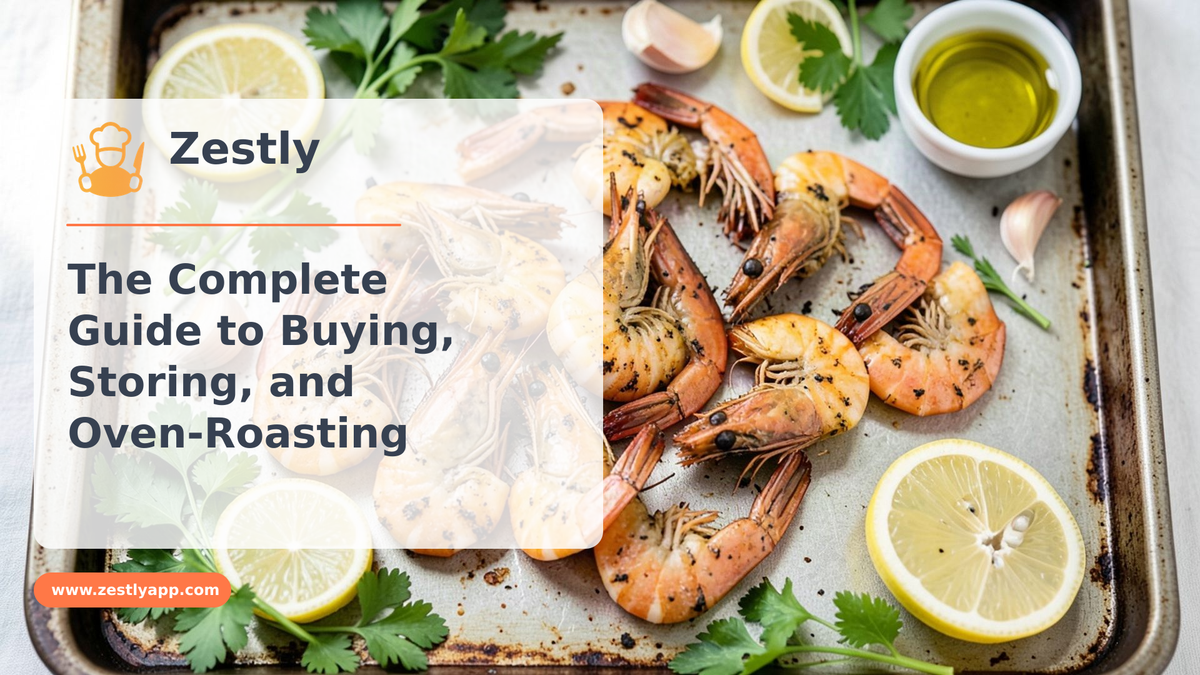
The Complete Guide to Buying, Storing, and Oven-Roasting Shrimp
Shrimp is a versatile seafood that can transform any meal into something special. Oven-roasting shrimp is a simple method that brings out its natural sweetness and is perfect for both quick weeknight dinners and impressive dinner parties. Here’s how to master buying, storing, and cooking shrimp in your oven.
Choosing the Best Shrimp
- Fresh vs. Frozen: Fresh shrimp are often more flavorful because they haven't undergone freezing, which can sometimes alter texture slightly. However, frozen shrimp can be just as good if bought from a reliable source. Look for shrimp that are flash-frozen soon after being caught. This process preserves the taste and texture remarkably well, locking in that fresh-from-the-ocean flavor. When buying frozen, check that the shrimp are not clumped together in the bag—this could indicate they've thawed and refrozen, which can affect quality.
- Size Matters: Shrimp are sold by size, often labeled as small, medium, large, etc. For roasting, medium to large shrimp (21-30 count per pound) work best. This size offers a balance of flavor and texture, ensuring that the shrimp remain juicy and do not overcook too quickly. Larger shrimp offer a meatier bite and are less prone to drying out in the oven, making them ideal for roasting.
- Shell-on or Peeled: Shell-on shrimp retain more flavor and moisture during cooking, as the shell acts as a barrier, keeping the meat succulent. However, peeled shrimp are more convenient and allow for quicker marinating. If you choose shell-on, consider leaving the tail on for presentation and ease of handling. For those who prefer peeled shrimp, ensure they're deveined for a cleaner taste.
Proper Shrimp Storage
- Refrigeration: If using fresh shrimp, store them in the refrigerator on a bed of ice and use them within two days. The ice helps maintain a consistent low temperature, crucial for preserving the shrimp's freshness. Make sure they're in a covered container or a zip-top bag to prevent cross-contamination with other foods.
- Freezing: To freeze shrimp, pat them dry to remove excess moisture, which can cause freezer burn. Place them in a single layer on a baking sheet and freeze until solid. Then transfer the shrimp to a zip-top bag, pressing out as much air as possible to prevent clumping and freezer burn. Label the bag with the date to keep track of freshness.
- Thawing Frozen Shrimp: Thaw in the refrigerator overnight for best results, which keeps the shrimp at a safe temperature. If you're short on time, submerge the sealed bag in cold water for 20-30 minutes, changing the water halfway through to ensure even thawing. Avoid using hot water, which can begin to cook the shrimp unevenly and affect texture.
Preparing Shrimp for Roasting
- Devein: If not already deveined, make a shallow cut along the back of each shrimp and remove the dark vein, which is the digestive tract. While it's not harmful to eat, removing it improves the shrimp's texture and presentation.
- Marinate: A simple marinade with olive oil, garlic, lemon juice, and your choice of herbs (like parsley or dill) can enhance the shrimp's flavor. Allow the shrimp to marinate for at least 15-30 minutes before cooking. This not only imparts flavor but also tenderizes the shrimp slightly.
- Drying: Pat shrimp dry with a paper towel before cooking to ensure they roast, not steam, in the oven. Excess moisture can lead to steaming, which prevents the shrimp from developing a nice, roasted exterior.
Oven-Roasting Shrimp
Oven-roasting is a quick way to cook shrimp while keeping them juicy and flavorful. Here’s how:
- Preheat Oven: Heat your oven to 400°F (200°C). This high temperature is essential for quick cooking, which helps retain the shrimp's moisture and ensures a beautifully roasted finish.
- Arrange Shrimp: Spread shrimp in a single layer on a baking sheet lined with parchment paper to prevent sticking. Avoid overcrowding, as this can cause uneven cooking and steaming rather than roasting.
- Season: Drizzle with olive oil and sprinkle with salt, pepper, and any additional spices like paprika or Adobo Seasoning. For an extra kick, consider adding a pinch of cayenne pepper or smoked paprika for depth.
- Roast: Bake for 6-8 minutes until shrimp are pink and opaque. Overcooking can lead to rubbery shrimp, so watch them closely. For precise timing, keep an eye on the color transition—shrimp should be firm to the touch yet still yield slightly when pressed.
Pairing Shrimp with Sides
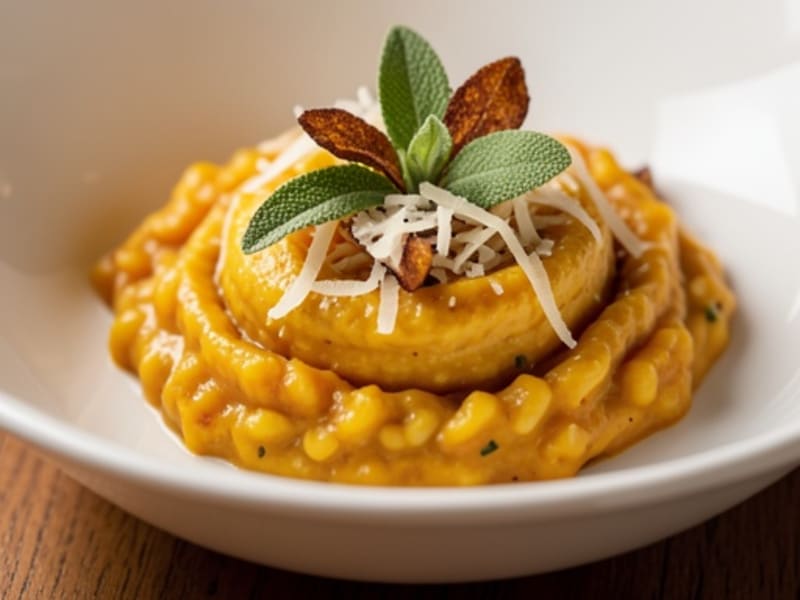
- Risotto: Serve alongside creamy Butternut Squash Sage Risotto for a comforting dish. The creaminess of the risotto complements the sweetness of the shrimp, creating a balanced, flavorful meal.
- Salads: Toss roasted shrimp into a fresh salad with Cabbage and citrus for a refreshing meal. The crispness of the cabbage and the acidity of the citrus brighten the shrimp, making it a perfect light meal.
- Noodles or Rice: Combine with noodles or rice for a complete, satisfying bowl. Consider a light soy sauce or sesame oil drizzle to enhance the flavors and tie the components together seamlessly.
Recipes to Try
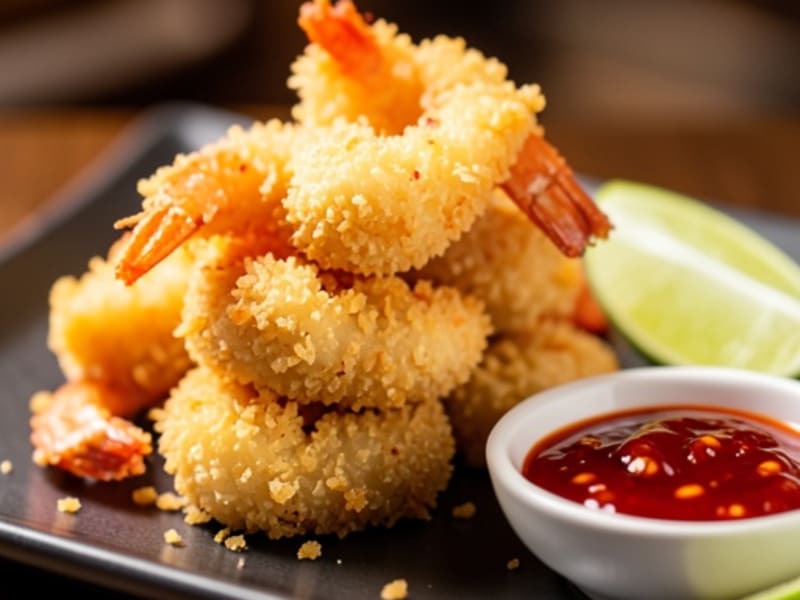
If you're inspired to explore more, try our Crispy Coconut Shrimp with Sweet Chili Sauce for a delightful twist on shrimp. The crispy coconut coating adds a delicious texture, while the sweet chili sauce provides a perfect balance of sweet and spicy flavors.
Roasting Tips and Tricks
- Even Cooking: Ensure shrimp are similar in size for even cooking. This uniformity allows them to cook at the same rate, preventing some from being undercooked while others are overdone.
- Preheat: Always preheat your oven to avoid uneven cooking. Starting with a hot oven ensures that the shrimp begin cooking immediately, sealing in their juices.
- Watch Closely: Shrimp cook quickly, so keep an eye out to prevent overcooking. Use a timer and check them a minute or two before they should be done to gauge their progress.
For more roasting tips and ideas, check out our article on 10 Easy Ways to Roast Vegetables Without Oil for Healthier Meals.
With these tips, you're ready to make succulent, flavorful shrimp every time. Head to your kitchen and start experimenting with these versatile, oceanic gems using Zestly recipes!
Frequently Asked Questions
How long do I cook shrimp in the oven?
Oven-roast shrimp at 400°F (200°C) for 6-8 minutes until they turn pink and opaque. Be careful not to overcook them as they can become rubbery.
Can I roast frozen shrimp?
Yes, you can roast frozen shrimp, but it's best to thaw them first for even cooking. Thaw in the fridge overnight or in cold water for 20-30 minutes.
What are some good seasonings for shrimp?
Some popular seasonings for shrimp include garlic, lemon juice, olive oil, paprika, and [Adobo Seasoning](/glossary/adobo-seasoning). These enhance the natural sweetness of shrimp.

Written by
Matthew Weitzman
Founder, Zestly
Matthew Weitzman is the founder of Zestly, on a mission to make everyday cooking easier and more joyful. A lifelong home cook, he writes about practical techniques, smart ingredient choices, and building confidence in the kitchen.
View all posts →