How to Roast Vegetables in the Oven: Avoid These 3 Common Mistakes
1. Don't Overcrowd Your Baking Sheet
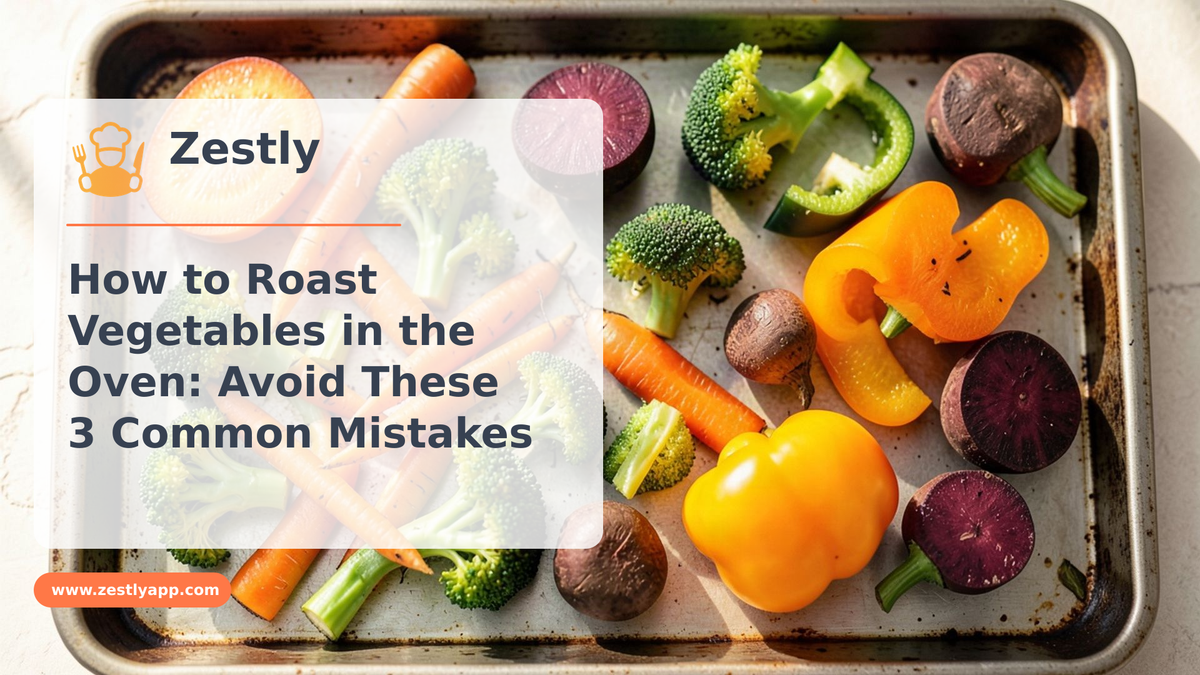
The importance of space cannot be overstated when it comes to roasting vegetables. Imagine a dance floor at a packed party; if everyone is crowded together, there's no room to move freely. Similarly, when vegetables are too close together on a baking sheet, they end up steaming rather than roasting. This steaming effect leads to soggy results, preventing the desirable caramelization that gives roasted veggies their distinctive sweet and savory character. To avoid this, aim to leave some breathing room between each piece on the tray. This allows hot air to circulate around each vegetable, achieving that perfect crispness and depth of flavor.
If you're handling a substantial batch of veggies, don't hesitate to use two baking sheets. This ensures each piece has ample space and prevents them from piling up on each other, which would again cause steaming. If using two trays, consider rotating them halfway through the cooking process for even roasting. Alternatively, you can roast in batches if oven space is an issue. Although it requires a bit more time, the results are well worth the extra effort.
2. Set the Right Temperature
Setting the right oven temperature is crucial for successful roasting. Every vegetable has a sweet spot where it caramelizes beautifully without overcooking or burning, and for most, 400°F (200°C) is ideal. This temperature strikes a balance, allowing vegetables to cook through while developing a rich, caramelized exterior.
Thicker vegetables, like beets or carrots, may require a slightly higher heat or a longer roasting time to become tender throughout. If you're in doubt, start with a higher temperature of around 425°F (220°C) for these denser veggies, checking periodically for doneness. Keep in mind that oven temperatures can vary slightly, so it's wise to monitor your vegetables closely the first time you try a new combination.
3. Cut Vegetables Uniformly
Uniformity in size is the secret to evenly roasted vegetables. Different types of vegetables have varying cooking times due to differences in density and moisture content. Cutting them into similar sizes ensures that everything cooks at the same rate, preventing some pieces from being underdone while others are overly charred.
For instance, if you're roasting a mix of bell peppers and broccoli, slicing them to approximately the same thickness is essential. This might mean cutting thicker broccoli stalks into smaller florets or slicing bell peppers into strips of a similar width. Uniformity helps not only with even cooking but also with the presentation, making your dish visually appealing as well as delicious.
4. Use Enough Oil
Oil plays a pivotal role in roasting, contributing to both texture and flavor. It helps the vegetables develop a crispy, golden exterior while preventing them from drying out during the cooking process. However, achieving the right balance is key; too little oil and vegetables can become dry or unevenly cooked, too much and they may end up greasy.
A light, even coating of oil is ideal. Pour a small amount of oil over the vegetables, then toss them until they are uniformly coated. We recommend using heart-healthy avocado oil, which boasts a high smoke point, making it perfect for high-temperature roasting. Its neutral flavor lets the natural sweetness of the vegetables shine through without interference.
5. Season Generously
Seasoning is where you can truly personalize your roasted vegetables, turning a basic dish into a flavor-packed experience. Salt is essential as it enhances the natural flavors of vegetables, drawing out their inherent sweetness. Freshly ground pepper adds a subtle heat that complements the caramelized edges.
Don't be shy about experimenting with spices and herbs to elevate your dish. Fresh herbs like rosemary or thyme can add an aromatic depth, while spices such as smoked paprika or cumin provide warmth and complexity. For a unique twist, try incorporating adobo seasoning for a savory, umami-rich flavor profile.
- Salt and pepper are essential.
- Fresh herbs like rosemary or thyme add depth.
- Spices like smoked paprika or cumin can add warmth.
For more on using fresh ingredients like mushrooms, check out our guide to buying, storing, and cooking mushrooms.
6. Flip Halfway Through
Flipping your vegetables halfway through roasting is an often overlooked but critical step. This simple action ensures even cooking and helps develop a uniform caramelization on all sides. Without flipping, one side might become perfectly crisp while the other remains soft and undercooked.
Use a spatula to gently turn the vegetables, taking care not to squish or break them. This not only promotes even browning but also redistributes any oil and seasoning that may have settled on the tray. If your vegetables stick to the pan, they may not be done on that side, so give them a little more time before attempting to flip.
7. Know When They’re Done
Knowing when your vegetables are perfectly roasted is all about using your senses. Visual cues are your best friend here. Look for a tender interior and a golden-brown crust on the outside. The vegetables should be fork-tender, meaning a fork easily pierces through them with little resistance.
If the veggies aren't quite there yet, give them a few more minutes in the oven. Be cautious not to overcook, as this can lead to a mushy texture and loss of flavor. Perfectly roasted vegetables are a delicious accompaniment to dishes like our Mediterranean Stuffed Bell Peppers.
8. Let Them Rest
Once your vegetables are out of the oven, give them a moment to rest, just like you would with a beef steak. Resting allows the vegetables to firm up slightly and enhances their flavor. During this brief pause, any residual heat continues to cook the veggies slightly, bringing out their best qualities.
After a few minutes, they’re ready to serve. This short resting period can make a noticeable difference in the texture and taste of your dish. The vegetables will be easier to handle, and their flavors will have melded beautifully.
Roasting vegetables can transform any meal. Whether you're pairing them with a creamy Tuscan white bean skillet or serving as a standalone side, mastering these steps ensures your veggies are always a hit. For more cooking inspiration, explore our recipes and articles.
Happy roasting, and remember, every dish is an opportunity to experiment and enjoy. Let's get cooking with Zestly!
Frequently Asked Questions
What temperature should I roast vegetables at?
Roast vegetables at 400°F (200°C) for optimal caramelization and tenderness. This temperature strikes a balance between cooking the inside and achieving a crispy exterior.
How do I prevent roasted vegetables from getting soggy?
To prevent soggy vegetables, avoid overcrowding the baking sheet. Ensure enough space between pieces for proper air circulation, and coat them evenly with oil for a crisp finish.
Can I roast different types of vegetables together?
Yes, you can roast different vegetables together. Just ensure they're cut to similar sizes for even cooking, and consider adding those with longer cooking times, like root vegetables, first.
What oil is best for roasting vegetables?
Avocado oil is excellent for roasting due to its high smoke point and neutral flavor. Olive oil is also a popular choice, though it has a lower smoke point, making it better for moderate roasting.

Written by
Matthew Weitzman
Founder, Zestly
Matthew Weitzman is the founder of Zestly, on a mission to make everyday cooking easier and more joyful. A lifelong home cook, he writes about practical techniques, smart ingredient choices, and building confidence in the kitchen.
View all posts →