Fresh Mushrooms: How to Buy, Store, and Cook for Maximum Flavor
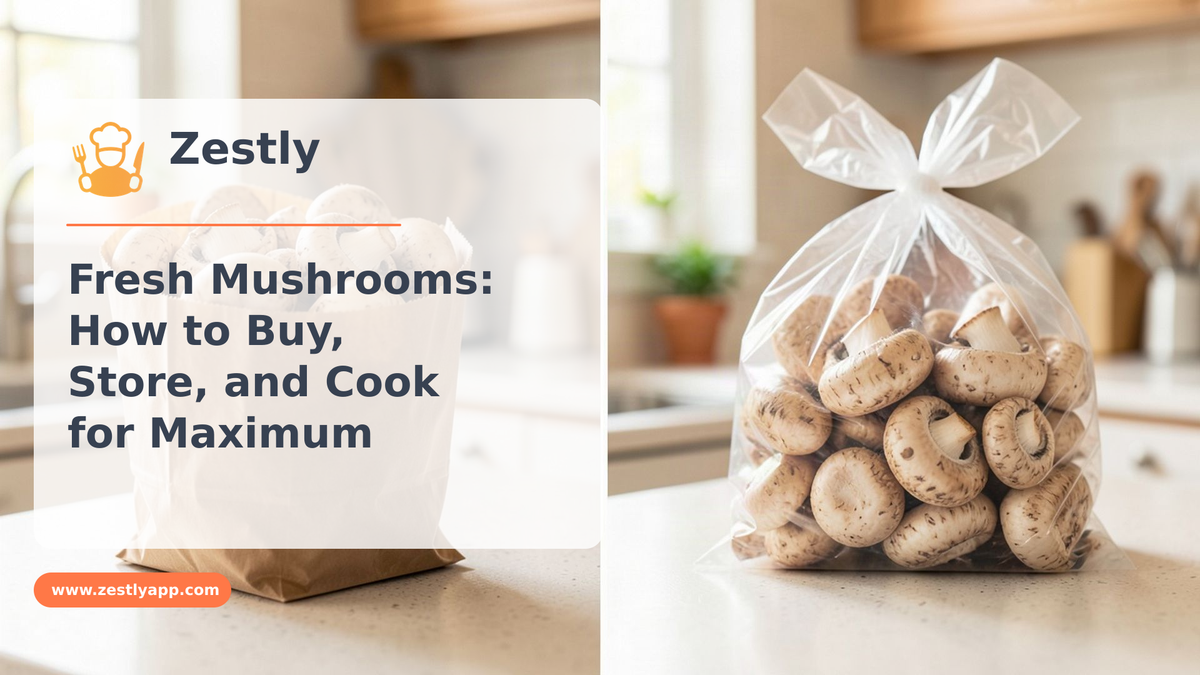
Mushrooms are a versatile ingredient that can elevate many dishes, but knowing how to properly buy, store, and cook them is key to making the most of their earthy flavors. Let's dive into the essential tips and techniques for mastering fresh mushrooms in your kitchen.
Buying Fresh Mushrooms
When you're at the market, selecting the right mushrooms is the first step toward culinary success. Here's what to keep in mind:
- Look for Freshness: Choose mushrooms with firm, smooth caps and a dry surface. They should feel solid and slightly springy to the touch, indicating they are fresh and hydrated. Avoid any that appear slimy or have dark spots, as these are signs of decay and can lead to a mushy texture when cooked.
- Smell Matters: Fresh mushrooms should have a light, earthy aroma, reminiscent of a clean forest floor. This scent is a good indicator of their freshness. An off smell, like ammonia or sourness, could indicate they are past their prime and may alter the flavor of your dish.
- Check the Gills: If the gills (found underneath the cap) are exposed, the mushroom is mature, which is fine for some dishes but may spoil faster. Younger mushrooms with covered gills tend to have a firmer texture and a milder taste, making them suitable for sautéing or eating raw in salads.
Selecting high-quality mushrooms can make a significant difference in your cooking, so take the time to pick the best. For a deeper dive into selecting high-quality ingredients, check out our article on building blocks of real Italian cooking.
Storing Fresh Mushrooms
Storing mushrooms correctly can greatly extend their shelf life and preserve their flavor. Here's a simple method:
- Keep Them Dry: Moisture is the enemy. Store mushrooms in a paper bag to absorb excess moisture, and place them in the refrigerator. The paper bag helps regulate moisture levels, preventing the mushrooms from becoming soggy or slimy.
- Avoid Plastic: Plastic bags trap moisture, leading to faster spoilage. Opt for breathable materials like paper bags or cloth. If you only have plastic, consider poking small holes to allow some air circulation.
- Check Regularly: Inspect your mushrooms every couple of days and remove any that are showing signs of spoilage, such as darkening or a slippery surface. This prevents one spoiled mushroom from affecting the rest.
Following these tips will keep your mushrooms fresh and ready for recipes like our delightful Mediterranean Stuffed Bell Peppers.
Cooking with Fresh Mushrooms
Mushrooms are incredibly versatile, lending their umami-rich flavor to a variety of dishes. Here’s how to make them shine:
- Sautéing: Heat a bit of avocado oil in a pan, add sliced mushrooms, and cook them over medium-high heat until golden brown. This technique enhances their flavor and gives them a crispy edge. Avoid overcrowding the pan, as mushrooms release moisture and need space to brown properly. Stir occasionally for even cooking.
- Grilling: Whole mushrooms or thick slices can be tossed with olive oil and grilled for a smoky depth. Grilling brings out their natural sugars and creates a delicious caramelized exterior. Consider marinating them beforehand with herbs and garlic for an extra punch of flavor.
- In Sauces: Add them to sauces or stews, like our Italian Beef Meatballs in Slow-Simmered Sugo, for a hearty, rich taste. Their umami quality enhances the savory depth of dishes, making them a valuable addition to meat or vegetarian stews.
For more inspiration on quick and flavorful dishes, explore our vegetarian Middle Eastern recipes.
Comparing Storage Methods: Paper vs Plastic
When it comes to storing mushrooms, the debate between using paper bags and plastic bags is common. Here's why paper bags come out on top:
- Breathability: Paper bags allow air circulation, preventing moisture build-up and mold. This is crucial in maintaining the mushrooms' texture and preventing the growth of spoilage organisms.
- Absorbency: They help absorb excess moisture, keeping mushrooms fresh longer. This is particularly useful if your fridge tends to be on the humid side.
- Plastic Drawbacks: While plastic bags can temporarily keep mushrooms from drying out, they trap moisture, leading to sliminess. This not only shortens their shelf life but also impacts their texture negatively when cooked.
Still, if you must use plastic, poke holes for ventilation or wrap them loosely in a damp paper towel before placing them in the fridge. This compromise can help extend their usability a bit longer than if they were sealed tightly.
The Verdict: Best Practices for Mushroom Handling
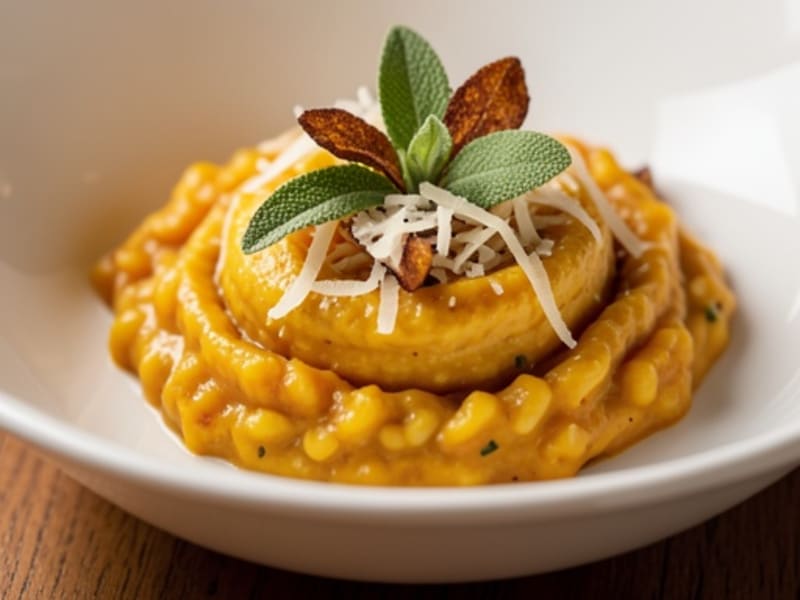
In conclusion, choose fresh, firm mushrooms at the store, store them in a paper bag in the fridge, and cook them using methods that highlight their natural umami flavor. Armed with these tips, you'll be ready to incorporate mushrooms into everything from a butternut squash sage risotto to a simple sauté.
Understanding the nuances of mushrooms can transform a good meal into a great one. The right mushroom handling can ensure you enjoy the best of their deep, savory qualities. So why not try your hand at one of our recipes? Happy cooking!
For further reading on ingredient handling, check out this resource on mushroom storage from Bon Appetit.
Frequently Asked Questions
How long do fresh mushrooms last in the fridge?
Fresh mushrooms can last up to a week in the fridge if stored properly in a paper bag. This method helps absorb excess moisture and prevents them from becoming slimy.
Can I freeze fresh mushrooms?
Yes, you can freeze fresh mushrooms, but it's best to sauté or blanch them first. This process helps preserve their texture and flavor when thawed.
Should I wash mushrooms before storing them?
It's best to avoid washing mushrooms before storing them, as excess moisture can lead to spoilage. Instead, clean them just before cooking by wiping them with a damp cloth.
What is the best way to clean mushrooms?
The best way to clean mushrooms is by wiping them with a damp cloth or using a soft brush to remove dirt. Avoid soaking them in water to prevent them from absorbing too much moisture.

Written by
Matthew Weitzman
Founder, Zestly
Matthew Weitzman is the founder of Zestly, on a mission to make everyday cooking easier and more joyful. A lifelong home cook, he writes about practical techniques, smart ingredient choices, and building confidence in the kitchen.
View all posts →