Baking Soda vs Baking Powder: Essential Differences Explained
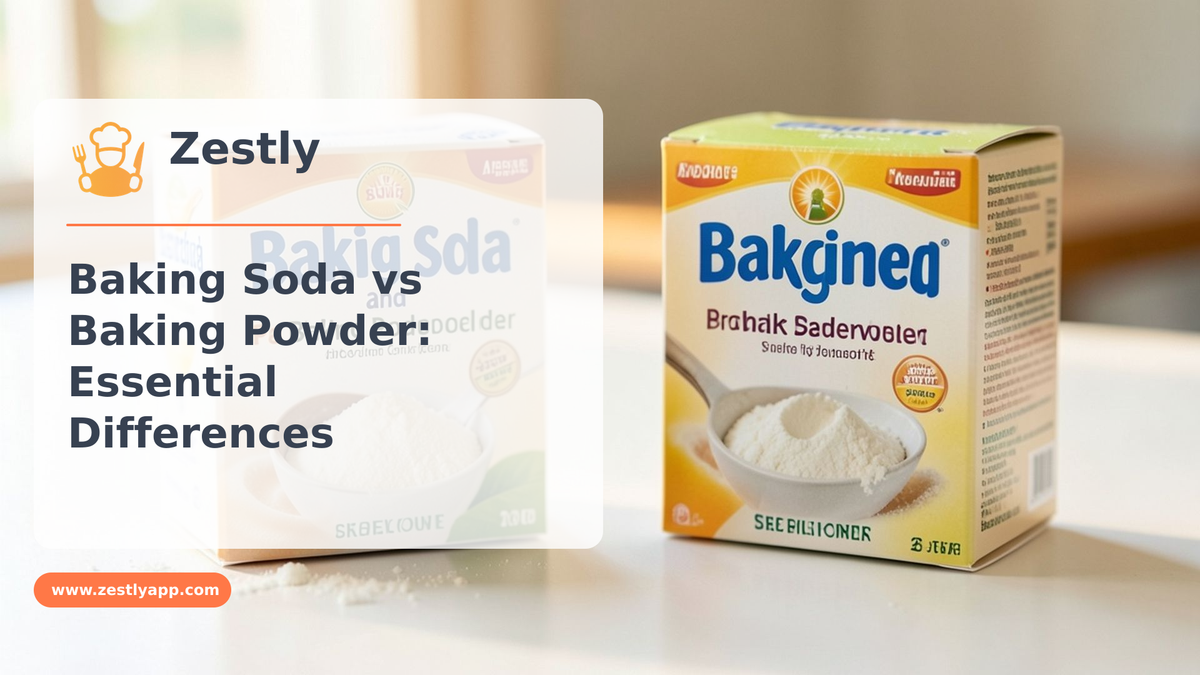
In the world of baking, two ingredients often cause a bit of confusion: baking soda and baking powder. While they might seem similar, they each play unique roles in our favorite recipes. Let's dive into the science and practical uses of these essential baking leaveners.
What is Baking Soda?
Baking soda, or sodium bicarbonate, is a powerful alkaline compound. When combined with an acid, it produces carbon dioxide gas, which helps baked goods rise. This reaction is almost immediate, so recipes often require you to bake the mixture right away after combining the ingredients. This property makes it an excellent choice for quick breads and other recipes where a rapid rise is desired. Baking soda is commonly used in recipes with acidic ingredients like buttermilk, yogurt, or apple cider vinegar.
The science behind baking soda is fascinating and crucial for anyone looking to understand its role in baking. When the alkaline soda meets an acid, it neutralizes the acid and creates bubbles of carbon dioxide. These bubbles are what give your baked goods their fluffiness. However, it's not all about chemistry; sensory factors also play a role. If you’ve ever tasted a cake or cookie with an odd, metallic aftertaste, it’s possible that the recipe contained too much baking soda without enough acid to balance it out. This is a common pitfall to avoid, especially if you're experimenting with recipe modifications.
Key Characteristics of Baking Soda:
- Needs an acidic ingredient to activate.
- Provides a quick rise.
- Can leave a slightly soapy taste if not balanced with enough acid.
What is Baking Powder?
Baking powder is a combination of baking soda, an acid (usually cream of tartar), and a moisture-absorbing agent like cornstarch. It is a complete leavening system, meaning it doesn’t need additional acidic ingredients to work. Baking powders can be single-acting or double-acting, with the latter being more common. Double-acting baking powders release gas in two phases: once when mixed with wet ingredients and again when heated. This dual-phase reaction makes it a versatile ingredient, providing more control over the baking process.
Baking powder is particularly useful in recipes that don’t contain natural acids. It allows for a more controlled and sustained rise, resulting in a light and airy texture—perfect for cakes and muffins. The presence of cornstarch also helps stabilize the mixture, preventing premature reactions in the pantry.
Key Characteristics of Baking Powder:
- Contains its own acid.
- Provides a more controlled rise.
- Often used in recipes without other acidic ingredients.
When to Use Baking Soda vs. Baking Powder
Knowing when to use baking soda or baking powder can make a significant difference in your baking projects. Understanding this can be the key to achieving the perfect texture and flavor in your baked goods.
- Use Baking Soda If:
- The recipe includes acidic ingredients like buttermilk, lemon juice, or vinegar. It's not just about acidity; it's about the taste and balance. The acid not only activates the soda but also imparts a tangy flavor that complements the other ingredients. - You need a quick leavening action. This is particularly helpful in recipes like pancakes or cookies, where a rapid rise lends the perfect texture.
- Use Baking Powder If:
- The recipe does not contain acidic ingredients. Baking powder can stand alone, which is why it's prevalent in recipes like traditional sponge cakes or flaky pastries. - A slower, more controlled rise is preferred. This is ideal for achieving the fine crumb structure in cakes and muffins.
- Use Both If:
- The recipe calls for both a fast and sustained rise. Some recipes, such as certain types of bread and cakes, might utilize both agents to achieve a specific texture and volume. - You need to balance flavors and achieve the right texture. The combination can help offset the potential for any residual taste from the baking soda while ensuring the right lift.
Practical Examples in Baking
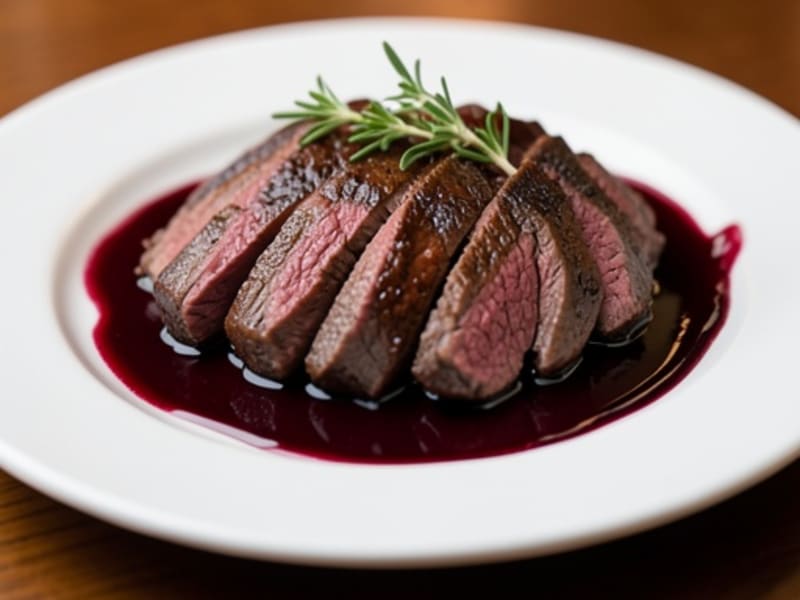
Imagine you're making a batch of Mediterranean Stuffed Bell Peppers. If the recipe calls for baking soda, you’ll want to ensure there's an acidic component involved, such as tomatoes. For a recipe like a classic biscuit that doesn't inherently contain acid, baking powder is your go-to. For more inspiration on how to apply these techniques, you might enjoy trying our Seared Hanger Steak with Red Wine Shallot Sauce, which also benefits from understanding the nuances of ingredient interactions.
Potential Substitutions
In a pinch, you can substitute baking powder for baking soda by tripling the amount (1 teaspoon of baking soda equals 3 teaspoons of baking powder). This is an easy swap when you're low on supplies, but it’s not without its caveats. The additional ingredients in baking powder can alter the taste and texture slightly, so it's best used in recipes where the flavor profile can accommodate a bit of change. However, the reverse isn’t as straightforward due to the need for additional acid, which may alter the flavor and texture of your dish. If you're keen to explore more about ingredient substitutions, professional resources like America's Test Kitchen offer excellent guidance.
Verdict: Baking Soda vs. Baking Powder
In the battle of baking soda versus baking powder, neither is superior to the other; rather, each has its unique place in the kitchen. Understanding their differences empowers you to choose the right ingredient for your culinary creations, whether you're aiming for the perfect rise in a loaf of banana bread or ensuring your cookies bake just right. Each has its own role to play, and mastering their use can elevate your baking from good to outstanding.
As you experiment with these leavening agents, don't hesitate to explore new recipes like our Crispy Almond-Crusted Chicken Milanese or discover more about ingredients like almond flour. These experiments can lead you to new insights and delicious results. Happy baking from all of us at Zestly!
Frequently Asked Questions
Can I use baking soda instead of baking powder?
Using baking soda instead of baking powder requires adding an acid to balance the reaction. Baking soda is three times as strong, so adjust measurements accordingly.
Why does my recipe use both baking soda and baking powder?
A recipe may use both to leverage the quick rise of baking soda and the prolonged rise of baking powder, balancing flavors and textures effectively.
How long do baking soda and baking powder last?
Baking soda can last indefinitely if stored properly, while baking powder typically remains effective for about 6-12 months. Check by testing in hot water for fizz.
What happens if I use too much baking soda?
Excess baking soda can cause a soapy, metallic taste and affect texture. It may also result in uneven rising or browning in baked goods.

Written by
Matthew Weitzman
Founder, Zestly
Matthew Weitzman is the founder of Zestly, on a mission to make everyday cooking easier and more joyful. A lifelong home cook, he writes about practical techniques, smart ingredient choices, and building confidence in the kitchen.
View all posts →