Curious about almond flour? Let's dive in. It's made a name for itself as a flexible ingredient in kitchens everywhere. We’ll chat about what it actually is, its historical journey, how it works wonders in cooking, and the health perks you might not know about. Plus, I’ve got some tips on how to keep it fresh and ready for action.
So, What's Almond Flour Exactly?
Picture this: a silky powder created by grinding sweet almonds that have been treated to a nice hot bath to ditch their skins first. The result? A soft flour different from almond meal, which uses whole almonds with their skins on, giving it a more rugged feel and those tiny brown bits you see. This little nuance matters when baking, texture can change everything!
A Little History Lesson and Why It Matters
Almonds have roots that go way back, think ancient times! They weren’t labeled as "flour" exactly back then but were definitely ground up to enhance Mediterranean and Middle Eastern recipes, among others. Fast forward to today: thanks to gluten-free and low-carb diet trends, almond flour's found a new place in our hearts and cupboards. People love it because it's as adaptable as ever.
In the Kitchen: What You Can Do With It and Its Health Kick
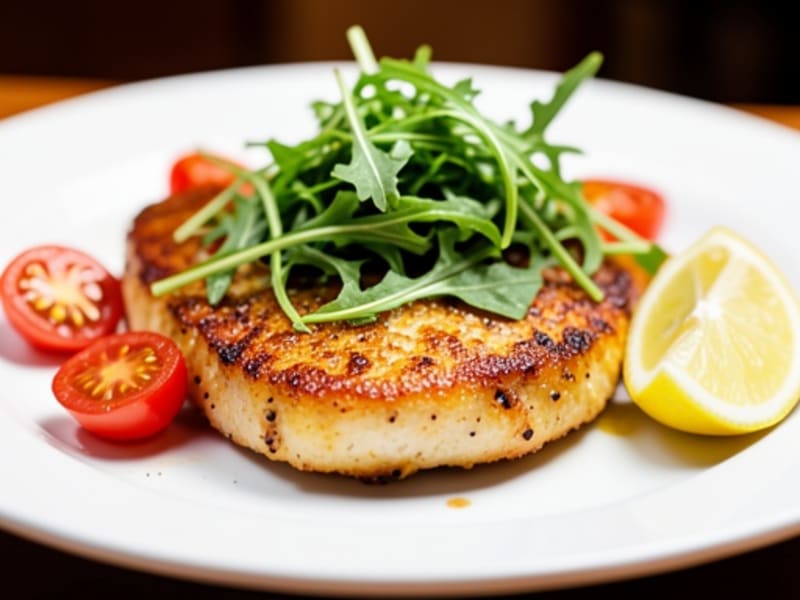
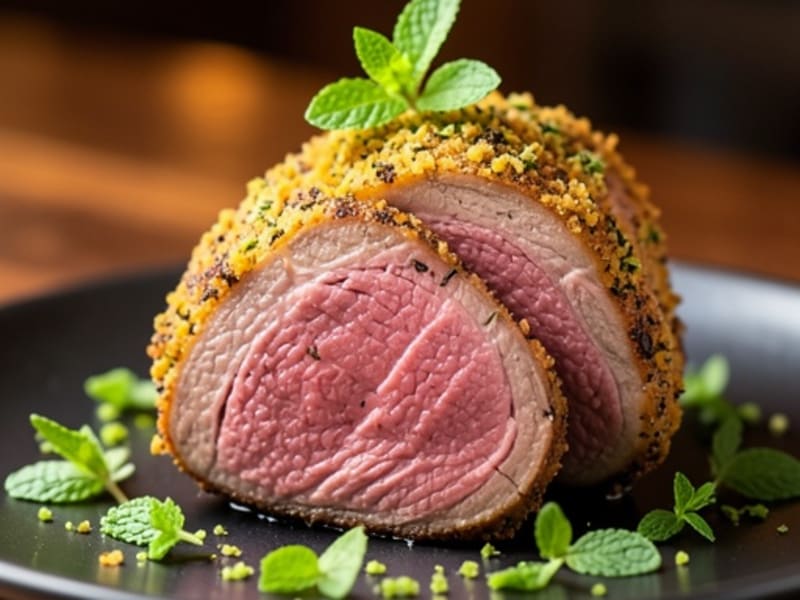
This flour's a bit of a star when it comes to gluten-free cooking. Think fluffy macarons, tender cakes, cookies that melt in your mouth, or even as a nutty crust for chicken or fish. But wait, there’s more! Nutritionally speaking, almond flour's like your friend who always remembers to pack snacks, they’re full of goodness: healthy fats, protein for muscle power, plus dietary fiber which helps keep things moving smoothly inside you. Vitamin E and magnesium are the cherries on top here.
How To Pick The Best One And Keep It Fresh
Got your eyes on some almond flour? Go for ones marked “blanched” if you want that refined texture magic. Storing them right is key: think airtight jars sitting pretty in cool spots like your pantry, keeps them from going stale thanks to all those oils they pack inside. And if you're battling heat where you live? Pop them into the fridge or freezer, it’s like giving them an extended vacation from spoilage-ville! Oh, and double-check expiry dates before stashing away.
A Few Extra Terms To Know
Almond meal pops up quite often too; remember it's chunkier than our fine friend here since it has those almond peels mixed in still, which means swapping one for another isn't always gonna cut it in recipes!