A Beginner's Guide to Making Authentic Homemade Gnocchi
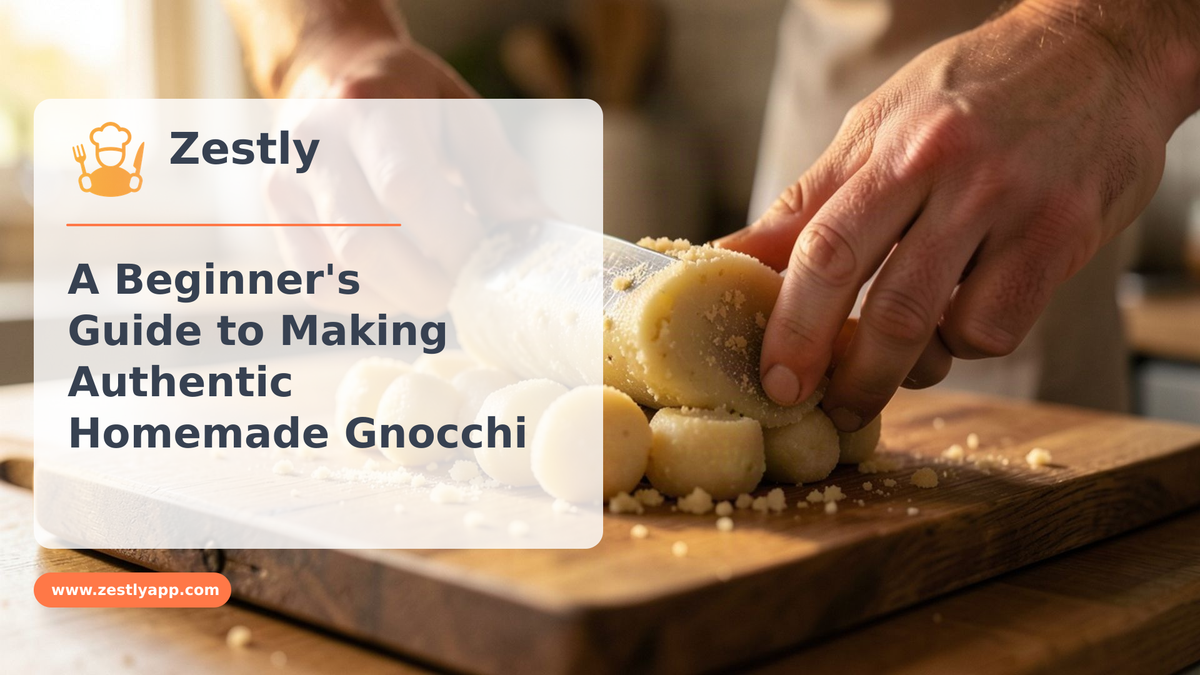
There's something magical about transforming a few humble ingredients into pillowy gnocchi. Many of us might shy away from making them at home, but with a little guidance, these delightful dumplings can be a regular guest at your table. Let’s dive into the art of making authentic homemade gnocchi, building confidence with each step.
Gather Your Ingredients
Before we begin, ensure you have the following ingredients on hand:
- 2 pounds of russet potatoes
- 1 cup of all-purpose flour
- 1 large egg
- Salt, to taste
These simple ingredients combine to create the perfect gnocchi dough. Using russet potatoes is key, as their starchy texture helps achieve the desired tenderness. The starchiness of russets provides the structural integrity needed for gnocchi to hold together without becoming dense. The egg adds richness and helps bind the dough, while the flour provides just enough structure without overpowering the delicate potato flavor.
Preparing the Potatoes
- Boil the Potatoes: Start by boiling the potatoes with their skins on. This helps prevent them from absorbing too much water, which can lead to soggy gnocchi. Cook until fork-tender, about 20-25 minutes. It's crucial not to overcook them, as overly saturated potatoes can make your dough too wet.
- Peel and Rice: Once cooked, peel the potatoes while they're still hot. Use a potato ricer to mash them. This step is crucial for achieving the light, airy texture. A ricer pushes the potatoes through small holes, creating a fluffy texture without lumps. If you don't have a ricer, a fine mesh sieve can work, though it's more labor-intensive.
- Cool and Dry: Spread the riced potatoes on a baking sheet. Allow them to cool and dry slightly. This step reduces excess moisture, ensuring your dough isn’t overly sticky. Cooling also helps prevent the egg from cooking prematurely when it's added to the warm potatoes.
Making the Dough
- Mix the Dough: On a clean surface, mound the cooled potatoes and sprinkle with flour. Make a well in the center and add the egg and a pinch of salt. This classic well method lets you gradually incorporate the flour and egg, ensuring even distribution without overworking.
- Knead Gently: Carefully incorporate the ingredients using a bench scraper, then gently knead the dough. Avoid overworking it to keep the gnocchi tender. The goal is to just bring the dough together; over-kneading develops gluten, making the gnocchi tough.
- Test and Adjust: If the dough feels too sticky, add a little more flour. It should be soft but not cling to your fingers. Remember, a slightly sticky dough is better than a dry one, as it will result in lighter gnocchi once cooked.
Shaping the Gnocchi
- Roll the Dough: Divide the dough into four portions. Roll each into a rope about ¾ inch in diameter. Rolling on a floured surface will help prevent sticking. If the dough resists rolling or springs back, let it rest for a few minutes to relax the gluten.
- Cut and Shape: Cut the ropes into 1-inch pieces. To create the classic ridges, roll each piece on a fork or gnocchi board. The ridges help sauce adhere to the gnocchi, enhancing each bite with flavor.
- Check for Consistency: Ensure the gnocchi are similar in size to cook evenly. If they’re too large, they might become dense when cooked. Uniformity in size ensures that each piece cooks at the same rate, avoiding undercooked centers.
Cooking the Gnocchi
- Boil: Bring a large pot of salted water to a gentle boil. Add the gnocchi in batches to avoid crowding. Crowding causes the water temperature to drop, leading to uneven cooking.
- Cook Until They Float: Once the gnocchi float to the surface, let them cook for an additional minute for perfect doneness. Gnocchi should be tender and cooked through, with a slight toothsome quality.
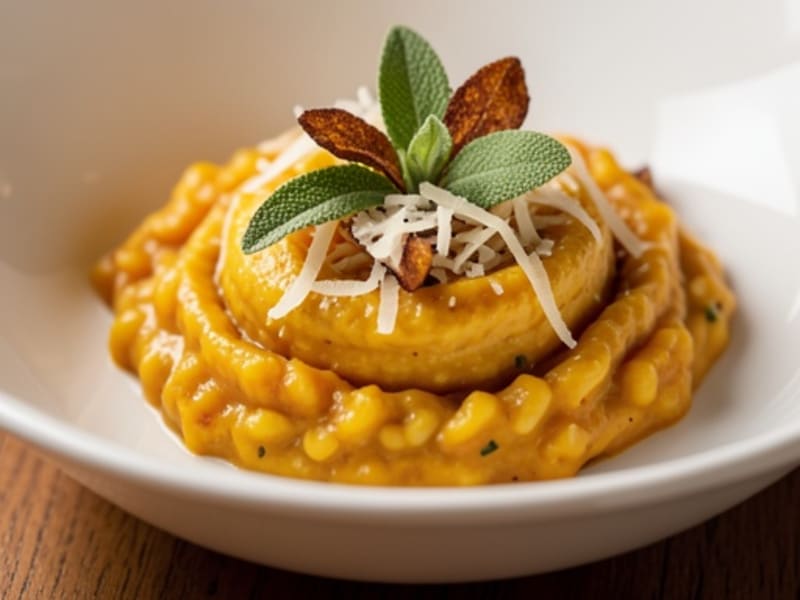
- Remove and Serve Immediately: Use a slotted spoon to transfer the gnocchi to a serving dish. Toss with your favorite sauce, like a butternut squash sage risotto or a simple browned butter and sage. Serving immediately ensures they retain their light texture; if left to sit, they can become gummy.
Common Mistakes to Avoid
- *Too Much Flour:* Resist the urge to add excessive flour. It will make the gnocchi heavy instead of light and tender. The balance of flour is crucial for achieving the delicate consistency.
- *Overworking the Dough:* Gentle handling is essential. Overkneading will develop gluten, resulting in chewy gnocchi. Less is more when it comes to handling the dough.
- *Skipping the Cooling Step:* Allowing the potatoes to cool prevents them from becoming gummy. Ensuring that the potatoes have dried sufficiently will lead to a better dough texture.
Knowing When They're Done
The tell-tale sign of perfectly cooked gnocchi is when they float to the top of the boiling water and remain there for an extra minute. They should be tender and slightly springy to the bite. If they disintegrate in the water, the dough was likely too wet or under-kneaded.
Mastering homemade gnocchi can open up a world of culinary possibilities. Pair them with dishes like our Italian beef meatballs in slow-simmered sugo for an Italian feast or enjoy them simply with Mediterranean stuffed bell peppers for a delightful meal.
For more tips on achieving flavor without excessive salt, read our guide on seasoning food without salt.
For further reading on potato varieties and their uses, check out this USDA article on potatoes.
Conclusion
Embarking on the journey of making homemade gnocchi is both rewarding and delicious. With these steps and tips, you’ll soon be crafting these delightful dumplings with ease. We invite you to explore more comforting recipes on Zestly and share the joy of cooking with those you love.
Frequently Asked Questions
What type of potatoes are best for gnocchi?
Russet potatoes are ideal for gnocchi due to their high starch and low moisture content, which help create a light, tender texture.
Why is my gnocchi dough too sticky?
Sticky gnocchi dough usually results from excess moisture. Ensure your potatoes are well-drained and cooled before mixing the dough, and add flour gradually until the dough is manageable.
Can I freeze homemade gnocchi?
Yes, you can freeze homemade gnocchi. Place them in a single layer on a baking sheet to freeze, then transfer to a resealable bag. Cook from frozen without thawing.
How do I prevent my gnocchi from falling apart while cooking?
Ensure your dough is not too soft by adding enough flour and avoid overcrowding the pot. The water should be at a gentle boil rather than a rapid one to prevent disintegration.

Written by
Matthew Weitzman
Founder, Zestly
Matthew Weitzman is the founder of Zestly, on a mission to make everyday cooking easier and more joyful. A lifelong home cook, he writes about practical techniques, smart ingredient choices, and building confidence in the kitchen.
View all posts →