Embracing Japanese Home Cooking: Ingredients and Simple Dishes
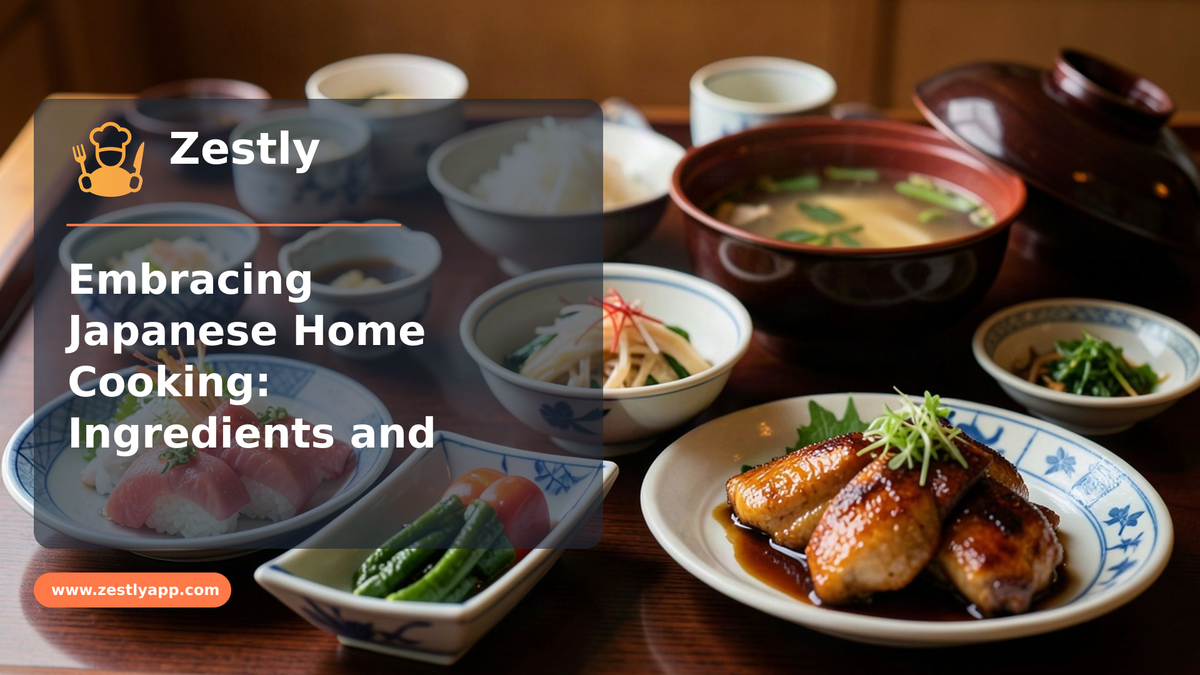
Japanese home cooking is an elegant blend of simplicity and depth, where each dish is crafted with care and tradition in mind. It showcases a harmonious balance between flavors, textures, and presentation. Let's explore the ingredients, techniques, and recipes that define this beloved cuisine, making it accessible and enjoyable for home cooks.
Staple Ingredients
At the heart of Japanese cooking are a few essential ingredients that form the foundation of many dishes. These ingredients are revered not only for their flavors but also for the cultural significance they hold.
- Rice: Japanese short-grain rice is a staple, offering a sticky texture ideal for sushi and rice bowls. It has a subtle sweetness and a pleasing chewiness that serves as the perfect canvas for various toppings and accompaniments. Properly washing the rice until the water runs clear is crucial to achieving the perfect texture, as it removes excess starch.
- Soy Sauce: A versatile seasoning, soy sauce provides depth and umami to dishes. There are several types of soy sauce, including light, dark, and tamari, each with its own unique flavor profile. Light soy sauce is typically used for seasoning, while dark soy sauce is richer and more robust, often used for color and depth.
- Miso: This fermented soybean paste is key in soups and marinades, adding a rich umami flavor. Miso comes in various types, such as white (shiro) miso, which is mild and sweet, and red (aka) miso, known for its stronger, saltier taste. Mixing different types can create a balanced flavor tailored to your dish.
- Mirin: A sweet rice wine that balances savory flavors in sauces and glazes. Its sweetness and mild acidity enhance the flavors of dishes like teriyaki and sukiyaki. When purchasing mirin, look for hon mirin, which is authentic and has a richer taste compared to mirin-flavored condiments.
- Dashi: A fundamental stock made from kombu (seaweed) and bonito flakes, forming the base for many soups and sauces. Dashi is the backbone of Japanese cuisine, providing a subtle fish flavor that enhances the umami in dishes. Instant dashi granules are a convenient alternative for quick preparation.
Signature Techniques
Japanese home cooking often features techniques that enhance natural flavors, focusing on bringing out the best in each ingredient.
- Simmering (Nimono): Ingredients are gently simmered in a seasoned broth, making dishes like nikujaga (meat and potato stew) deeply satisfying. The key is to maintain a low simmer, allowing flavors to meld without the broth becoming too concentrated. A drop lid, or otoshibuta, can help evenly distribute heat and keep ingredients submerged.
- Grilling (Yaki): Simple yet effective, grilling highlights the natural flavors of fish and meats. Techniques such as yakitori (grilled chicken skewers) and teppanyaki (grilled on an iron plate) focus on achieving a perfect charred exterior while keeping the interior juicy. Marinating proteins beforehand can enhance the flavors and keep them moist during grilling. Try using our Cedar-Plank Miso Salmon with Charred Scallion for a delightful twist.
- Steaming (Mushimono): Preserving nutrients and flavors, steaming is ideal for delicate dishes like chawanmushi (savory egg custard). The gentle heat of steaming allows for even cooking without drying out the ingredients. To prevent overcooking, ensure that the water in the steamer is at a gentle simmer rather than a vigorous boil.
Approachable Dishes to Try at Home
Ready to get started in the kitchen? Here are a few simple and delicious Japanese dishes that highlight the beauty of this cuisine:
Miso Soup
A comforting classic, miso soup is made by dissolving miso in dashi and adding tofu and scallions. Start your meal with this warm, savory soup. The key to a perfect miso soup is to avoid boiling the miso, which can alter its delicate flavors. Instead, add it at the end of cooking, off the heat, whisking until dissolved.
Teriyaki Chicken
Marinate chicken thighs in a mix of soy sauce, mirin, and sugar, then grill or pan-fry until caramelized. Serve with steamed rice and vegetables. The sugar in the marinade caramelizes beautifully, creating a glossy glaze. For an extra kick, add ginger and garlic to the marinade.
Okonomiyaki
A savory pancake filled with cabbage and topped with a variety of ingredients. It's versatile and perfect for a fun family meal. The batter should be light and just thick enough to hold the fillings together. Traditional toppings include mayonnaise, okonomiyaki sauce, bonito flakes, and aonori (seaweed powder).
Japanese Home Cooking Resources
For those eager to dive deeper, there are many resources to explore. Websites like Just One Cookbook offer comprehensive guides and recipes that cater to all skill levels. They provide detailed step-by-step instructions, making it easier to master new techniques. Additionally, our own introduction to Japanese home cooking provides insights into more ingredients and techniques, helping you build confidence in your culinary journey.
Bringing It All Together
Japanese home cooking is a delightful journey into a world where simplicity meets depth. By embracing these foundational ingredients and techniques, everyday cooks can create authentic and satisfying meals. Whether you're simmering a comforting stew or grilling a savory salmon, the joy of Japanese cooking awaits in your kitchen. These dishes do not just offer sustenance; they provide a sensory experience that speaks to the heart.
Embrace the art of Japanese cooking and bring these delightful dishes to your table. Explore more recipes on Zestly and let your culinary adventure begin! With practice, you'll not only hone your skills but also develop a deeper appreciation for the thoughtful simplicity that defines Japanese cuisine.
Frequently Asked Questions
What is the key to making good miso soup?
The key to good miso soup lies in starting with a rich dashi broth and using high-quality miso paste. Balance the flavors by adjusting the amount of miso to taste and adding ingredients like tofu or seaweed for added texture.
What makes Japanese rice different?
Japanese rice is short-grain, which means it has a higher starch content, giving it a sticky texture when cooked. This makes it ideal for sushi and rice bowls, as it holds its shape and is easy to pick up with chopsticks.
How can I make teriyaki sauce at home?
To make teriyaki sauce, combine soy sauce, mirin, sugar, and a splash of sake or rice vinegar. Heat the mixture until the sugar dissolves, then simmer until slightly thickened. Use it to marinate meats or as a glaze for grilled dishes.

Written by
Matthew Weitzman
Founder, Zestly
Matthew Weitzman is the founder of Zestly, on a mission to make everyday cooking easier and more joyful. A lifelong home cook, he writes about practical techniques, smart ingredient choices, and building confidence in the kitchen.
View all posts →