An Introduction to Japanese Home Cooking: Ingredients and Techniques
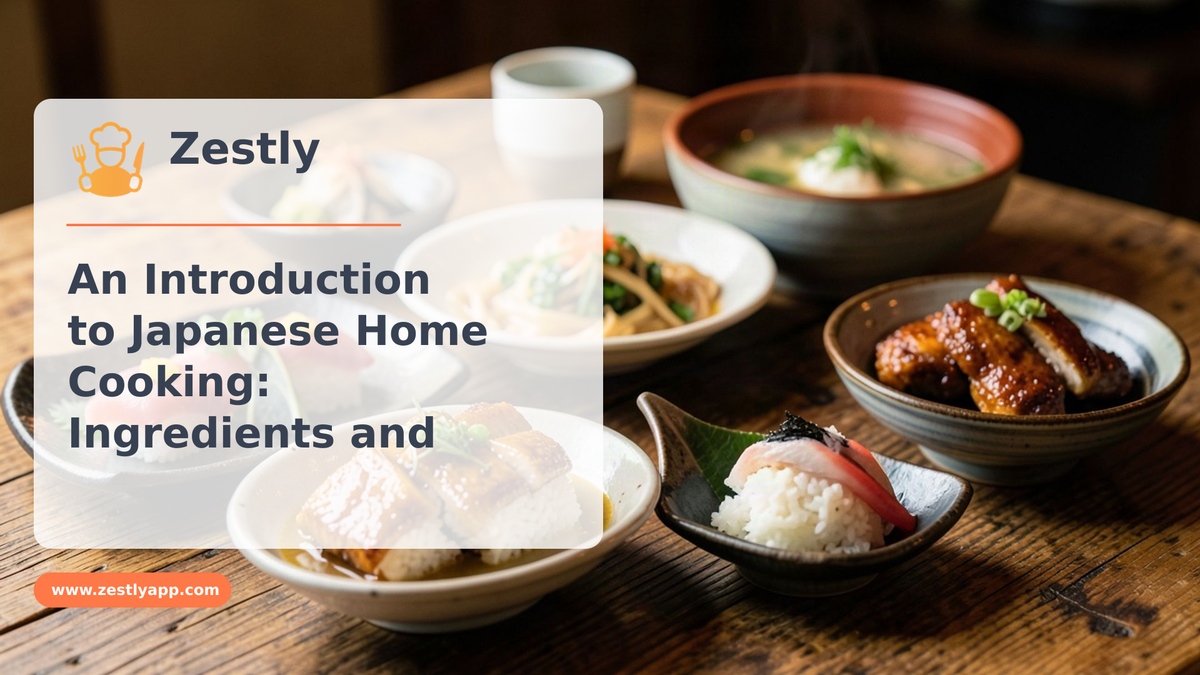
Japanese cuisine, with its emphasis on seasonal ingredients and minimalistic approach, offers a beautiful complexity that's both intriguing and accessible. Home cooks can embrace this art form and enjoy the harmonious balance of flavors and textures that Japanese food is famous for.
Essential Ingredients in Japanese Home Cooking
Japanese cooking relies heavily on a few foundational ingredients that create its distinct taste. These ingredients are versatile and often used across different dishes, making them staples in any Japanese kitchen.
- Soy Sauce: A fermented soybean product that adds depth and umami to dishes. Soy sauce is not just a condiment; it’s integral to seasoning and enhancing the natural flavors of food. Look for naturally brewed options for the best taste.
- Miso: Fermented soybean paste, essential for soups and marinades. It comes in various types, such as white (shiro), red (aka), and mixed (awase) miso, each offering different intensity and flavors. White miso is sweeter and milder, perfect for light soups, while red miso is robust, ideal for hearty stews.
- Mirin: A sweet rice wine that balances salty flavors. Its subtle sweetness and mild acidity are crucial in marinades and sauces, adding a glaze to dishes like teriyaki.
- Dashi: A simple broth made from dried fish or kombu, forming the base of many soups and sauces. Dashi is the essence of umami and is as quick to make as it is transformative. The aroma of freshly simmered dashi is delicate yet invigorating, setting the stage for soups and simmered dishes.
- Rice: A staple grain, typically short-grain or sushi rice, known for its stickiness and flavor. The quality of rice can significantly affect the outcome of your dish. Rinsing rice until the water runs clear helps remove excess starch, ensuring that each grain is distinct and perfectly cooked.
These ingredients are the backbone of Japanese cuisine and can transform simple dishes into something extraordinary. To explore more about these essential ingredients, check out our glossary entries.
Signature Techniques
While Japanese cooking can be quite detailed, here are a few key techniques that every home cook should master:
- Grilling: Often done on small indoor grills, known as hibachis. This technique emphasizes quick cooking to seal in juices while imparting a smoky flavor. Proper heat control is crucial to avoid charring the food.
- Steaming: Preserves nutrients and flavors, commonly used for vegetables and fish. Steaming is gentle and ensures that the natural color and texture of food are maintained. Using a bamboo steamer can add a subtle, earthy aroma to dishes.
- Simmering: Used for dishes like nimono (simmered vegetables), which are cooked slowly to absorb flavors. The key is to keep the heat low and consistent, allowing ingredients to meld without boiling away their essence.
These methods emphasize the natural taste of ingredients and are often simple yet effective.
Approachable Japanese Dishes to Try at Home
Here are a few Japanese dishes that you can easily recreate in your own kitchen:
- Miso Soup: Start with a basic dashi broth, add miso paste, tofu, and seaweed for a comforting bowl. The miso should be dissolved off the heat to preserve its probiotics and avoid a grainy texture.
- Teriyaki Chicken: Marinate chicken thighs in soy sauce and mirin, then grill for a savory-sweet meal. Achieving the perfect caramelization requires patience; allow the sauce to reduce slowly without burning.
- Onigiri: Rice balls filled with a variety of ingredients like pickled plums or salmon, perfect for a quick snack. Use slightly salted hands to shape the rice; this seasons the rice and helps prevent sticking.
For a modern twist on a Japanese classic, try our Cedar-Plank Miso Salmon with Charred Scallion.
Cultural Significance of Meals
In Japan, the act of eating is as important as the food itself. Meals are often seen as a time to gather family and friends, with an emphasis on sharing and gratitude. This cultural context enriches the dining experience and creates a mindful approach to cooking and eating. The phrase "Itadakimasu," said before meals, signifies this gratitude and respect for those who have prepared the meal and the ingredients themselves.
Bringing Japanese Flavors into Your Kitchen
To truly understand and enjoy Japanese cuisine, sourcing quality ingredients is key. While some items may seem exotic, many are available in local grocery stores or online. It’s about starting simple and allowing your palate to appreciate the delicate flavors. Authenticity in flavor often starts with the quality of the ingredients, so invest in good soy sauce and fresh miso to start. Additionally, experimenting with traditional Japanese utensils like a rice cooker or a bamboo sushi mat can also enhance your cooking experience.
For more inspiration, peek into how other cuisines build their flavors, like our Beginner's Guide to Mexican Salsas.
Expanding Your Culinary Horizons
Japanese home cooking is not just about replicating recipes. It’s about learning the essence of the cuisine and using it to expand your culinary horizons. By understanding the key ingredients and techniques, you can bring a taste of Japan into your home. Moreover, Japanese cuisine encourages a respect for nature and the seasons, prompting cooks to use the freshest ingredients available and adapt to nature’s offerings.
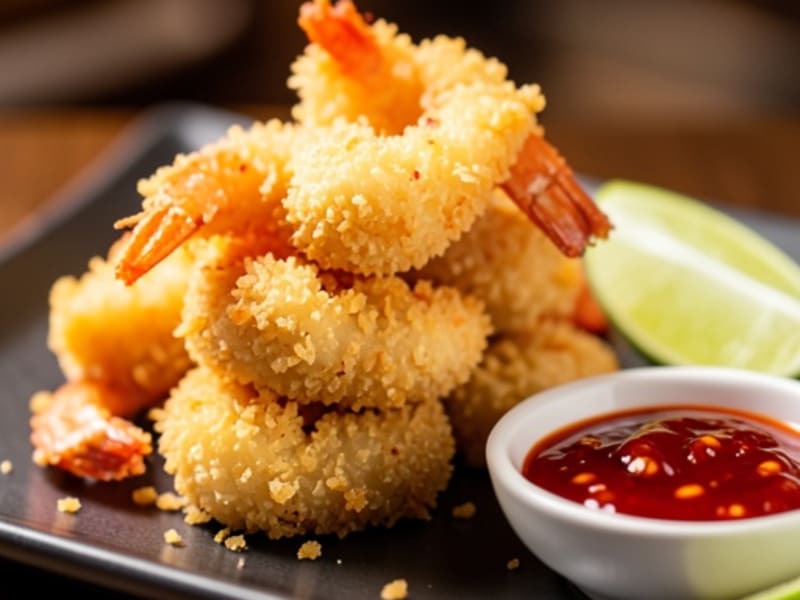
For those curious about how other ingredients can transform your dishes, explore our Crispy Coconut Shrimp with Sweet Chili Sauce.
Japanese cuisine offers us a world of flavors waiting to be explored. Whether you're new to this culinary tradition or looking to deepen your understanding, remember that each dish you create is a step into a vibrant culture. Let’s start crafting these delightful Japanese meals in our kitchens today!
Frequently Asked Questions
What are the basic ingredients needed for Japanese cooking?
Essential ingredients for Japanese cooking include soy sauce, miso paste, mirin, dashi, and rice. These staples form the base of many Japanese dishes and are crucial for achieving authentic flavors.
What is dashi and how is it used?
Dashi is a simple Japanese broth made from dried fish or kombu seaweed. It's used as a base for soups, sauces, and other dishes, imparting a subtle umami flavor that enhances the overall taste.
How can I start cooking Japanese food at home?
Begin with simple recipes like miso soup, teriyaki chicken, or onigiri. Focus on sourcing quality ingredients and mastering basic techniques such as grilling and simmering to capture authentic Japanese flavors.
What is the role of rice in Japanese cuisine?
Rice is a staple in Japanese cuisine, often served as a side dish or base for meals. Short-grain or sushi rice is preferred for its sticky texture, making it ideal for dishes like sushi and onigiri.

Written by
Matthew Weitzman
Founder, Zestly
Matthew Weitzman is the founder of Zestly, on a mission to make everyday cooking easier and more joyful. A lifelong home cook, he writes about practical techniques, smart ingredient choices, and building confidence in the kitchen.
View all posts →