An Introduction to Cooking Authentic Thai Food at Home
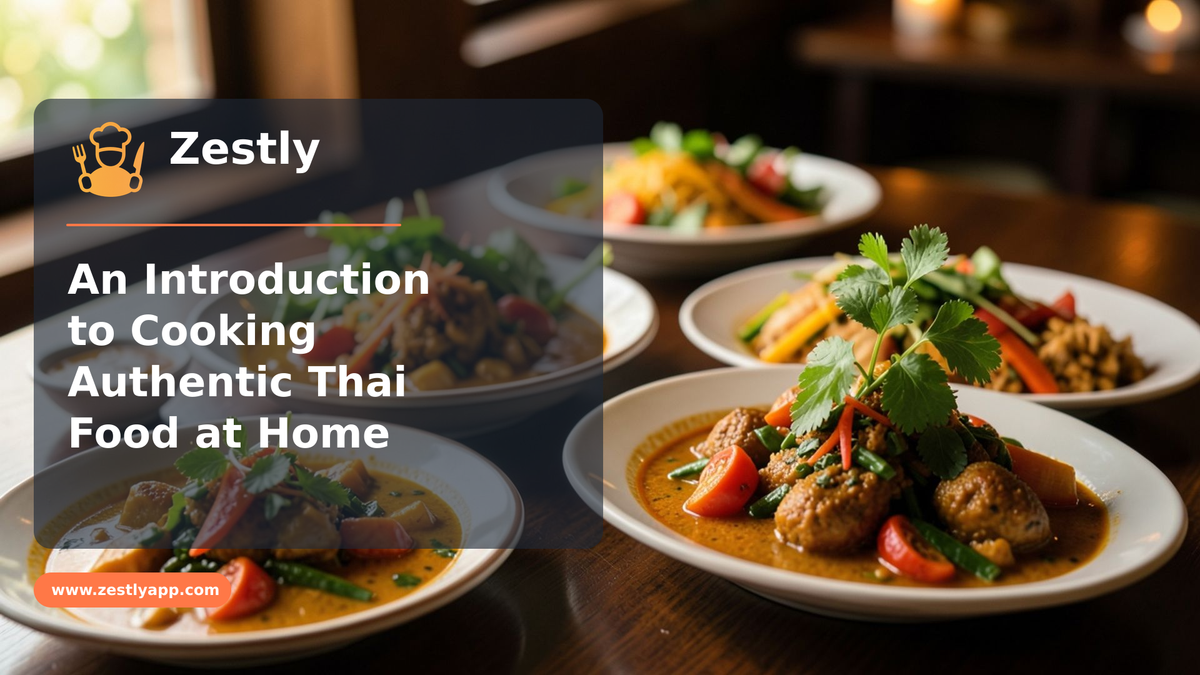
Thai cuisine is a feast for the senses, blending fragrant spices, vibrant colors, and complex flavors into every bite. The beauty of Thai food lies in its balance of sweet, salty, sour, and spicy. Let's dive into the essentials of Thai cooking, so you can recreate these delicious dishes in your own kitchen.
Staple Ingredients
To cook authentic Thai food, it's essential to start with the right ingredients. Thai cuisine relies heavily on fresh herbs, spices, and condiments that can be found in most Asian grocery stores. These ingredients don't just contribute flavor; they also add aroma and color, enriching the overall dining experience.
- Lemongrass: This aromatic herb adds a citrusy note to many Thai dishes. Its refreshing and tangy flavor is essential for creating authentic soups and curries. When buying lemongrass, look for firm stalks with a strong fragrance.
- Kaffir lime leaves: Their unique flavor is essential in curries and soups. These leaves add a zesty aroma and a burst of citrus flavor. They are often used whole or finely sliced to infuse dishes with their bold scent.
- Galangal: A relative of ginger, galangal has a sharp, peppery taste. It's a key ingredient in Thai curries and soups, providing a spicy, earthy undertone. Fresh galangal is preferred over dried or powdered to maintain its pungency.
- Fish sauce: This salty condiment is a cornerstone of Thai cooking. Made from fermented fish, it adds umami depth and a savory note. It's crucial to use high-quality fish sauce to avoid overly fishy or salty flavors.
- Thai basil: Different from sweet basil, it has an anise-like flavor. Thai basil is often added to stir-fries and curries, where it releases its distinctive aroma and enhances the dish's complexity.
These ingredients, when combined, create the distinctive taste that Thai food is known for. For a deeper understanding of how to use these ingredients, you might explore this guide on Thai ingredients.
Signature Techniques
Thai cooking techniques focus on preserving the natural flavors of ingredients. Here are some key methods that highlight the freshness and vibrancy of Thai cuisine:
- Stir-frying: Quick cooking over high heat retains the crunch and color of vegetables. This method is ideal for dishes like Pad Thai or a Thai Basil Tempeh Stir-Fry, where maintaining the texture of vegetables and tofu is crucial.
- Simmering: Used in soups and curries to meld flavors gently. Simmering allows the ingredients to infuse their flavors gradually, creating a rich and balanced taste. A well-simmered curry showcases the depth of spices and the creaminess of coconut milk.
- Pounding: Often done with a mortar and pestle to release the oils and flavors from herbs and spices. Pounding fresh ingredients like garlic, chilies, and lemongrass enhances their flavors and aromas, making them more pronounced in the dish.
- Grilling: Adds a smoky depth to meats and seafood. Grilled dishes, such as skewers or seafood, benefit from the smoky char that enhances their natural flavors and adds a layer of complexity.
Mastering these techniques will help you bring authentic Thai flavors to your table. For more on cooking techniques, you might find Serious Eats' Thai cooking techniques insightful.
Approachable Dishes to Try
You don't have to be a seasoned chef to enjoy cooking Thai food at home. Here are a few dishes to get you started, each offering a taste of Thailand's culinary diversity:
- Pad Thai: This classic noodle dish is a perfect blend of savory, sweet, and sour. It's a great starting point for those new to Thai cooking, as it incorporates essential flavors and techniques.
- Green Curry: Made with a vibrant green curry paste, coconut milk, and your choice of protein, like chicken thighs. This dish showcases the creamy and spicy side of Thai cuisine.
- Tom Yum Soup: A hot and sour soup that exemplifies the balance of flavors in Thai cuisine. The combination of lemongrass, kaffir lime leaves, and chilies creates a refreshing and invigorating soup experience.
- Thai Basil Tempeh Stir-Fry: A delightful, vegetarian-friendly option that's easy to prepare. Check out our recipe here.
For more inspiration on using chicken in Thai dishes, you might explore our Sous Vide Coconut Lime Chicken with Cilantro Cauliflower Rice.
Balancing Flavors
What sets Thai cuisine apart is its intricate balance of flavors. Here's how to achieve it, ensuring each dish captures the essence of Thai cooking:
- Sweetness: Often comes from palm sugar or coconut milk. These ingredients soften spicy and sour notes, creating a smooth, rounded taste.
- Sourness: Lime juice and tamarind are common sources. These acidic elements add brightness and a refreshing tang that cuts through richness.
- Saltiness: Fish sauce and soy sauce are key. They contribute depth and umami, enhancing other flavors without overpowering them.
- Spiciness: Fresh chilies or chili paste add heat. Adjusting the level of spice can tailor the dish's intensity, allowing you to find the perfect balance for your palate.
Adjusting these elements allows you to tailor each dish to your taste, ensuring a harmonious and satisfying meal. For more tips on seasoning, consider our guide on how to season food like a chef.
Enhancing Your Thai Cooking Skills
For those looking to deepen their understanding, consider exploring resources like Saveur's guide on Thai ingredients or Serious Eats' Thai cooking techniques. Additionally, practicing with simple recipes such as the Mediterranean Stuffed Bell Peppers can help you develop a keen sense of balancing flavors and experimenting with spices.
Bringing It All Together
Embarking on the journey of cooking authentic Thai food at home is both rewarding and delicious. With the right ingredients, techniques, and a sense of adventure, you can enjoy the vibrant flavors of Thailand from the comfort of your kitchen. Try out some of these recipes and more on Zestly to start your Thai culinary adventure today! Whether you're preparing a quick weeknight meal or hosting a dinner party, the diverse flavors and captivating aromas of Thai cuisine are sure to delight your senses and impress your guests.
Frequently Asked Questions
What are the essential ingredients for Thai cooking?
Essential ingredients include lemongrass, kaffir lime leaves, galangal, fish sauce, and Thai basil. These create the foundational flavors of Thai cuisine.
How do you balance flavors in Thai cooking?
Balance flavors by adjusting sweetness (palm sugar), sourness (lime juice), saltiness (fish sauce), and spiciness (chilies) to create a harmonious taste.
What are some beginner-friendly Thai dishes to try?
Beginner-friendly dishes include Pad Thai, Green Curry, Tom Yum Soup, and Thai Basil Tempeh Stir-Fry, each offering a taste of authentic Thai flavors.

Written by
Matthew Weitzman
Founder, Zestly
Matthew Weitzman is the founder of Zestly, on a mission to make everyday cooking easier and more joyful. A lifelong home cook, he writes about practical techniques, smart ingredient choices, and building confidence in the kitchen.
View all posts →