Mastering Vietnamese Flavors: How to Make Pho Broth at Home
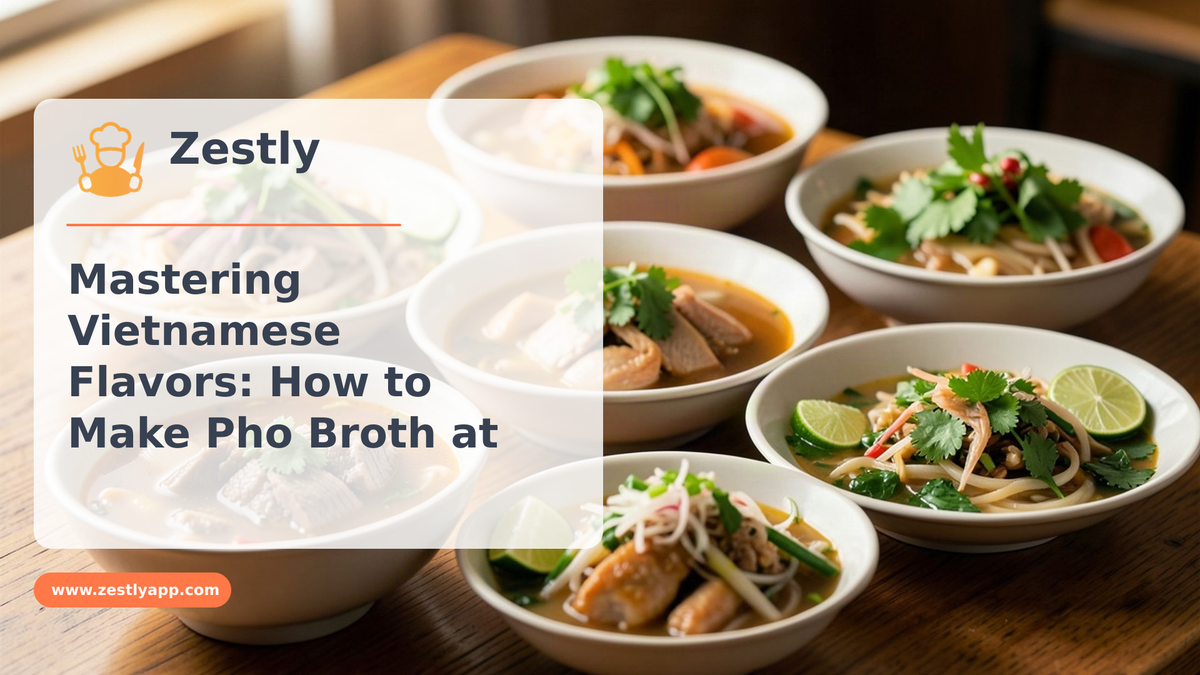
There's something magical about the aromatic allure of a well-crafted pho broth. This Vietnamese staple, with its rich, savory depth, transforms simple ingredients into something extraordinary. If you've ever wondered how to replicate this at home, we've got you covered.
The Essential Ingredients of Pho Broth
To start, we need a solid understanding of the essential ingredients that form the backbone of pho broth:
- Beef Bones: These provide the fundamental umami-rich base. Use a combination of beef steak bones and knuckles for the best flavor. The marrow and connective tissues in these bones not only contribute a rich, gelatinous texture but also deepen the broth's savory undertones. It's crucial to source high-quality bones, preferably from grass-fed beef, as they significantly enhance the flavor profile.
- Aromatics: Onion and ginger, charred for extra depth. Charring these ingredients caramelizes their natural sugars, adding a sweet smokiness that balances the broth's savory elements. The aroma of charred ginger and onion also introduces a complex layer that elevates the overall sensory experience.
- Spices: Star anise, cinnamon, cloves, and cardamom seeds add complexity. These spices infuse the broth with warmth and a touch of exotic fragrance. The star anise and cinnamon provide a sweet, licorice-like note, while cloves add a hint of spice, and cardamom offers an underlying citrusy note, creating a harmonious blend.
- Fish Sauce: A dash of this brings in the quintessential savory note. It introduces umami and a depth of flavor that is uniquely Vietnamese. Use it sparingly to avoid overpowering the broth.
- Sugar: Balances the flavors subtly. Typically, rock sugar is used for its gentle sweetness that rounds out the broth without making it overtly sugary.
Crafting the Broth: Step by Step
The beauty of pho lies in its carefully layered flavors. Here's how you can master it:
- Prepare the Bones: Begin by blanching the beef bones in boiling water for a few minutes to remove impurities. This step is crucial as it ensures a cleaner broth by getting rid of excess blood and proteins that can cloud the final product. Then rinse them thoroughly under cold water to wash away any remaining scum.
- Char the Aromatics: Over open flame or in a hot pan, char the ginger and onion until they are blackened and fragrant. It's important to achieve a deep char without burning them entirely, as this can introduce bitterness. This process should take about 5-10 minutes, with the aromas becoming deeply smoky and sweet.
- Simmer the Broth: Add the bones, charred aromatics, and spices to a large pot of water. Let it simmer gently for 6-10 hours. The long simmering time allows the flavors to meld beautifully. Keep the heat low to prevent the broth from boiling rapidly, which can make it murky. Skim any foam that rises to the top periodically to maintain clarity.
- Season and Strain: Season with fish sauce and sugar, tasting as you go. Adjust the seasoning gradually to achieve a balanced flavor. Strain the broth through a fine sieve to achieve a clear broth, free of any small particles or excess fat.
For a more detailed exploration of pho's flavor, consider reading our introduction to Japanese home cooking, which similarly emphasizes balance and depth.
Elevating Your Pho Experience
Once you've mastered the basic broth, here are some ways to transform your pho into a full meal:
Minimal Effort Ideas
- Classic Beef Pho: Simply add rice noodles, thin slices of beef steak, and fresh herbs like basil, cilantro, and mint. The fresh herbs introduce a bright, aromatic contrast to the rich broth, while the thinly sliced beef cooks quickly in the hot liquid, adding tenderness and flavor.
- Chicken Pho: Swap beef bones for chicken thighs or chicken wings. Chicken pho offers a lighter alternative, with the chicken's natural sweetness enhancing the broth. Ensure the chicken is cooked fully before serving.
- Vegetarian Pho: Use vegetable broth and tofu, seasoned with soy sauce instead of fish sauce. Incorporate mushrooms for added umami. This version maintains the essence of pho while catering to vegetarian diets.
Creative Twists
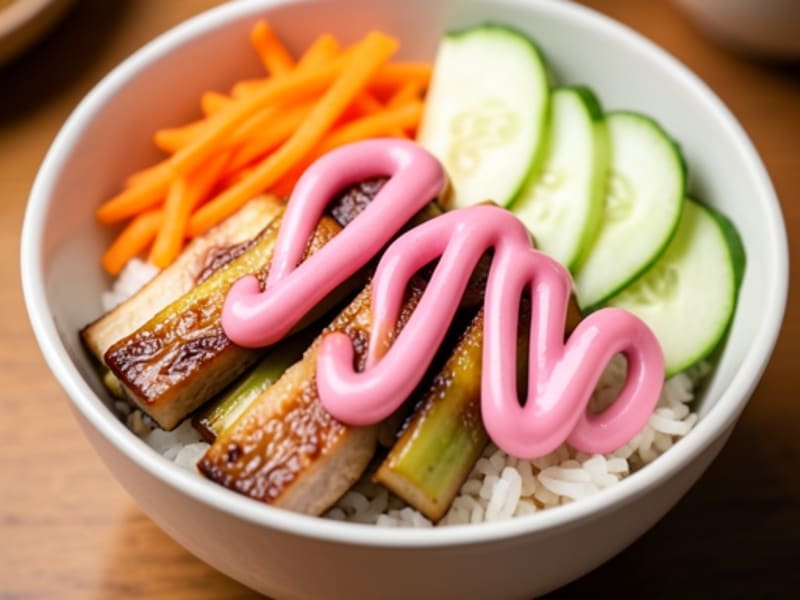
- Spicy Lemongrass Pork Banh Mi Pho: Add grilled pork from our lemongrass pork banh mi bowl. The spicy, citrusy notes of lemongrass complement the rich broth, adding a fresh twist that excites the palate.
- Seafood Pho: Incorporate shrimp or scallops for a lighter touch. The natural sweetness of seafood pairs beautifully with the aromatic broth, creating a delicate yet flavorful dish.
- Fusion Pho: Incorporate roasted Brussels sprouts or broccoli for a unique take. Roasting these vegetables brings out their sweetness, balancing the savory broth while adding texture and color.
Experimenting with Flavors
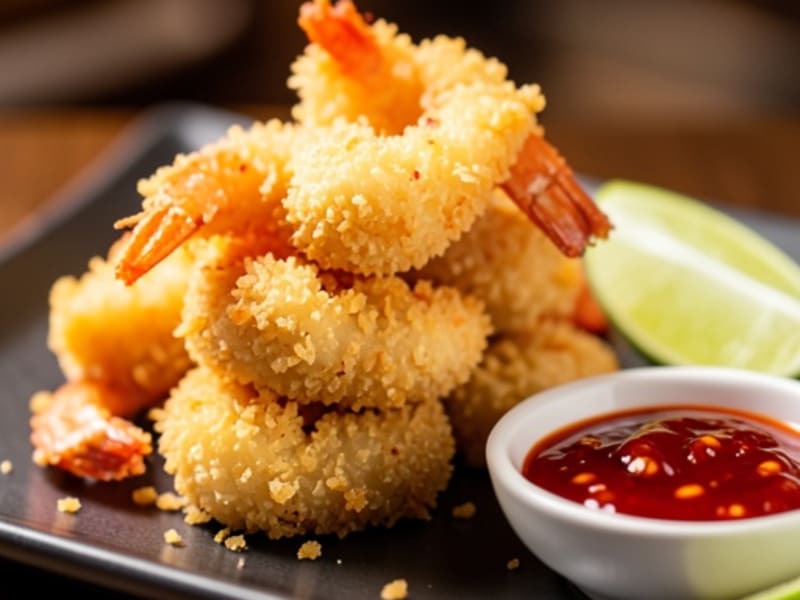
Pho is a canvas for creativity. Feel free to experiment with different spices or even explore other cuisines for inspiration. Consider adding a dash of lime juice or chili paste to introduce acidity and heat, respectively. Our crispy coconut shrimp with sweet chili sauce can be a delightful addition, combining textures and flavors beautifully.
For further reading, check out this guide by Serious Eats, which delves into the nuances of traditional pho preparation.
Conclusion
With a little patience and practice, making pho broth at home can be a rewarding culinary adventure. The key is to allow the flavors to develop slowly and savor each step. So why not gather your ingredients and start today? Explore more recipes and insights on Zestly to continue your culinary journey. Keep experimenting, and soon enough, you'll have your unique twist on this classic dish, bringing the comfort and warmth of pho into your home anytime you desire.
Frequently Asked Questions
What is the best cut of beef for pho?
The best cuts for pho are a mix of beef bones, such as marrow bones and knuckles, which provide rich flavor. Additionally, thinly sliced cuts like ribeye or brisket are traditional for serving in the soup.
Can I make pho broth in a slow cooker?
Yes, pho broth can be made in a slow cooker. Prepare the bones and aromatics as usual, then add all ingredients to the slow cooker. Cook on low for 8-10 hours for a deep, flavorful broth.
How can I make pho broth vegetarian?
To make a vegetarian pho broth, use a rich vegetable stock as a base and add charred onions, ginger, and spices like star anise and cinnamon. Season with soy sauce instead of fish sauce for depth of flavor.

Written by
Matthew Weitzman
Founder, Zestly
Matthew Weitzman is the founder of Zestly, on a mission to make everyday cooking easier and more joyful. A lifelong home cook, he writes about practical techniques, smart ingredient choices, and building confidence in the kitchen.
View all posts →