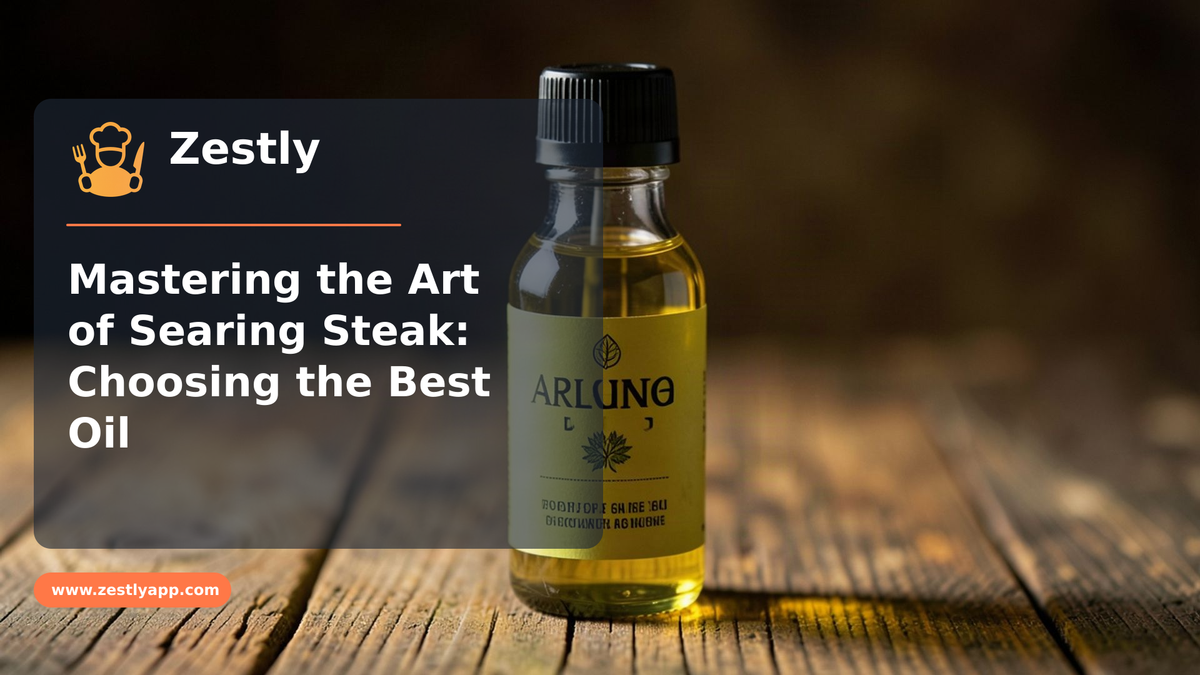
Mastering the Art of Searing Steak: Choosing the Best Oil
Searing steak is a culinary art that can elevate a simple beef steak to a restaurant-quality dish. Choosing the right oil is critical to achieving that perfect crust. Let's dive into how to select the best oil for searing steak, and avoid the common pitfalls that can compromise your meal.
Understanding Smoke Points
When it comes to searing, the smoke point of an oil is paramount. The smoke point is the temperature at which an oil starts to smoke and break down, affecting flavor and nutrition. This breakdown not only imparts a burnt or acrid taste but can also release harmful compounds. Oils with high smoke points are ideal for searing because they can withstand the high heat needed to form a delicious crust without imparting burnt or bitter flavors. Selecting oils with smoke points above 400°F (204°C) ensures that the oil remains stable, allowing you to focus on achieving that sought-after caramelized, flavorful crust.
Best Oils for Searing
- Avocado Oil: With a smoke point of around 520°F (271°C), avocado oil is excellent for high-heat cooking. Its mild flavor profile allows the natural taste of the steak to shine without interference. Additionally, avocado oil is rich in monounsaturated fats, which adds a subtle richness to the dish.
- Refined Olive Oil: Unlike extra virgin, refined olive oil has a higher smoke point of approximately 465°F (240°C), making it another great option. The refining process removes impurities, resulting in a more neutral flavor than extra virgin olive oil, which can sometimes overpower delicate flavors.
- Grapeseed Oil: This oil has a smoke point of 420°F (215°C) and a neutral flavor, providing versatility in cooking. Its clean taste ensures that the seasoning and natural flavors of the steak are at the forefront, making it a favorite among chefs for its unobtrusive nature.
- Sunflower Oil: At 440°F (227°C), sunflower oil can withstand searing temperatures while remaining flavor-neutral. It's also widely available and cost-effective, making it a practical choice for everyday cooking.
Buying and Storing Oils
When buying oils for searing, freshness is key. Oils that have gone rancid can ruin the flavor of your dish. Look for oils in dark glass bottles or opaque containers to protect them from light, which can degrade quality. This is especially important for oils high in unsaturated fats, as they are more prone to oxidation. Store oils in a cool, dark place, such as a pantry or cupboard, to maintain their integrity and prolong shelf life. Avoid keeping oils near the stove, where heat can accelerate spoilage. Additionally, always check the expiration date and consider purchasing smaller bottles if you don't use oil frequently, to ensure freshness.
Preparing Your Steak
Before searing, ensure your steak is at room temperature. This helps it cook evenly by reducing the temperature difference between the surface and the center. Pat the steak dry with paper towels to remove moisture, which can prevent a good sear. Moisture creates steam, which inhibits browning and crust formation. Season liberally with salt and pepper, or consider a dash of adobo seasoning for a flavor twist. Allowing the steak to rest after seasoning helps the salt to penetrate the meat, enhancing its flavor.
Flavor Pairings
While the steak itself is the star, the right flavor pairings can enhance your dish:
- Herbs: Thyme, rosemary, and garlic can be basted with the steak during cooking. Their aromatic oils are released in the hot pan, infusing the steak with subtle, earthy notes.
- Acidic elements: A squeeze of lemon or a drizzle of apple cider vinegar can brighten the flavors, cutting through the richness of the steak and balancing the palate.
- Cheese: Pair with aged cheddar for a savory depth. The sharp, nutty flavors of aged cheese complement the umami richness of the meat.
Cooking Techniques for Searing
- Pan Searing: Heat your pan until it's very hot. Add your oil and wait for it to shimmer, a sign that it's reached the right temperature. Place the steak in the pan, allowing it to sear undisturbed for a few minutes to develop a crust. Avoid moving the steak too soon, as this can tear the crust and release juices.
- Reverse Searing: Start by cooking the steak slowly in the oven until almost done. Finish by searing in a hot pan for a caramelized crust. This technique ensures even cooking and a perfectly pink interior.
- Grill Searing: Preheat the grill on high. Sear each side of the steak directly over the heat, then move to indirect heat to finish cooking. This method imparts a smoky flavor that complements the natural taste of the beef.
- Sous Vide and Sear: Cook the steak in a sous vide bath to your desired doneness, then sear quickly in a hot pan for texture. This technique offers precise control over the finished temperature, ensuring a consistent result every time.
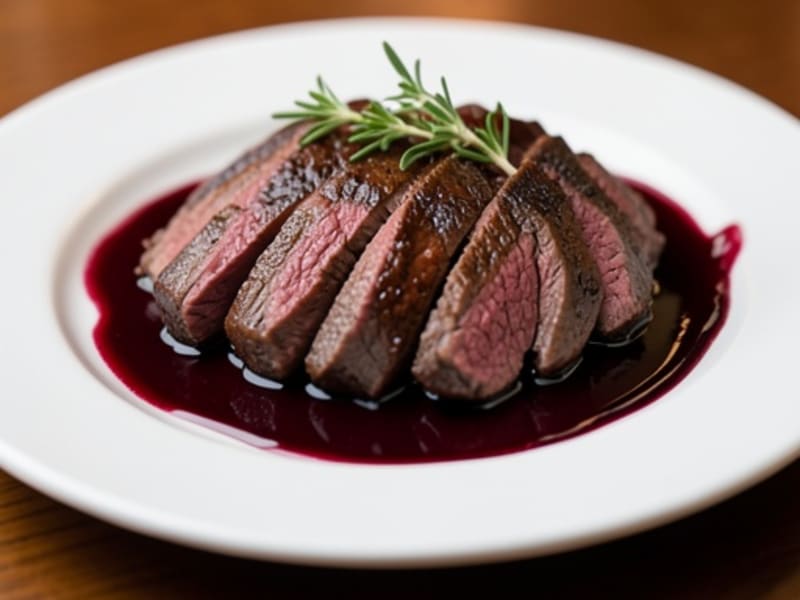
For an indulgent twist on steak, try our Seared Hanger Steak with Red Wine Shallot Sauce for a rich, savory experience.
For more tips on pairing and cooking techniques, our Grilled Skirt Steak with Charred Salsa Roja is another delicious option.
Avoiding Common Mistakes
- Wrong Oil: Using oil with a low smoke point can result in burnt flavors and off-putting aromas. Always choose oils suitable for high-heat cooking.
- Low Heat: Failure to preheat your pan sufficiently results in a lackluster crust. Ensure your pan is hot enough before adding the steak; a drop of water should sizzle and evaporate instantly.
- Overcrowding the Pan: This creates steam, preventing a proper sear. Cook in batches if necessary, allowing space for the heat to circulate and develop a crust.
For more cooking insights, explore our guide on Garlic Confit: A Comprehensive Guide to Buying, Prepping, and Cooking.
To dive deeper into the science of cooking oils, Serious Eats offers a detailed breakdown of smoke points and culinary uses.
Mastering the art of searing steak starts with choosing the right oil and using it effectively. Whether you're preparing a casual dinner or an elaborate feast, the right techniques will ensure your steak is always a hit. Ready to experiment? Check out more steak recipes on Zestly and elevate your next meal.
Frequently Asked Questions
What is the smoke point of avocado oil?
Avocado oil has a smoke point of approximately 520°F (271°C), making it suitable for high-heat cooking methods like searing.
Can I use extra virgin olive oil for searing steak?
Extra virgin olive oil is not ideal for searing due to its lower smoke point of around 375°F (191°C), which can lead to burning and off-flavors.
How should I store cooking oils?
Store oils in a cool, dark place in tightly sealed containers to protect them from light and heat, which can degrade quality and flavor.
Why is my steak not searing properly?
Improper searing can be due to insufficient pan heat, overcrowding the pan, or using an oil with a low smoke point that burns easily.

Written by
Matthew Weitzman
Founder, Zestly
Matthew Weitzman is the founder of Zestly, on a mission to make everyday cooking easier and more joyful. A lifelong home cook, he writes about practical techniques, smart ingredient choices, and building confidence in the kitchen.
View all posts →