Everything You Need to Know About Cooking with Shallots
In the world of culinary delights, shallots often play the unsung hero, quietly elevating dishes with their subtle sweetness and nuanced flavor. Whether you're crafting a delicate sauce or a robust stew, shallots can transform your cooking. Let's explore everything you need to know about this versatile ingredient.
What Are Shallots?
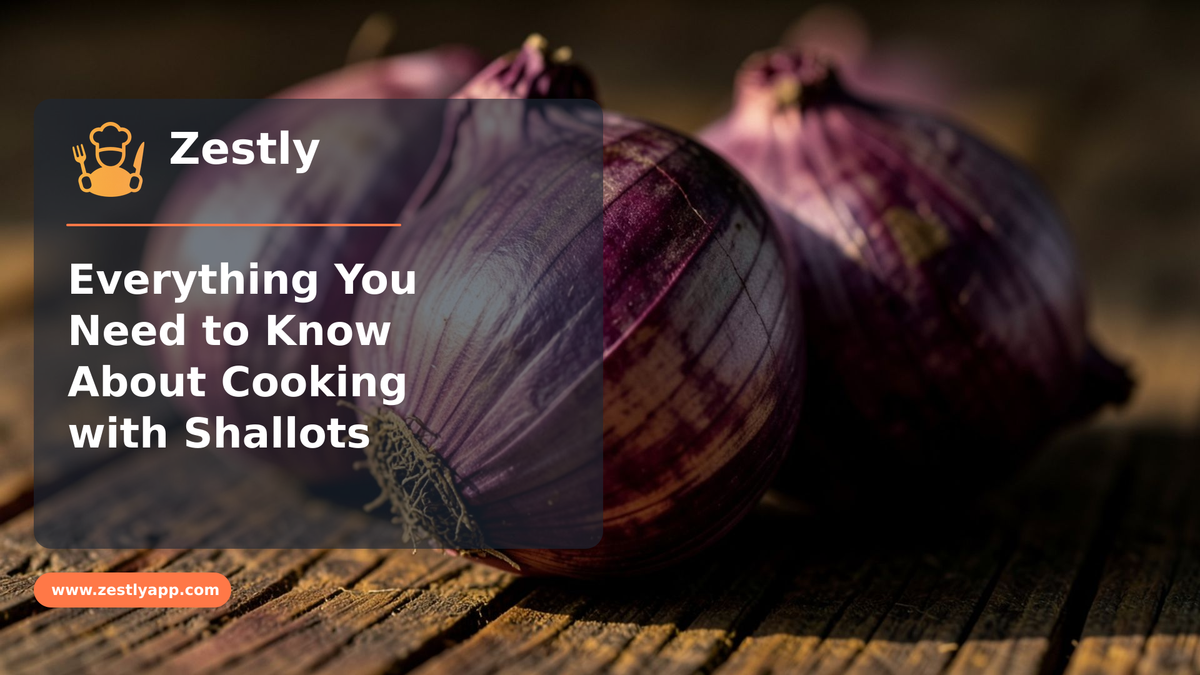
Shallots are alliums, closely related to onions, garlic, and leeks. They have a milder, sweeter taste than their onion cousins, making them perfect for dishes that require a gentle touch. Their thin layers and purple-tinged skin enclose a crisp, aromatic flesh that can be used raw or cooked. Shallots add a sophisticated flavor profile without overpowering other ingredients. Compared to onions, their flavor is less pungent, allowing them to blend seamlessly into recipes without dominating. This makes them a preferred choice for dressings, vinaigrettes, and as a base for sauces where a more delicate flavor is desired.
How to Buy and Store Shallots
When buying shallots, look for bulbs that are firm, dry, and free from sprouts or soft spots. The skin should be shiny and taut, indicating freshness. Shallots are usually available year-round, but their peak season is fall through spring. Buying them during these months often ensures the best quality and flavor, as they are harvested at their prime.
- Storage Tips:
- Store shallots in a cool, dark place with good air circulation. A pantry or cellar works well, provided it is dry.
- Keep them away from potatoes to prevent sprouting. Potatoes emit moisture and gases that can accelerate spoilage.
- Properly stored, shallots can last up to a month, allowing you to keep them on hand as a staple ingredient.
Preparing Shallots for Cooking
Prepping shallots is straightforward but requires a little attention to maximize their flavor potential. Here's how you can do it efficiently:
- Remove the papery outer skin by peeling it like an onion. This can be done easily by slicing off the tip and gently pulling away the layers.
- Trim the ends, but be careful to keep the root end intact if you're slicing, as it helps hold the layers together. This can prevent them from falling apart during cooking, maintaining a uniform appearance.
- Slice or dice according to your recipe's requirements. For a fine mince, use a sharp knife to achieve even pieces. A mandoline can also be used for thin, uniform slices.
Flavor Pairings
Shallots have a unique ability to complement a wide array of flavors, enhancing both savory and sweet elements in a dish. Here are some excellent pairings:
- Herbs: Thyme, rosemary, and sage all marry well with the subtle sweetness of shallots, adding depth to any dish.
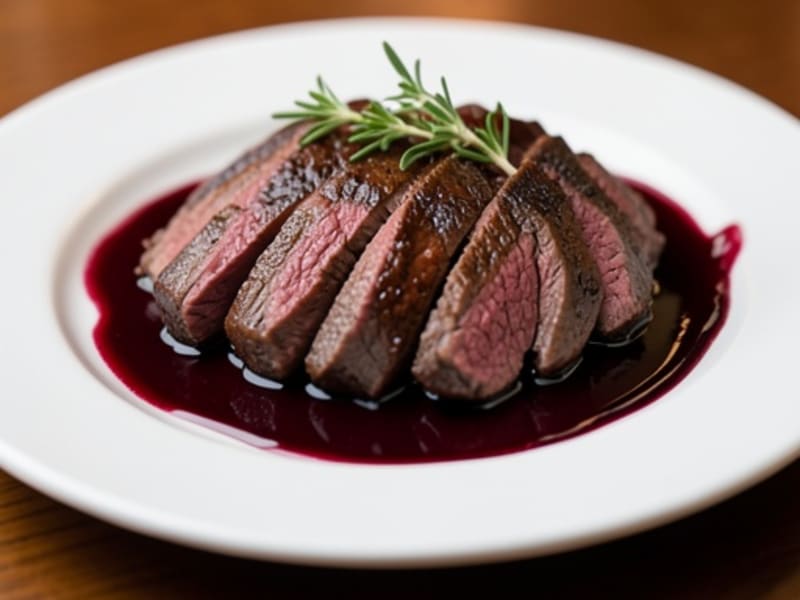
- Proteins: Chicken, beef steak, and seafood benefit from the gentle, aromatic qualities of shallots. Try incorporating them into a seared hanger steak with red wine shallot sauce for an elevated dining experience.
- Vegetables: Brussels sprouts, bell peppers, and beets can be enhanced by the sweetness of shallots, bringing out their natural flavors.
- Condiments: Dijon mustard, balsamic vinegar, and soy sauce complement shallots, creating complex layers of flavor.
Cooking Techniques
There are multiple ways to incorporate shallots into your cooking, each bringing out its distinct flavor. Understanding these techniques can help you choose the right one for your dish.
1. Caramelizing
Slowly cook sliced shallots in butter or oil over low heat until they turn golden brown. This method enhances their natural sweetness and creates a rich, deep flavor, perfect for topping dishes like a seared hanger steak with red wine shallot sauce. Caramelized shallots can also serve as a luxurious addition to mashed potatoes or pasta dishes.
2. Roasting
Toss whole or halved shallots in olive oil, then roast them in the oven until tender and slightly charred. Roasted shallots develop a sweet, mellow flavor that complements roasted vegetables like Mediterranean stuffed bell peppers or a simple roast chicken. They can also be pureed into a creamy soup base or added to a grain salad for texture and taste.
3. Sautéing
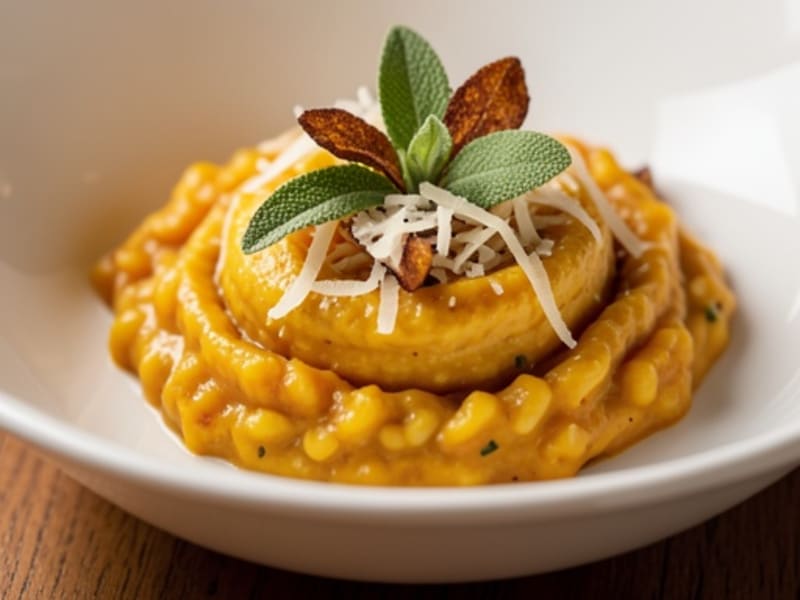
Quickly cook sliced shallots in a hot pan with a bit of oil or butter. This technique is ideal for adding depth to soups, stews, and risottos, such as our butternut squash sage risotto. Sautéing shallots can also be the first step in building flavor for a stir-fry or a creamy sauce.
4. Pickling
Combine sliced shallots with vinegar, sugar, and spices for a quick pickle. The result is a tangy condiment that adds brightness to sandwiches, salads, or even a lobster roll with brown butter and chives. Pickled shallots can also be a zesty addition to tacos or grain bowls, providing a burst of acidity and crunch.
Conclusion
Shallots are a versatile and flavorful addition to any kitchen. Whether you're caramelizing them for a rich sauce or simply adding them to a salad, they bring a unique touch to your dishes. Ready to try something new? Explore our recipes on Zestly and let shallots elevate your cooking game. Their ability to blend seamlessly with other ingredients makes them an essential part of any home cook's repertoire.
For more information on alliums, check out Serious Eats or explore the USDA's database for nutritional details. If you're feeling adventurous, try incorporating shallots into a Thai Basil Tempeh Stir-Fry to explore their versatility in different cuisines.
Frequently Asked Questions
What is the difference between shallots and onions?
Shallots are milder and sweeter than onions, with a more subtle flavor. They have a finer texture, making them ideal for raw applications or delicate dishes where onions might overpower other ingredients.
Can shallots be substituted for onions?
Yes, shallots can be substituted for onions, though the flavor will be sweeter and less pungent. Use them in equal amounts, or more for a milder taste. They work well in recipes where a less overpowering onion flavor is desired.
How long do shallots last?
When stored properly in a cool, dry, and dark place with good air circulation, shallots can last up to a month. Avoid storing them near potatoes, as this can lead to sprouting.
Are shallots good for your health?
Yes, shallots are nutritious, providing vitamins, minerals, and antioxidants. They are low in calories and may support heart health, thanks to their anti-inflammatory and cholesterol-lowering properties.

Written by
Matthew Weitzman
Founder, Zestly
Matthew Weitzman is the founder of Zestly, on a mission to make everyday cooking easier and more joyful. A lifelong home cook, he writes about practical techniques, smart ingredient choices, and building confidence in the kitchen.
View all posts →