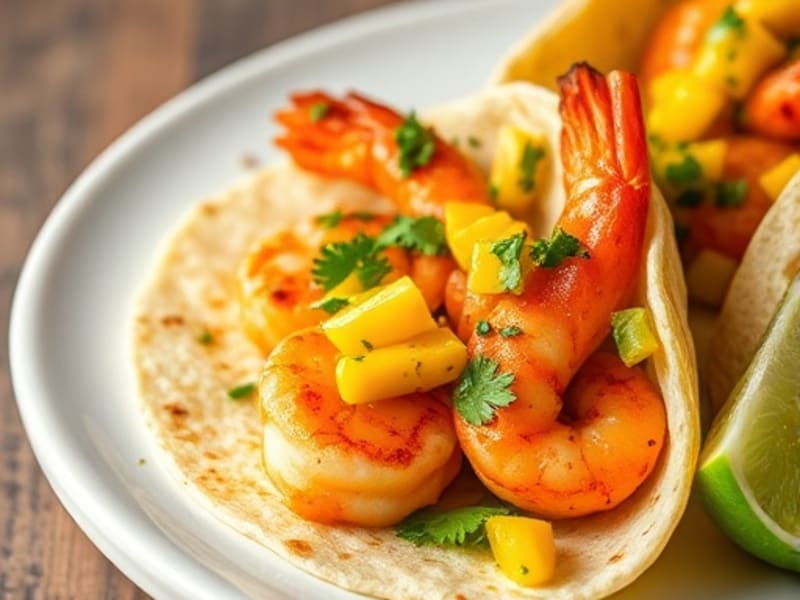
Let’s dive into the world of shrimp, a beloved little sea critter that brings a splash of ocean magic to countless dishes worldwide. Knowing more about these crustaceans might just spice up your kitchen game. So, let's chat about their origin, how they end up on our plates, and how you can make the most of them.
What is Shrimp Anyway?
These tiny marine creatures have elongated bodies and ten legs, which is kinda interesting if you're into counting things like that. They hang out in oceans and rivers everywhere. Sometimes they get mixed up with prawns, same family but not exactly twins. Shrimp usually come with a charming curl, while prawns like to keep it straight (more or less). In cooking? Well, we call them whatever fits the dish best!
A Little Peek Into Their Past
People have been dining on shrimp since forever, or at least as long as history books can tell us. With trade routes buzzing and seafood spreading, shrimp found their way onto plates globally. Wild ones are still around, but farms pitch in too with different flavors like white or pink ones stealing the spotlight here and there.
How to Cook These Delightful Critters
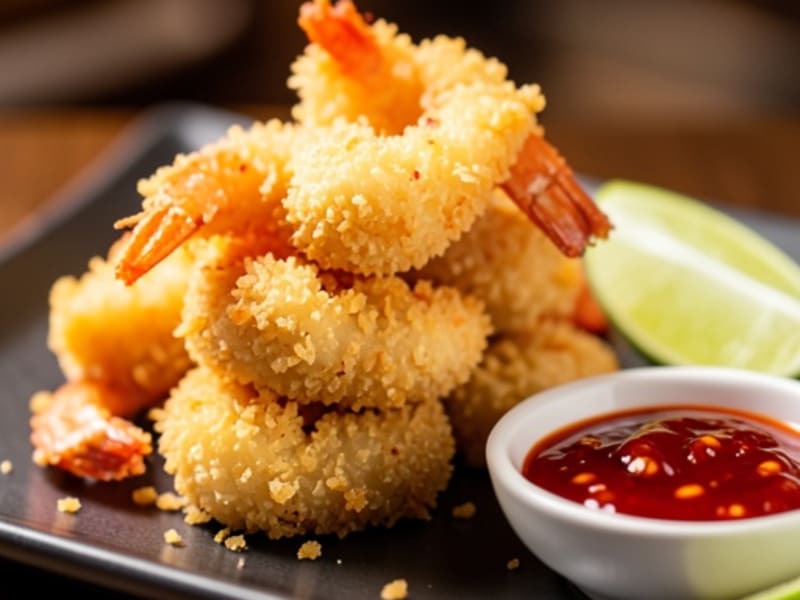
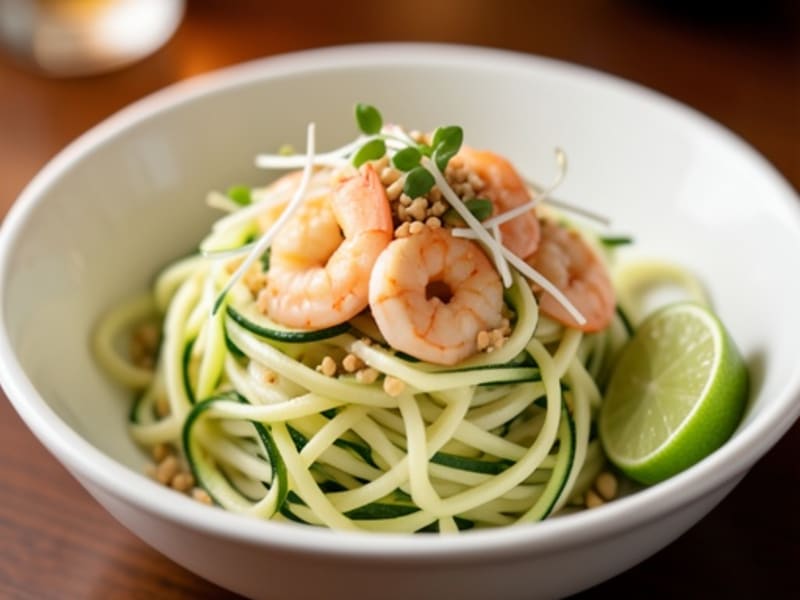
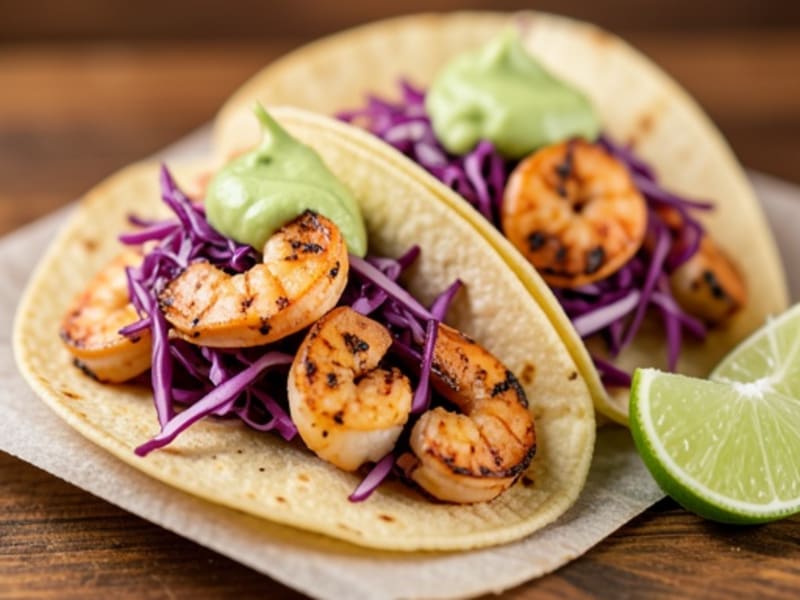
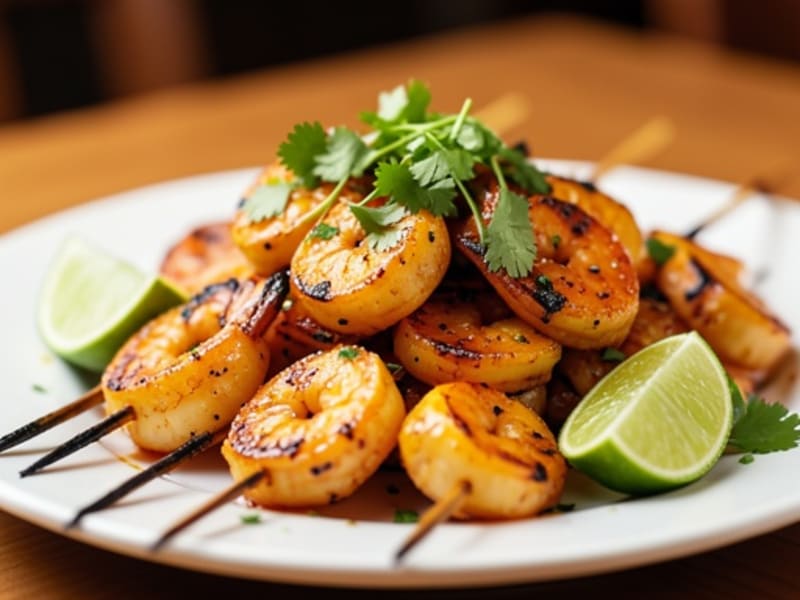
Where do we start? You can toss shrimp onto the grill, sauté them quickly, fry 'em up golden-brown, or go simple with steaming or boiling. They're stars in classics like scampi or spicy curries, not to mention tasty gumbo and paella standouts! Ever tried ceviche? That's a fun one too. Shell-on folks say it brings an extra flavor punch; quick cooks love how fast they sizzle for those busy nights.
Why They’re Good for You
So it's not all about taste, shrimp pack quite the health kick! They're chock-full of lean protein perfect for helping muscles recover after a workout or maybe chasing kids around (whatever burns more calories). You'll also get selenium for immune boosts and vitamin B12 to keep those nerves feeling fine-tuned. Got cholesterol worries? No need to stress, eating shrimp won't mess much with levels.
Keeping Them Fresh: Tips on Selection and Storage
Shopping for shrimp? Think firm texture plus a gentle sea smell, avoid any sharp ammonia scents (unless you enjoy walking on the wild side) along with odd spots unless they're meant to be spot prawns! Generally frozen ones are top-notch unless fresh is local, they last longer this way too (bonus!). Thaw slowly if frozen; patience pays off every time.
And hey, weirdly enough prawns aren't strangers either...or lobsters or crayfish...variety keeps it spicy right? Different shapes or sizes often lead cooks astray initially till they discover favorite flavors perfectly suitable between dinner prep sessions returning over several attempts at perfecting personal touches adjusted uniquely matching varying taste preferences coming possibly later again surprisingly once pleased home audiences repeatedly dine supremely satisfied almost indescribably yet naturally true! Want new recipes