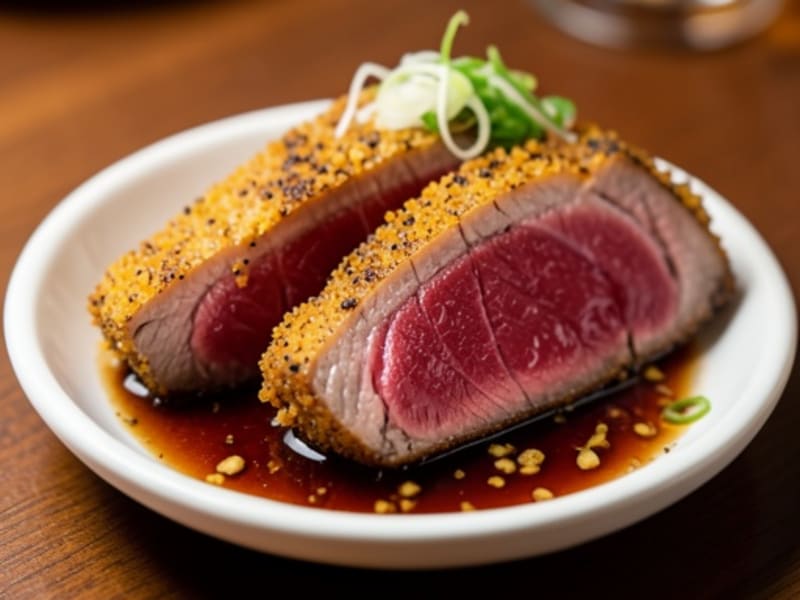
When we talk about ahi tuna steaks, we're referring to those special cuts from yellowfin and bigeye tuna, fish known for their speed and impressive size. They're super prized because of their firm, richly hued flesh. Now, when they're truly fresh, the color can range from a striking ruby red to a more subdued pink, which is often a good sign. Thanks to its mild and slightly meaty taste, ahi tuna has found a cozy spot in both high-end restaurants and casual cooking settings. Picture it: thick, satisfying slices that totally look like beef steaks.
The word "Ahi" comes from Hawaii and originally covered both these types of tuna. Historically speaking, Pacific communities relied on these fish as a food staple, catching them using traditional methods like handlines. Fast forward to modern times, commercial fishing and better refrigeration have catapulted ahi tuna into global fame. Its fans span across continents and different regional cuisines; it's kinda got that universal allure.
In the culinary world? Ahi tuna is like clay in an artist’s hands, ridiculously versatile. One of the top methods folks love is searing it quickly over high heat, leaving the center all succulent and rare or medium-rare if you prefer. Many gravitate toward dishes like sesame-crusted tuna for that contrast in texture and flavor. But hey, why stop there? You can grill it, bake it, even enjoy it raw! We're talking luscious sashimi or a colorful poke bowl that looks straight out of a culinary magazine.
Let’s not forget the health perks packed in ahi tuna, loads of them! Think lean protein to keep your muscles on point or heart-boosting Omega-3 fatty acids promoting your heart’s longevity while keeping your brain sharp. Plus, you're getting Vitamins D and B12 along with other vital goodies like selenium and niacin that are must-haves for overall health support. It’s amazing what eating ahi can do for you, total win-win!
On the shopping front for ahi steaks? Be sure they’re firm and glistening with vibrant color, rich reds or pinks are what you're aiming for. Dodge any that look tired or smell too fishy; those are definitely past their prime. High-quality ones have this clean sea breeze scent that'll take you right to the oceanfront just by breathing it in! Plan to cook them one to two days after buying if fresh; storing them where it's really cold makes a big difference (hint: put some ice on ‘em). For keeping longer? Wrap up those bad boys tight before tossing them in the freezer to dodge freezer burn down the line, it matters! Thaw patiently when you're ready to dive back in.
Now you're set on ahi knowledge, it’s quite a thing to savor!