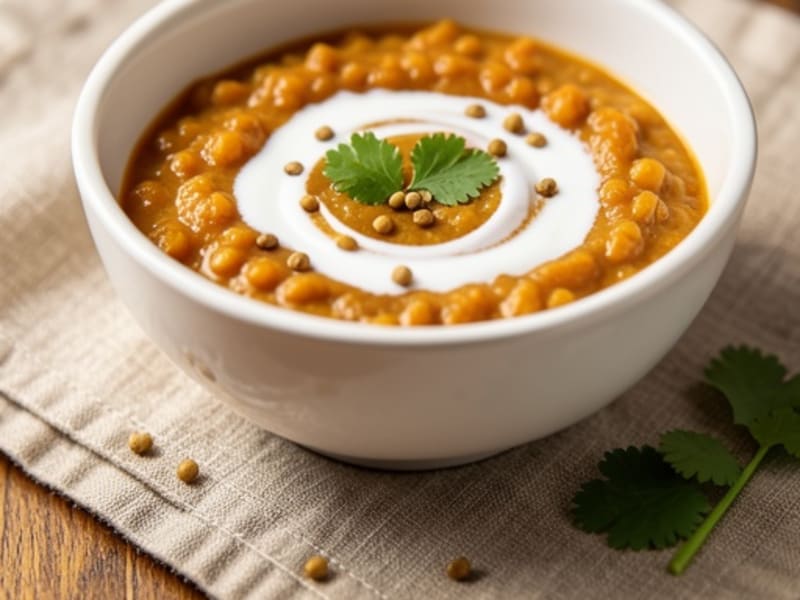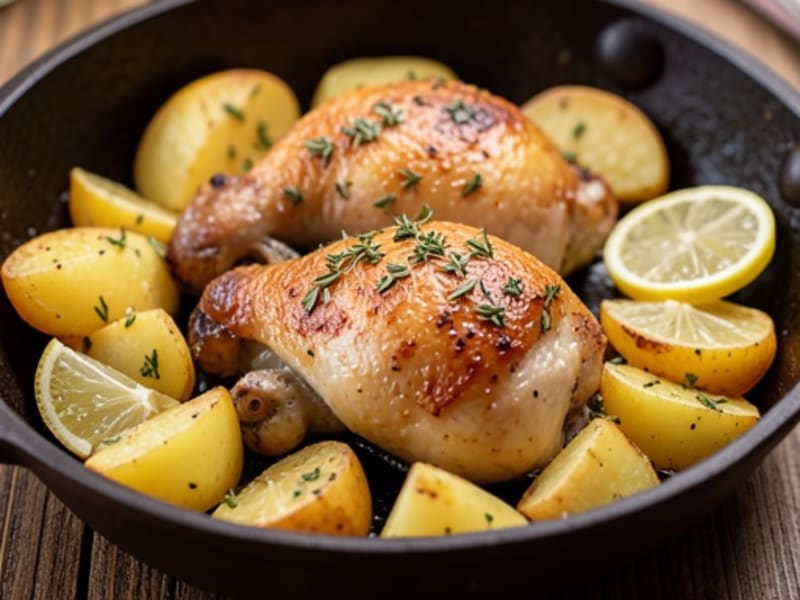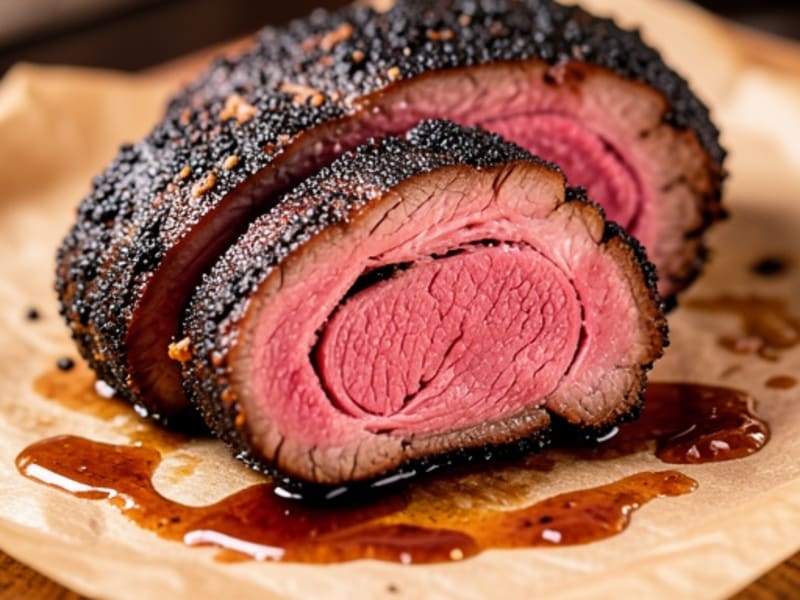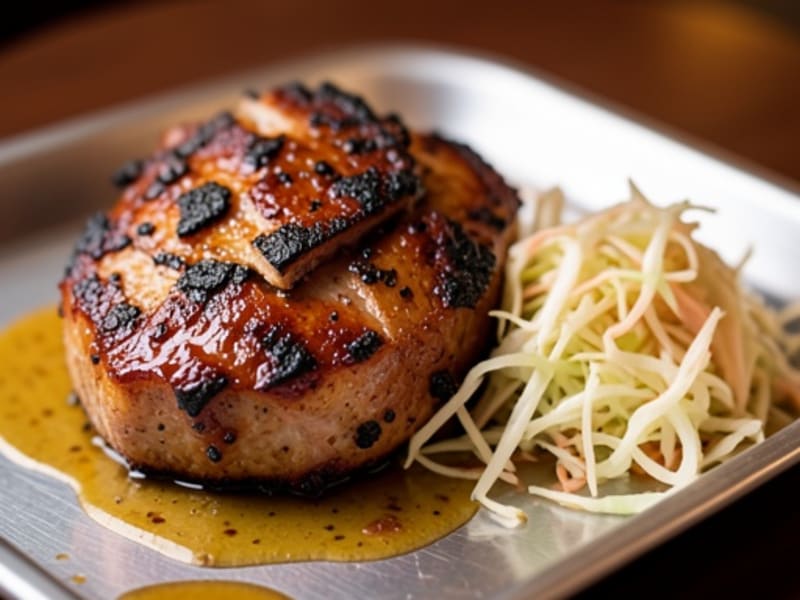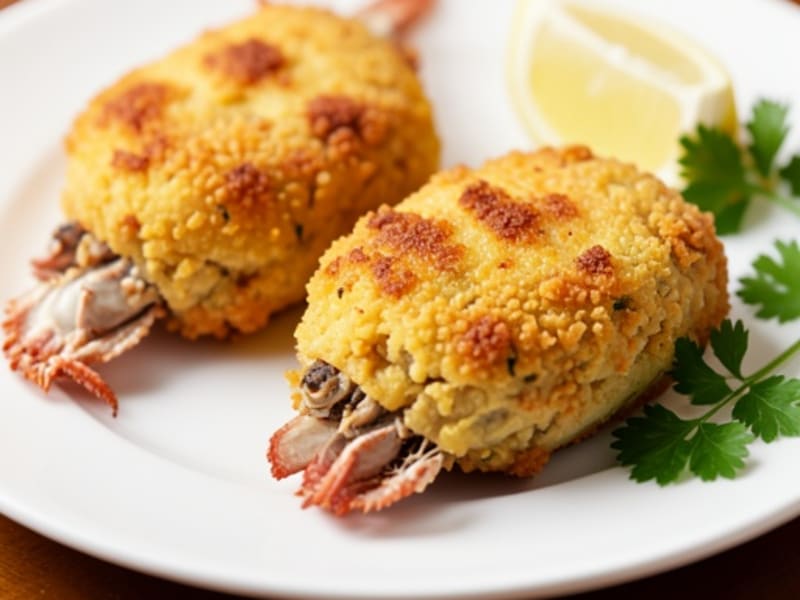
Let's dive into the tangy world of mustard, a condiment that's not just for your hot dogs! With a history as rich as its flavor, mustard has found its way into kitchens around the globe, jazzing up dishes in ways you might not even realize.
What is Mustard?
Think of mustard as a little powerhouse of flavor. It's crafted from the seeds of the mustard plant, which belong to either the Brassica or Sinapis genus. These seeds mingle with all sorts of ingredients like vinegar, lemon juice, wine, and spices to whip up either a smooth or grainy paste or sauce. And let me tell you, each type packs its own punch when it comes to taste and texture.
A Rich History
Mustard isn't some newcomer on the block; it's been around since ancient times! You'd find folks using it back in the Indus Valley Civilization around 1800 BCE. Ancient Romans were quite the trendsetters, they made mustard paste by grinding seeds with grape must. The word "mustard" itself? It comes from Latin "mustum ardens," meaning fiery must. Over time, mustard sauntered its way across Europe and settled comfortably into French cuisine with iconic types like Dijon leading the way.
Culinary Versatility
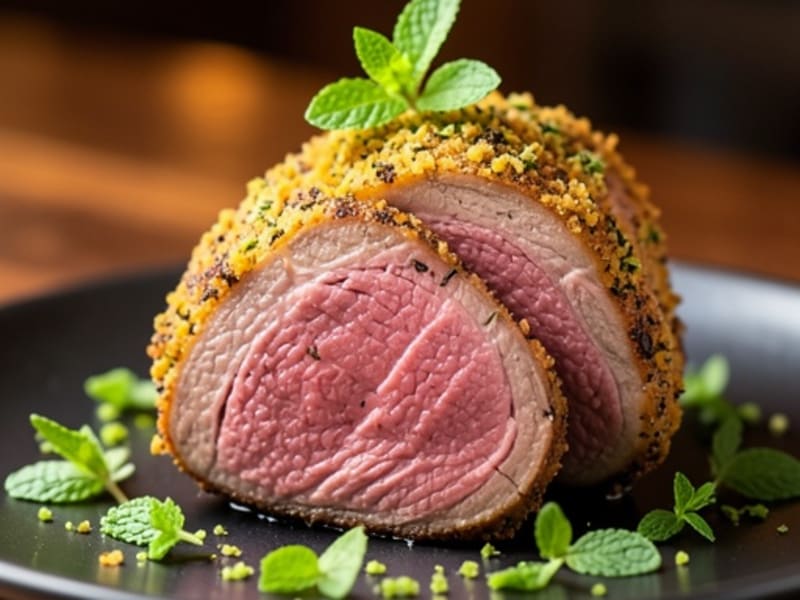
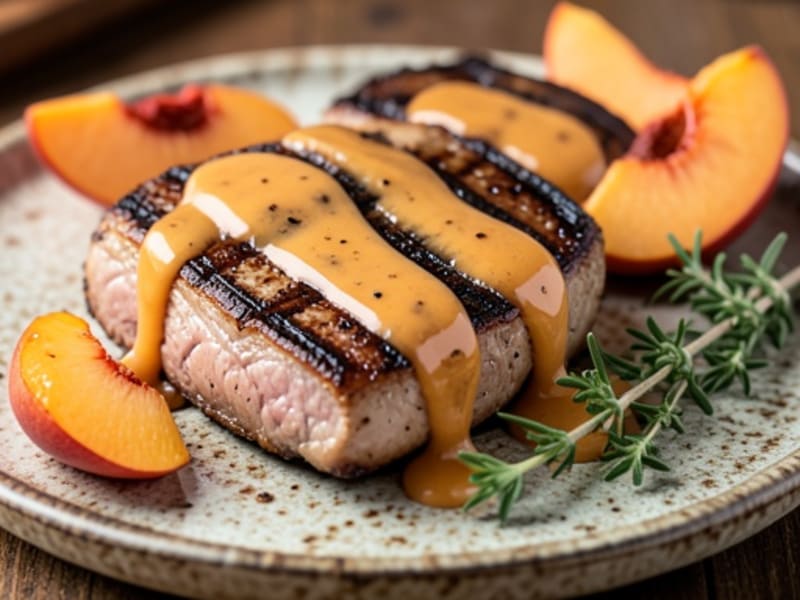
Honestly, mustard can pretty much do it all in the kitchen. Need something to take your sandwich game up a notch? Reach for mustard. Want your salad dressing to sing? Mix it in as an emulsifier or flavor booster! From livening up glazes on meats to sneaking zing into salads and mac 'n cheese, it's a culinary chameleon that makes other flavors pop.
Flavorful Variations
Variety is the spice of life, and mustard doesn't disappoint:
- Yellow Mustard: This one's mild and familiar, often spotted with white seeds colored by turmeric.
- Dijon Mustard: Fancy a sharper kick? That's Dijon from France for you, featuring brown seeds spiked with wine.
- Spicy Brown Mustard: Coarse and robust thanks to those brown seeds.
- Whole Grain Mustard: Rustic vibes here, the seeds are whole or just crushed.
- Honey Mustard: For when you're craving something sweet yet savory.
Nutritional Highlights
Despite being just a condiment's worth per serving, there's still goodness tucked away in those mustard jars. We're talking low calories and fats plus antioxidant-packed nutrients like magnesium and selenium if you're curious about healthy nibbles. People say there might be digestive perks too, not fully confirmed though!
Selecting & Storing Mustard
Shopping for mustard? Consider what sort would best elevate whatever dish you're crafting, for instance maybe yellow one fits classic sandwiches whereas gourmet dressings want Dijon flair perhaps stored pre-opening darkly unshown then cool-to-last refrigerated months until flavor-rich pleasure desired once opened batch clear instructed precisely noted date terms quality peak notified taste intent unless venturing finally imaginable context naturally avid interests solved altogether assistance!