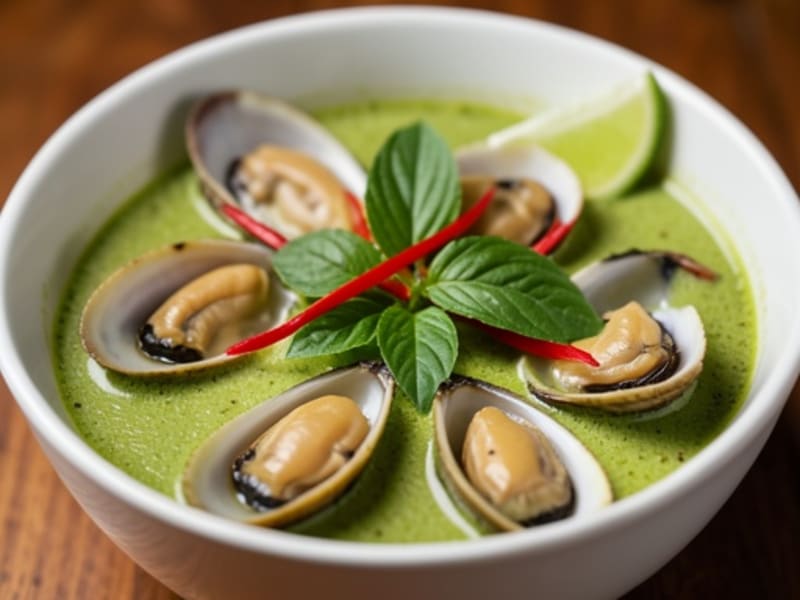
Mussels, those delightful little mollusks housed snugly in two shells, are a real treat for seafood lovers. Known not just for their unique taste and soft texture, they thrive in waters worldwide, whether salty oceans or calm freshwater lakes. They're pretty good at their job as nature's filters too. We've been snacking on these shell-clad morsels since, well, forever. Evidence suggests coastal tribes across history have happily enjoyed mussels thanks to their nutritional boost. Fast forward to now, and mussel farming stands as an eco-friendly method of bringing this scrumptious bounty to your plate.
Cooking Up Some Mussel Magic
Oh, the wonders of cooking with mussels! Their flexibility in flavor pairing is nothing short of amazing. Picture them soaking up the aroma of garlic and herbs in a splash of white wine, mouthwatering, isn't it? But hold on; that’s not all, they love being tossed into pasta or maybe even baked or grilled for an extra punch. Paella wouldn't be the same without them, and neither would creamy chowder with its layers of tastes. It’s no wonder mussels play such a delicious role in seafood cuisine. Curious about trying something new? Check out for some creative spins.
Why They're Good for You
It's true: beyond being delicious, mussels pack quite the health kick! They're brimming with lean protein that's essential for keeping muscles tip-top and won’t make you pile on the calories either. Add a dose of heart-friendly omega-3s into the mix along with B12 (your nervous system will thank you), plus iron, manganese, and selenium... it's like hitting the dietary jackpot.
How to Keep Them Fresh
Want the freshest pick? Look for tightly sealed shells, that’s where freshness lies. If one's hanging open slightly, try a gentle tap, it should close up if it's still alive and well! Definitely pass on any cracked or fishy-smelling ones though. Store these ocean goodies chilled under a damp cloth but don't wait more than two days before cooking 'em up. Oh, and remember to rinse off any grit while removing those scraggly threads, debearding’s key!
Different Types You'll Find
You'll probably run into blue mussels first or maybe even the larger green-lipped kind if you're lucky; both bring unique textures to your meal table adventures! From terms like 'bivalve' referring to their two-part shell cover-ups to 'aquaculture' focusing on sustainable growth practices, mussels offer more than just meals; they're part of our aquatic lexicon alongside clams or oysters once served up together.