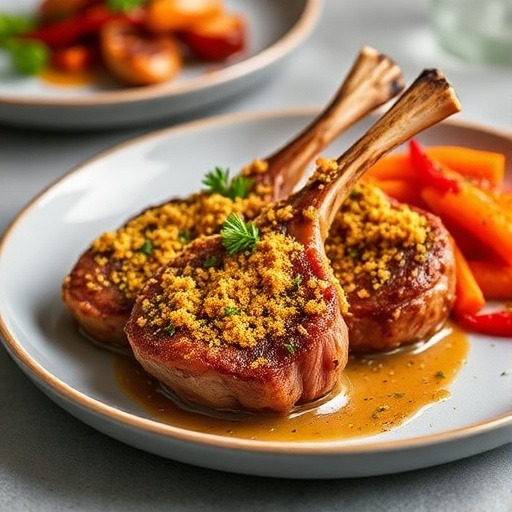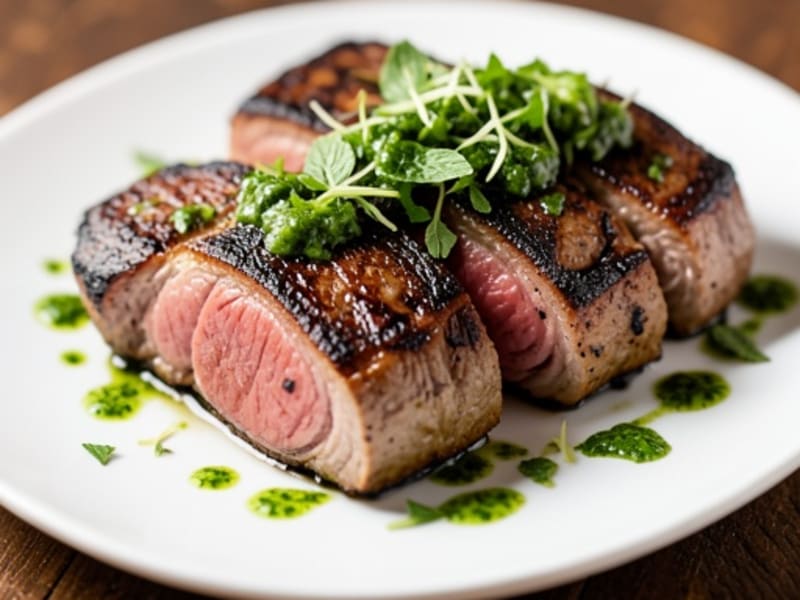
Ever wondered about lamb chops and why they're such a big hit in the kitchen? You're in for a treat. These are not just another cut of meat; they boast tender texture and rich flavor that leaves people craving more. This isn't just for gourmet chefs, home cooks can dive into this flavorful world, too. Let's unravel their story, the different types you might find, and how best to cook them so your next dinner hits all the right notes.
Discovering Lamb Chops: What They Are and Where They Come From
Lamb chops aren't random slices but carefully selected portions usually with a bit of bone intact, carved from various sections of the lamb. This choice cut has found its way onto tables around the globe, celebrated for being both succulent and full of bold flavor. Turn back time thousands of years to the Middle East where people first began keeping lamb as livestock, leading to its starring role in many a feast worldwide, from Europe to Asia and right over to the Americas.
Different Kinds You Can Cook, and How!
Okay, let's talk specifics. There are several kinds of lamb chops, each bringing something unique to your dish. Rib chops, those cute "lollipop" ones, come from the lamb's rib section; they grill up nice or sizzle deliciously when seared. Then you have loin chops, mini T-bones if you will, hefty with meat and perfect roasted or broiled. If you're watching pennies, check out shoulder chops, they’re tough customers best braised slowly till tender. Don't forget sirloin chops either, they work magic on the grill or stove top alike.
Good for You: The Health Perks and Picking Tips
They're not just tasty, lamb chops pack a nutritious punch too! They're chock-full of high-quality protein that's great for your muscles alongside vital vitamins like B's and minerals including iron and zinc which are crucial for staying healthy. Looking to buy some? Seek bright red pieces with nice marbling because those little fat lines bring in flavor while keeping things juicy, but steer clear if anything looks off color-wise or smells funny. And here's a tip: stash any raw ones in your fridge's coldest corner but only for three days max.
For more nitty-gritty details on nutrition straight from the source? The [USDA FoodData Central] is handy! Or broaden those options by checking out our [meat selection guide] that'll introduce even more tasty proteins into your repertoire.