Vegan Sheet Pan Meals: Quick Dinners with Minimal Cleanup
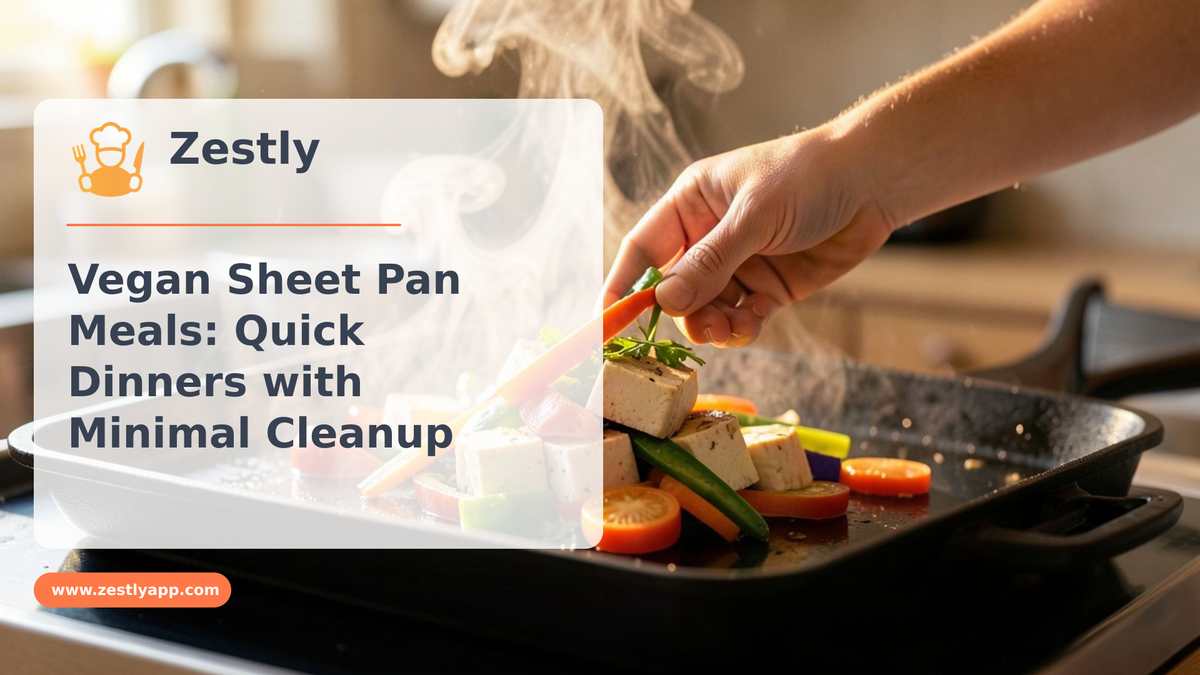
Who doesn't love a meal that's quick to prepare and leaves you with barely any dishes to wash? Enter vegan sheet pan meals—a dream come true for busy weeknights. With just a baking sheet, some fresh veggies, and an oven, you can whip up a delicious, healthy dinner in 30 minutes.
Why Sheet Pan Meals?
Sheet pan meals are the ultimate in convenience cooking. Not only do they streamline your dinner prep, but they also ensure that flavors meld beautifully as everything cooks together. Minimal cleanup is the cherry on top. Plus, these meals can easily be adjusted to suit what you have on hand, making them incredibly versatile.
The magic of sheet pan meals lies in how the ingredients interact. As they roast together, the vegetables release their natural juices, creating a flavorful steam that infuses everything on the pan. This method of cooking enhances the natural sweetness of vegetables, giving them a delightful caramelized finish. The simplicity of using a single pan means that all those complex flavors develop without fuss, providing a gourmet feel with minimal effort.
Step-by-Step Guide to a Perfect Vegan Sheet Pan Meal
1. Choose Your Vegetables
The beauty of sheet pan meals lies in their adaptability. Opt for hearty vegetables that can withstand roasting, such as:
- Brussels sprouts: These little cabbages become crispy and sweet when roasted.
- Broccoli: Roasting brings out a nutty flavor and crisp edges.
- Bell peppers: They become soft and sweet, adding a vibrant color to your meal.
- Beets: Roasting intensifies their natural sweetness, with a tender inside and slightly crisp outside.
Cut your vegetables into uniform pieces to ensure even cooking. This is crucial because different sizes can lead to uneven cooking, where some pieces might be underdone while others are overly charred. Aim for similar thickness and size, especially for root vegetables, to achieve a consistent texture throughout.
2. Add a Protein Source
For a complete vegan meal, you need a protein component. Tofu, tempeh, or chickpeas are excellent choices. These ingredients not only add protein but also absorb the flavors and spices beautifully. For instance, you might pair a flavorful Thai Basil Tempeh Stir-Fry with your roasted veggies.
Tofu, when cubed and marinated, develops a crispy exterior while remaining soft on the inside. Tempeh, with its hearty texture, crisps up nicely and adds a nutty flavor. Chickpeas, when roasted, become crunchy and are a perfect contrast to the tender vegetables.
3. Season Generously
Don't skimp on the seasoning! A simple mix of adobo seasoning, salt, and pepper can elevate your dish. But feel free to experiment with your favorite herbs and spices. Consider adding smoked paprika for depth, cumin for earthiness, or nutritional yeast for a cheesy flavor without the dairy.
The key to a well-seasoned sheet pan meal is to coat every piece evenly. This ensures that each bite is packed with flavor. You can also add fresh herbs like rosemary or thyme toward the end of roasting to prevent them from burning, allowing their aromas to permeate the dish.
4. Use the Right Oil
Drizzle your veggies and protein with a generous amount of avocado oil. It has a high smoke point, making it ideal for roasting. This oil not only withstands the high temperatures needed for roasting but also adds a subtle richness to the dish.
If you prefer a lighter option, you can use a modest amount of olive oil, but be mindful of its lower smoke point. The oil helps in caramelizing the vegetables, ensuring they don't stick to the pan and develop that desirable golden-brown hue.
5. Roast to Perfection
Preheat your oven to 425°F (220°C) and roast for about 20-25 minutes. Toss the ingredients halfway through to ensure even cooking. You'll know your meal is done when the veggies are tender and slightly caramelized.
The high temperature is crucial for roasting because it allows the vegetables to cook quickly, preserving their nutrients and enhancing their natural flavors. Halfway through, use a spatula to turn the pieces, ensuring that all sides are exposed to the heat. This technique prevents sticking and promotes even browning.
Common Mistakes to Avoid
- Overcrowding the Pan: Ensure everything is in a single layer. Overcrowding leads to steaming instead of roasting, which can result in soggy vegetables rather than crispy, caramelized ones. If necessary, use two pans to maintain proper spacing.
- Ignoring Cooking Times: Different vegetables have different cooking times. Consider starting with heartier veggies like beets, then adding quicker-cooking ones later. This staggered approach ensures everything reaches perfect doneness simultaneously.
- Skipping the Toss: Tossing halfway ensures all sides get that delicious roasted flavor. It also helps redistribute the oil and seasoning, ensuring a consistent taste throughout the dish.
How to Know When It's Done
Your vegetables should be fork-tender with a slight caramelization. The protein should be cooked through and have a crispy exterior. If you're new to roasting, trust your senses; the aroma of perfectly roasted veggies will tell you when it’s time.
Visual cues are also important. Look for deep, rich colors and slightly charred edges on your vegetables. The proteins, especially tofu and tempeh, should have a golden-brown crust. Taste a piece if you're unsure—perfectly roasted vegetables will be tender yet firm, with a sweet, concentrated flavor.
Resources for Further Reading
For more sheet pan inspiration, check out our Quick Sheet-Pan Salmon and Vegetables: Dinner in 30 Minutes guide, which can easily be adapted to a vegan version.
You can also explore the 10 Easy Ways to Roast Vegetables Without Oil for healthier meal options.
Conclusion
Vegan sheet pan meals are not just a time-saver but a delightful way to enjoy a variety of flavors in one dish. Whether you're a seasoned cook or new to plant-based meals, these tips will have you creating delicious dinners in no time. Give it a try and explore our recipes on Zestly for more culinary adventures! The simplicity and versatility of sheet pan cooking make it a must-have skill in any cook's repertoire.
Frequently Asked Questions
Can I use frozen vegetables for sheet pan meals?
Yes, you can use frozen vegetables in sheet pan meals. However, they may release more moisture, so it's best to thaw and pat them dry before roasting to achieve crispiness.
What are some good vegan protein sources for sheet pan meals?
Great vegan protein sources for sheet pan meals include tofu, tempeh, chickpeas, and lentils. Each provides a hearty texture and absorbs flavors well.
How do I store leftover sheet pan meals?
Store leftovers in an airtight container in the refrigerator for up to 3 days. Reheat in the oven at 350°F until warmed through to retain crispiness.
Can I prepare sheet pan meals ahead of time?
Yes, you can prep ingredients in advance. Chop and season vegetables and protein, then store them separately in the fridge. Combine and roast when ready to eat.

Written by
Matthew Weitzman
Founder, Zestly
Matthew Weitzman is the founder of Zestly, on a mission to make everyday cooking easier and more joyful. A lifelong home cook, he writes about practical techniques, smart ingredient choices, and building confidence in the kitchen.
View all posts →