Master the Art of Oven-Roasted Chicken: Avoid These 5 Mistakes
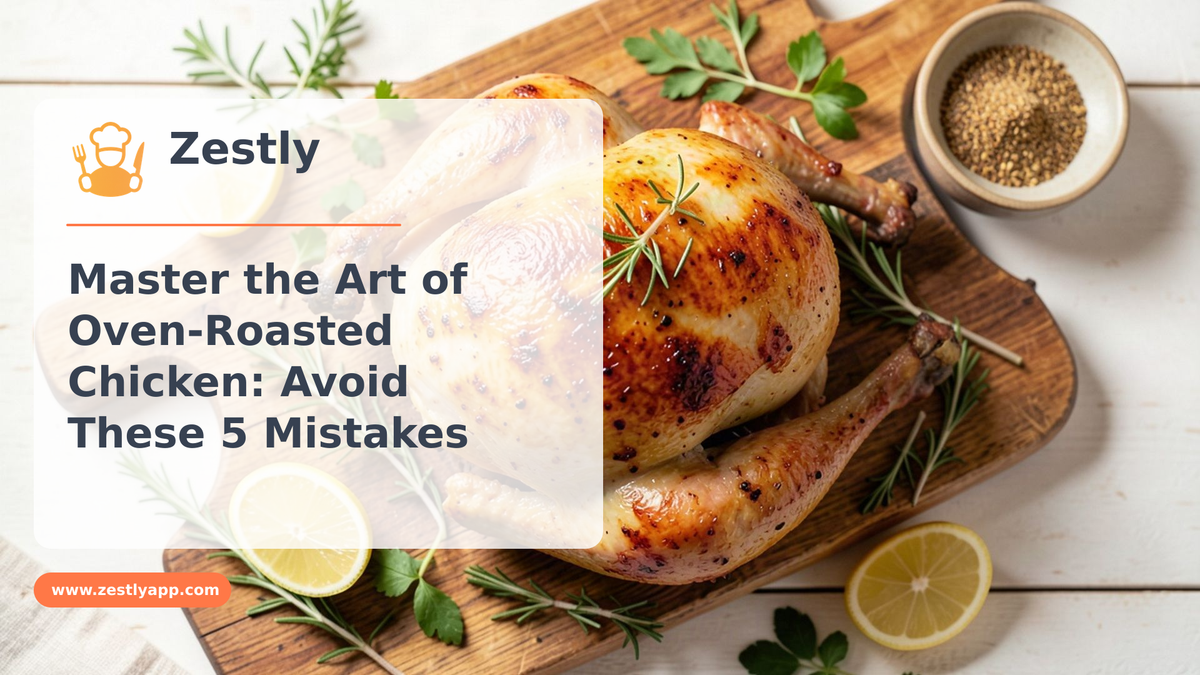
There's nothing quite like the aroma of a perfectly roasted chicken wafting through your home. It’s a dish that’s as comforting as it is delicious, making it a staple for many family dinners. However, achieving that golden, crispy skin and juicy, flavorful meat can sometimes be elusive. Let's break it down and ensure you avoid these common pitfalls.
1. Choosing the Wrong Cut
Not all parts of the chicken cook the same, and choosing the right cut is essential for a successful roast. Using a whole bird is often best for roasting, as it allows the different parts to complement each other, creating a balance of rich flavors and textures. Each piece brings something unique to the table: the breast offers lean meat, while the thighs and drumsticks provide juicier, more flavorful bites due to their higher fat content.
If you're opting for pieces rather than a whole bird, consider using chicken thighs. They are more forgiving due to their fat content, which helps keep them moist even if slightly overcooked. In contrast, chicken breast can dry out quickly, so it requires more careful monitoring of time and temperature. For those who prefer white meat but want to avoid dryness, consider brining the breast or wrapping it with bacon to add moisture and flavor.
2. Skipping the Seasoning
A common mistake is under-seasoning the chicken. Salt is essential not just for flavor but also for helping to tenderize the meat. We recommend seasoning your bird generously with salt both inside and out. This process, known as dry brining, allows the salt to penetrate deeply into the meat over time, enhancing flavor and moisture retention.
Feel free to get creative with spices and herbs. A classic combination includes black pepper, garlic powder, and paprika. For an extra kick, try incorporating adobo seasoning, which adds a rich depth and a hint of heat. Don’t forget to season inside the cavity as well, as this helps distribute flavor throughout the meat as it cooks.
3. Ignoring the Need for a Rack
Roasting your chicken directly on the pan can result in a soggy bottom, as the juices have nowhere to go. This is where a roasting rack becomes indispensable. By lifting the chicken, a rack allows hot air to circulate around the bird, ensuring even cooking and crispy skin all around.
If you don’t have a rack, you can improvise by creating a bed of artichoke hearts or thick slices of onions. Not only do these alternatives keep the chicken elevated, but they also absorb the drippings, becoming deliciously caramelized and adding an extra layer of flavor to your meal.
4. Not Letting It Rest
When your chicken comes out of the oven, it's tempting to carve into it immediately. However, resting is crucial. Letting the chicken rest for at least 15 minutes allows the juices to redistribute throughout the meat, resulting in a more succulent bite. Skipping this step can lead to a loss of moisture, as the juices that haven't settled will spill out when you cut into the chicken, leading to dry and disappointing results.
During the resting period, you can cover the chicken loosely with aluminum foil to keep it warm. This brief pause not only enhances the flavor but also makes the chicken easier to carve.
5. Overcooking
Overcooking is a surefire way to ruin your roasted chicken. Aim for an internal temperature of 165°F for the thickest part of the meat (avoiding bones), as recommended by the USDA.
A digital meat thermometer is your best friend here. Insert it into the thickest part of the thigh, without touching the bone, to ensure accuracy. Remember, the chicken will continue to cook slightly as it rests, so pulling it out of the oven at around 160°F and letting it come up to temperature while resting can yield perfect results.
Quick Tips for the Perfect Roast
- Brine for Juiciness: A simple brine of salt, sugar, and water can significantly enhance the moisture content of your chicken, especially if you're using leaner cuts like the breast. Brining for a few hours or overnight allows the meat to absorb water and salt, resulting in a juicy and well-seasoned roast.
- Butter or Oil: Rubbing the skin with butter or avocado oil before roasting can help achieve that golden, crispy finish. The fat helps the skin brown and adds richness to the flavor. For added flavor, you can mix the butter with herbs like thyme or rosemary before spreading it under the skin.
- Aromatic Additions: Stuffing the cavity with aromatics like garlic, lemon, and herbs can elevate the flavor of your roast chicken. As the chicken cooks, these ingredients release their aromas and infuse the meat with a subtle yet enticing flavor, making every bite more delightful.
Recipes to Complement Your Roast
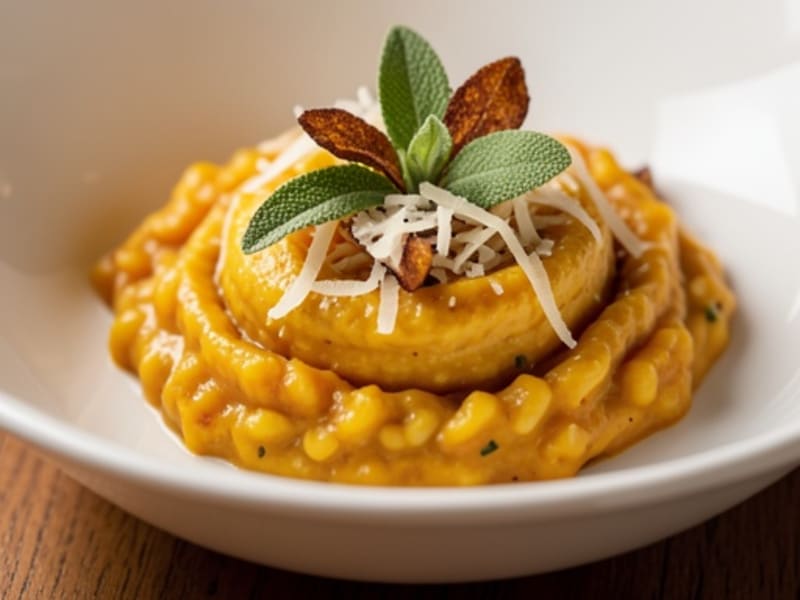
Pair your roast chicken with something delightful, like our Mediterranean Stuffed Bell Peppers or a warm Butternut Squash Sage Risotto. These sides complement the savory and juicy qualities of the roasted chicken, adding variety and color to your meal.
For those days when you want to simplify, check out The Easiest One-Pan Chicken Dinner You'll Ever Make. It's another surefire way to enjoy chicken without the fuss, making it perfect for busy weeknights or when you're craving something comforting without much effort.
Mastering the art of oven-roasting a chicken is all about understanding the basics and avoiding these common mistakes. Once you’ve nailed it, you’ll have a go-to dish that’s perfect for any occasion, whether it’s a cozy family dinner or an impressive meal for guests. Ready to dive into more culinary adventures? Explore our enticing recipes that will keep you inspired and your dining table exciting.
Frequently Asked Questions
How do I ensure my roasted chicken is juicy?
To ensure a juicy roasted chicken, brine it before cooking to retain moisture. Use a roasting rack to allow even cooking, and let the chicken rest for 15 minutes after roasting to allow juices to redistribute.
What temperature should I roast a chicken?
Roast chicken at 375°F to 425°F depending on your preference for skin crispiness. Always ensure the internal temperature reaches 165°F, particularly in the thickest part of the chicken for safe consumption.
How can I add flavor to my roasted chicken?
Enhance your chicken's flavor by rubbing it with butter or avocado oil, seasoning generously with salt and spices like adobo seasoning, and stuffing the cavity with aromatics like garlic and herbs.
How long should I roast a whole chicken?
Roast a whole chicken for about 20 minutes per pound at 375°F. Ensure it reaches an internal temperature of 165°F, checking with a meat thermometer, for perfectly cooked and safe-to-eat chicken.

Written by
Matthew Weitzman
Founder, Zestly
Matthew Weitzman is the founder of Zestly, on a mission to make everyday cooking easier and more joyful. A lifelong home cook, he writes about practical techniques, smart ingredient choices, and building confidence in the kitchen.
View all posts →