An Introduction to Japanese Home Cooking: Simple Dishes and Techniques
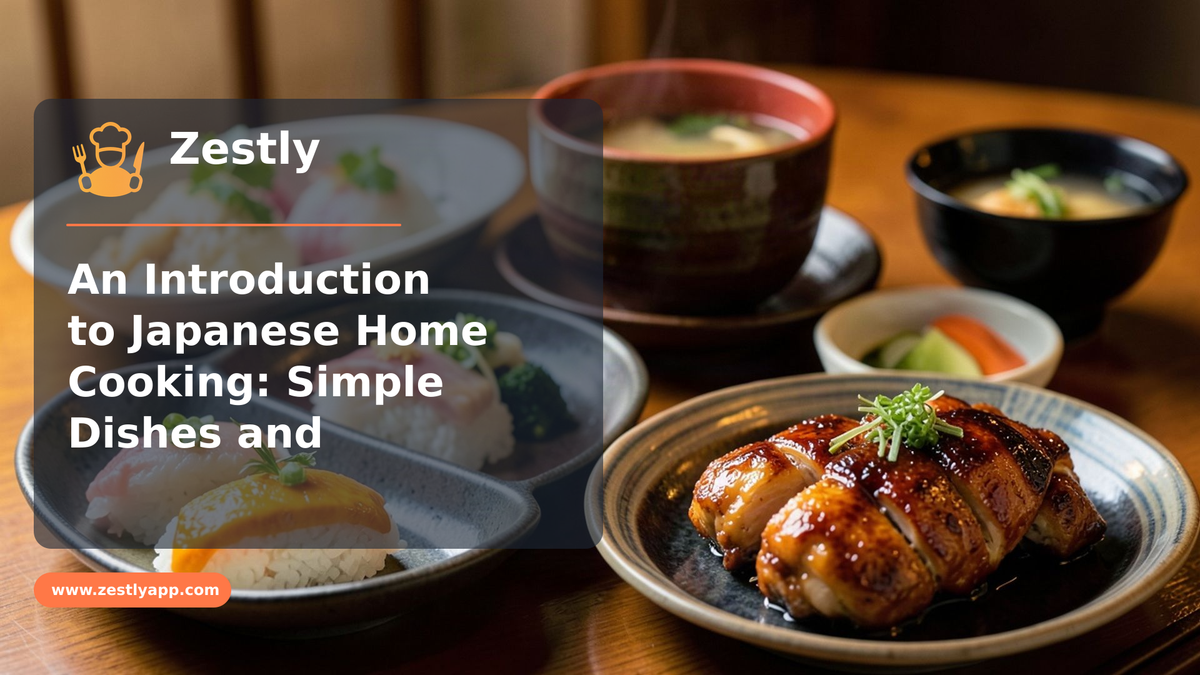
Japanese cuisine is renowned for its elegance and simplicity, yet it can seem daunting to replicate at home. Fear not! With a few staple ingredients and techniques, you can bring a taste of Japan to your kitchen. Let's walk together through the basics and try some approachable dishes.
Essential Ingredients in Japanese Cooking
To truly grasp Japanese home cooking, we first need to familiarize ourselves with a few staple ingredients:
- Soy Sauce: A fermented seasoning that adds umami and depth to dishes. Soy sauce comes in various types, such as light and dark, each with its own flavor profile. Light soy sauce is often used for seasoning without altering the color of a dish, while dark soy sauce is richer and can add a caramelized hue.
- Miso: A fermented soybean paste, essential for soups and marinades. Miso varies in color and flavor from white (shiro) miso, which is mild and sweet, to red (aka) miso, which is aged longer and has a robust, salty flavor. Understanding these variations can help you tailor the taste of your dishes.
- Mirin and Sake: Sweet cooking wine and rice wine that balance flavors and add sweetness. Mirin is less alcoholic and sweeter than sake, contributing a subtle sweetness and shine to sauces and glazes. Sake, on the other hand, can be used to deglaze pans or as a marinade base, infusing dishes with a gentle aroma.
- Dashi: A versatile broth made from seaweed and dried fish, forming the base of many soups. Dashi's umami-rich flavor is foundational in Japanese cooking, created quickly through soaking kombu (seaweed) and bonito flakes. This simplicity allows the broth to enhance without overpowering.
- Rice: A cornerstone of almost every meal, typically short-grain and sticky. The texture of Japanese rice is slightly sticky when cooked, making it perfect for both savory and sweet dishes. Mastering rice cooking is crucial, as it serves as the backdrop for many meals.
These ingredients form the backbone of Japanese cuisine, allowing us to create authentic flavors at home. Each has its role, contributing to the harmony and balance that defines Japanese cooking.
Cooking Techniques to Master
Japanese cooking is about precision and harmony, focusing on techniques that highlight the natural flavors of the ingredients. Here are a few techniques to get you started:
- Grilling (Yakimono): Perfect for fish and meats, often seasoned simply with salt or soy sauce. Japanese grilling often involves skewers or a hibachi grill, providing a smoky flavor that enhances the natural taste of the ingredients. The key is to grill over medium heat to avoid burning and to lock in moisture.
- Steaming (Mushimono): Retains nutrients and keeps dishes light, often used for vegetables and fish. Steaming is a gentle method that preserves the integrity and color of ingredients. Using bamboo steamers can infuse a subtle aroma, adding another layer of authenticity.
- Simmering (Nimono): Slow-cooking in a seasoned broth, great for vegetables and meats. This technique is about infusing flavors gradually. The broth usually combines soy sauce, mirin, and sugar, creating a delicate balance of sweetness and saltiness.
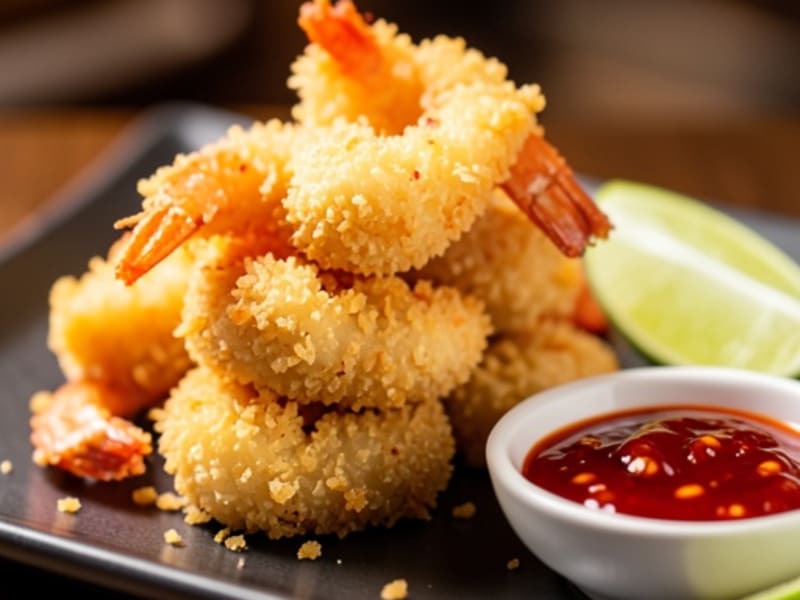
- Frying (Agemono): Tempura is the most famous, where ingredients are lightly battered and fried. Achieving the perfect tempura involves using ice-cold batter and maintaining the oil temperature around 170-180°C (340-360°F) for a light, crispy texture without greasiness.
These methods emphasize delicate preparation, allowing the ingredients to shine. Understanding the nuances of each technique can elevate your Japanese cooking experience.
Approachable Japanese Dishes to Try at Home
Ready to dive in? Here are a few beginner-friendly dishes that capture the essence of Japanese home cooking:
- Miso Soup: Simple and comforting, made with miso paste and dashi, often including tofu and seaweed. The key to great miso soup is to dissolve the miso paste after removing the dashi from heat to preserve its probiotic benefits and prevent bitterness.
- Teriyaki Chicken: A delicious balance of sweet and savory, achieved by marinating chicken in a mixture of soy sauce, mirin, and sugar. Cook the chicken over medium heat to ensure it caramelizes without burning. Basting with the sauce during cooking adds layers of flavor.
- Onigiri: Rice balls that are both a snack and a lunchbox staple, filled with ingredients like pickled plum or salmon. Forming onigiri is a tactile experience, and using slightly wet hands prevents sticking. Wrapping them in nori adds a satisfying crunch.
- Cedar-Plank Miso Salmon with Charred Scallion: Try this recipe for a delicious twist on traditional flavors. Cooking on a cedar plank infuses the salmon with a subtle smoky aroma, enhancing the miso marinade's complexity.
These dishes are not only approachable but also highlight the simplicity and depth of Japanese flavors.
Embracing Rice in Your Cooking
Rice is at the heart of Japanese meals. Mastering its preparation is key. Here are a few tips:
- Rinse the rice thoroughly to remove excess starch. This step is crucial for achieving the perfect texture and avoiding gumminess.
- Use a rice cooker for consistent results; it takes the guesswork out. Modern rice cookers often have settings for different types of rice, ensuring optimal cooking.
- Let the rice rest for a few minutes after cooking to achieve the perfect texture. This resting period allows the moisture to distribute evenly, resulting in fluffy rice.
For more ideas on using rice, you might find our article on leftover rice transformations quite handy.
Expanding Your Culinary Horizons
Japanese cuisine is vast, with regional variations and a focus on seasonality. As you become more comfortable, explore dishes like sushi, ramen, and more intricate kaiseki meals. Kaiseki, a multi-course dining experience, highlights seasonal ingredients and presentation artistry. You might also enjoy learning about easy German potato salads as a contrast to broaden your culinary skills.
Trustworthy Resources
For more detailed guidance, sites like Just One Cookbook offer authentic recipes and cultural insights. Such resources can deepen your understanding and appreciation of Japanese culinary traditions.
Incorporating Japanese home cooking into your repertoire is a journey of discovery, flavor, and joy. We hope this guide inspires you to try something new. Explore Zestly for more recipes and embrace the art of Japanese cuisine today!
Frequently Asked Questions
What are the basic ingredients for Japanese cooking?
Essential ingredients in Japanese cooking include soy sauce, miso, mirin, sake, dashi, and rice. These form the foundation of many traditional dishes and are crucial for creating authentic flavors.
What is the best way to cook Japanese rice?
Rinse the rice thoroughly to remove excess starch, use a rice cooker for consistent results, and let it rest after cooking for a few minutes to achieve the perfect texture.
How can I make miso soup at home?
To make miso soup, prepare dashi broth, add miso paste, and include ingredients like tofu, seaweed, and scallions. Simmer gently to blend flavors without boiling.

Written by
Matthew Weitzman
Founder, Zestly
Matthew Weitzman is the founder of Zestly, on a mission to make everyday cooking easier and more joyful. A lifelong home cook, he writes about practical techniques, smart ingredient choices, and building confidence in the kitchen.
View all posts →