Discover Authentic Greek Baklava: Ingredients, Techniques & Recipe
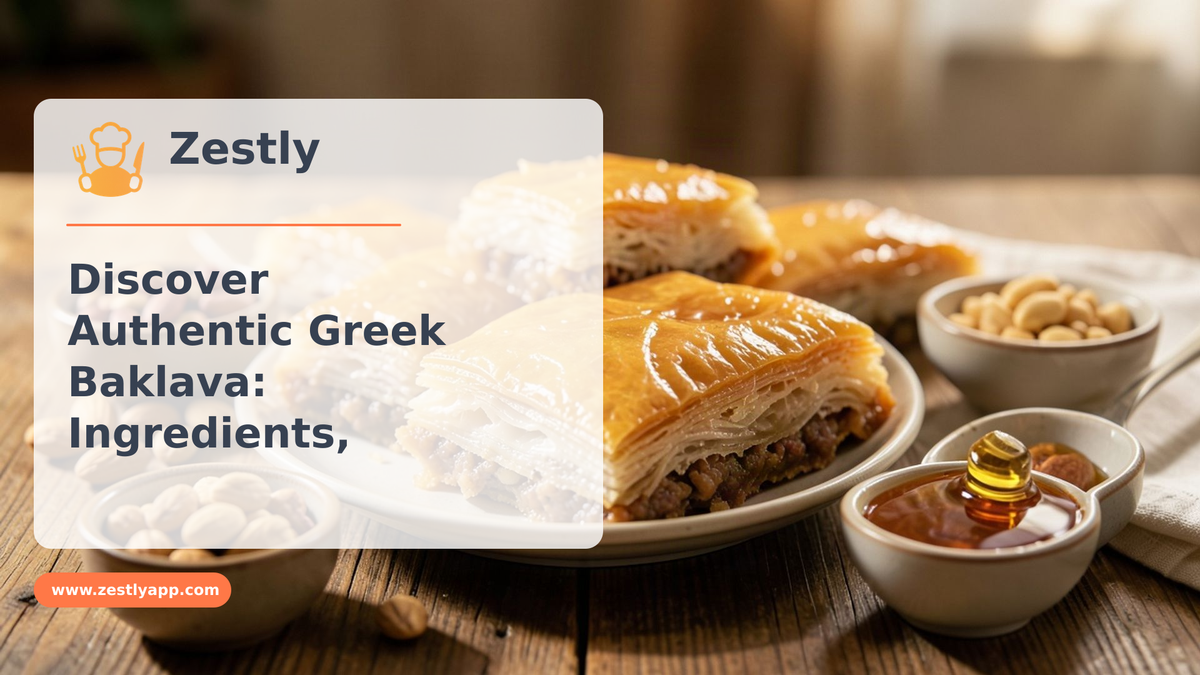
Baklava is a timeless Greek dessert that combines layers of flaky pastry with a sweet, nutty filling, all enveloped in a honey syrup. It’s a dish that's as much about the journey of making it as it is about the irresistible result. Let’s explore the ingredients, techniques, and get you equipped to make authentic Greek baklava at home.
The Essential Ingredients
To craft an authentic Greek baklava, start with the right ingredients. Here's what you'll need:
- Phyllo Dough: This paper-thin pastry is the backbone of baklava. Make sure it's thawed properly before use. When working with phyllo, patience is key, as it can tear easily. Allow it to thaw in the refrigerator overnight and bring it to room temperature before use. This ensures it’s pliable and easy to handle.
- Nuts: Traditionally, a mixture of walnuts, pistachios, and almonds is used. The variety of nuts adds complexity to the flavor and texture of the baklava. Toasting the nuts slightly before chopping can enhance their flavor, giving your baklava a deeper, richer taste.
- Butter: Clarified butter is ideal for achieving a crisp, golden finish. It has a higher smoke point than regular butter, which prevents the phyllo from becoming soggy. To clarify butter, gently melt it and skim off the foam, leaving the pure butterfat behind.
- Spices: A hint of cinnamon and cloves adds depth to the nut mixture. These spices are classic in Greek desserts, adding warmth and a subtle, aromatic kick that complements the sweetness of the syrup.
- Honey Syrup: This is typically a mix of honey, sugar, water, and a splash of lemon juice. The lemon juice brightens the syrup and balances the sweetness, preventing it from becoming cloying.
Step-by-Step Technique
Achieving perfect baklava involves careful layering and attention to detail. Here’s how:
- Prep the Phyllo: Gently unfold the phyllo and cover it with a damp cloth to prevent drying out. This is crucial because once phyllo dries, it becomes brittle and unusable. Work with one sheet at a time, keeping the rest covered.
- Butter the Layers: Brush each phyllo sheet with melted butter. This is crucial for that flaky texture. Make sure each sheet is fully coated, as this not only aids in creating crisp layers but also adds richness.
- Layer the Nuts: Every few layers of phyllo, sprinkle a generous layer of the nut mixture. Distribute the nuts evenly to ensure every bite has a delightful crunch and nutty flavor.
- Bake: Bake until golden brown. The aroma will be your guide. You’ll know it’s ready when the top layer is a deep golden brown and the edges are slightly pulling away from the pan.
- Syrup Soak: Pour warm honey syrup over the hot baklava. This allows the syrup to penetrate the layers beautifully. The syrup should sizzle as it touches the hot pastry, which helps it absorb evenly and quickly.
Recipe for Authentic Greek Baklava
Here’s a concise recipe to get you started:
Ingredients
- 1 package of phyllo dough
- 2 cups mixed nuts (walnuts, pistachios, almonds)
- 1 cup melted butter
- 1 teaspoon cinnamon
- 1/2 teaspoon ground cloves
- 1 cup honey
- 1 cup sugar
- 1 cup water
- 1 tablespoon lemon juice
Instructions
- Prepare the Nuts: Chop nuts finely and mix with cinnamon and cloves. A food processor can speed up this process, but be careful not to over-process; you want small pieces, not a paste.
- Layer the Phyllo: In a buttered pan, place 8 sheets of phyllo, buttering each layer. Use a pastry brush for even coverage.
- Add the Nut Mixture: Spread a layer of nuts, then another 4 sheets of phyllo, buttering each. Repeat this layering process until all ingredients are used.
- Repeat: Continue layering until all ingredients are used, ending with 8 sheets of phyllo. The top layers should be just phyllo to create a crisp top.
- Bake: Cut into diamond shapes, then bake at 350°F for about 45 minutes. Cutting before baking allows the syrup to permeate the layers more efficiently.
- Prepare the Syrup: Simmer honey, sugar, water, and lemon juice for 10 minutes. The syrup should be slightly thickened but still pourable.
- Finish: Pour syrup over the baked baklava. Let it absorb overnight. This resting period is crucial for the flavors to meld and the syrup to fully infuse the pastry.
Beyond Baklava: Exploring Greek Cuisine
Once you’ve mastered baklava, why not dive deeper into Greek cuisine? You might enjoy our Greek Grilled Octopus with Oregano and Lemon, a delightful savory counterpart to your sweet success. Greek cuisine is known for its use of fresh ingredients and bold flavors, making it a rewarding culinary adventure.
Tips for Success
- Work Quickly: Phyllo can dry out fast. Keep it covered with a damp cloth as you work. This will save you the frustration of dealing with torn or unusable sheets.
- Don’t Skimp on Syrup: The syrup is key to flavor and texture. Ensure it’s well absorbed. The baklava should be slightly sticky on the outside with a moist, flavorful interior.
- Let it Rest: Baklava tastes best after resting for several hours or overnight. This allows the syrup to fully penetrate the layers, creating a cohesive and flavorful dessert.
For more on perfecting culinary techniques, check out our article on Greek Lemon Chicken Soup: A Flavorful Beginner's Guide. Understanding these basics can elevate your cooking beyond traditional boundaries.
Further Learning
Understanding the nuances of ingredients can elevate your cooking. Dive into our glossary for more insights on how different nuts, like almonds, can enhance your baking. The flavor profiles and textures of nuts can significantly impact your dish's outcome.
For authoritative guidance on baking techniques, visiting trusted resources like the USDA's guide on food safety can be quite enlightening. Food safety is paramount, especially when handling ingredients like phyllo dough, which can be sensitive to temperature and moisture changes.
Baklava is a special treat that can transform an occasion with its rich flavors and textures. We hope you find joy in creating this classic dessert. Explore more recipes on Zestly to continue your culinary adventure!
Frequently Asked Questions
Can I use any type of nuts for baklava?
Yes, while traditional baklava uses a mix of walnuts, pistachios, and almonds, you can experiment with other nuts like pecans or hazelnuts to suit your taste.
How do I store baklava?
Store baklava at room temperature in an airtight container for up to a week. For longer storage, you can refrigerate it, but allow it to come to room temperature before serving for the best flavor.
Why is my baklava not crispy?
Ensure that you are adequately buttering each layer of phyllo and baking it until golden brown. A hot syrup poured over hot baklava is crucial for maintaining crispiness.
Can baklava be frozen?
Yes, you can freeze baklava. Wrap it tightly in plastic wrap and foil before freezing. Thaw at room temperature before serving, though note that the texture may be slightly less crisp.

Written by
Matthew Weitzman
Founder, Zestly
Matthew Weitzman is the founder of Zestly, on a mission to make everyday cooking easier and more joyful. A lifelong home cook, he writes about practical techniques, smart ingredient choices, and building confidence in the kitchen.
View all posts →