Active Dry Yeast vs Instant Yeast: How to Activate and Use Each
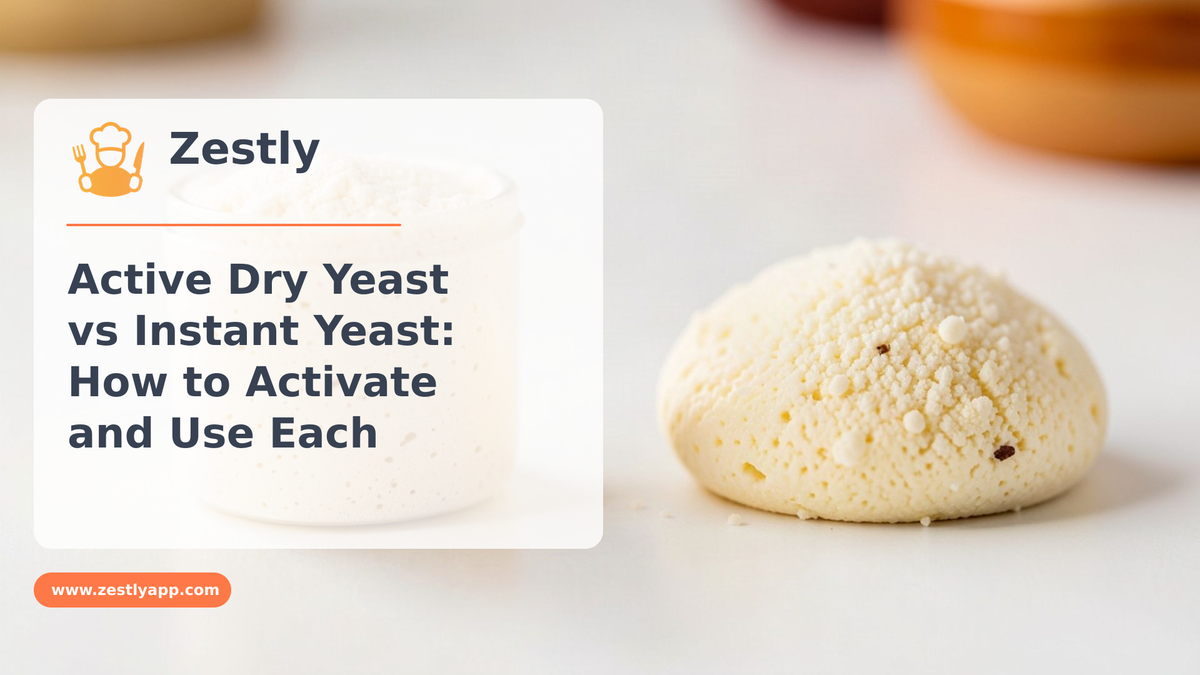
Choosing the right yeast can make a world of difference in baking. Active dry yeast and instant yeast, though often used interchangeably, have distinct characteristics that affect how we prepare and use them. Let's dive into what sets them apart and how to best harness their potential.
Understanding Yeast: Active Dry vs Instant
Yeast is a living organism crucial in baking, responsible for fermentation, which makes dough rise. Understanding the nuances of active dry yeast and instant yeast can elevate your baking skills.
Active dry yeast comes in the form of larger granules. These granules are coated in a layer of dead yeast cells, which need to be activated in warm water to dissolve the coating and awaken the yeast cells within. This process is crucial because without activation, the yeast won't interact effectively with the dough ingredients. This yeast type is often preferred for its robust flavor development, as the activation allows for a gradual fermentation process that can enhance the depth of flavor in the final baked product.
On the other hand, instant yeast consists of finer granules and can be mixed directly with dry ingredients. This is because it is milled more finely and dried faster, allowing it to dissolve and activate more quickly once it's in the dough. Instant yeast is a favorite for its convenience, as it doesn't require proofing. This makes it ideal for quick breads, pizza doughs, and other recipes where time is of the essence. The rapid action of instant yeast can also be beneficial when making enriched doughs that contain fat, sugar, or eggs, as these ingredients can slow down yeast activity.
How to Activate Active Dry Yeast
Activation is essential for active dry yeast to wake up the dormant yeast cells. Here's how to do it effectively:
- Measure: Use the amount of yeast your recipe specifies, typically 1/4 ounce or about 2 1/4 teaspoons per packet. Accurate measurement is crucial; too much yeast can lead to overly rapid fermentation, while too little will result in insufficient rise.
- Warm Water: Heat about 1/4 cup of water between 100°F and 110°F. This temperature range is essential as it provides the perfect environment for yeast activation. Water that's too hot (above 120°F) can kill the yeast, while water that's too cold won't activate it. Aim for the warmth of a comfortable bath.
- Add Yeast: Sprinkle the yeast over the warm water. Let it sit undisturbed for about 5-10 minutes. During this time, the yeast will begin to absorb the water and dissolve.
- Watch for Foam: When the mixture becomes frothy or bubbly, the yeast is active and ready to use. This foaming indicates that the yeast is alive and fermenting, releasing carbon dioxide, which will help your dough rise.
If your yeast doesn't foam, it might be expired or improperly stored. For longevity, store yeast in an airtight container in the fridge or freezer. Check out our detailed guide on fridge vs pantry storage for yeast to ensure your yeast stays potent.
Using Instant Yeast: No Activation Required
Instant yeast is convenient for its simplicity. Just mix it directly with your dry ingredients. This yeast works faster, making it perfect for quick bread recipes or when you're pressed for time. Because it requires no initial proofing, you save a step, which is handy for busy days.
When using instant yeast, it's important to ensure even distribution within your dry ingredients to prevent uneven rising. This could lead to inconsistencies in texture and crumb structure. Instant yeast's quick action also means you should be ready to work efficiently, as the dough will start to rise soon after mixing.
When to Use Each Type
- Active Dry Yeast: Use in recipes where a slow rise is beneficial, such as artisanal bread or recipes requiring multiple rises. The gradual rise allows flavors to develop fully, resulting in a more complex taste and a chewy texture.
- Instant Yeast: Best for quick baking, like pizza dough or when using a bread machine. It’s excellent for recipes like crispy almond-crusted chicken Milanese, where you want a quick rise and bake time. Instant yeast's rapid action is also preferred when baking at high altitudes, where dough tends to rise faster.
Troubleshooting Yeast Problems
If your dough isn't rising, consider these factors:
- Temperature: Ensure your environment is warm enough for yeast activity. Ideal dough rising temperatures are between 75°F and 80°F. If your kitchen is too cold, try proofing dough in a warm oven (turned off) or near a sunny window.
- Expired Yeast: Always check expiration dates and store yeast properly, as mentioned in our storage guide. Expired yeast can lead to disappointing results, as it may not activate well, resulting in dense, flat baked goods.
- Salt and Sugar: Too much salt can kill yeast, and too much sugar can slow it down. Always follow recipe guidelines for these ingredients. Salt controls yeast growth and strengthens dough structure, but in excess, it can inhibit yeast activity. Sugar acts as food for yeast, but too much can create hyperosmotic conditions, hindering yeast performance.
Verdict: Choosing the Right Yeast
Both active dry and instant yeast have their place in the kitchen. If you prefer a hands-on approach and don't mind extra steps, active dry yeast offers a nuanced rise. For speed and convenience, instant yeast is unbeatable. Regardless of choice, proper activation and storage are key to successful baking.
Baking is a journey of discovery. Whether you're perfecting a loaf of bread or experimenting with a Milanese-style breaded veal cutlet, understanding yeast can empower your culinary endeavors. For more on elevating your baking skills, explore resources like King Arthur Baking Company.
Ready to bake? Try your hand with one of our recipes or explore other baking tips on Zestly. Happy baking!
Frequently Asked Questions
Do I need to activate instant yeast?
No, instant yeast does not require activation. It can be mixed directly with dry ingredients, saving you time in the baking process.
Why isn’t my active dry yeast activating?
If your active dry yeast isn't activating, check the water temperature (it should be between 100°F and 110°F) and ensure your yeast isn't expired or improperly stored.
Can I substitute instant yeast for active dry yeast?
Yes, you can substitute them. Use about 25% less instant yeast than the amount of active dry yeast called for in the recipe, and remember instant yeast doesn't need proofing.
How do I store yeast for best results?
Store yeast in a cool, dry place. Opened yeast should be refrigerated or frozen in an airtight container to maintain potency.

Written by
Matthew Weitzman
Founder, Zestly
Matthew Weitzman is the founder of Zestly, on a mission to make everyday cooking easier and more joyful. A lifelong home cook, he writes about practical techniques, smart ingredient choices, and building confidence in the kitchen.
View all posts →