Vinaigrette, the delightful elixir that breathes life into meals worldwide, isn’t merely a humble dressing; it's a culinary secret weapon. Infusing brightness and complexity with its tangy twists, it can make or break a dish. If you’re looking to spruce up your cooking repertoire, getting acquainted with this emulsion is a no-brainer.
What Makes a Vinaigrette?
Picture this: oil meets acid, usually vinegar or lemon juice, to create something truly special. Generally, folks suggest using three parts oil to one part acid, though it’s okay to tweak this based on what you're after. Olive oil often takes center stage for its health benefits and distinctive flavor, while vinegars like red wine or apple cider do the heavy lifting for the acid. Don't forget the salt and pepper! Oh, and mustard, a little-known hero here, serves as an emulsifier. Add some herbs and spices to the mix, and voilà! You've got yourself an unbeatable balance of flavors.
The Roots & Story Behind It All
We’ve been playing around with oil and vinegar since the days of ancient Rome and Greece (seriously!). But here's the kicker: "vinaigrette" has French origins, thanks to "vinaigre," which means, you guessed it, vinegar. Over time, various cultures have put their own twist on this age-old blend while staying true to its fundamental principle: an elegant dance of oil and acid.
Not Just a Salad Thing
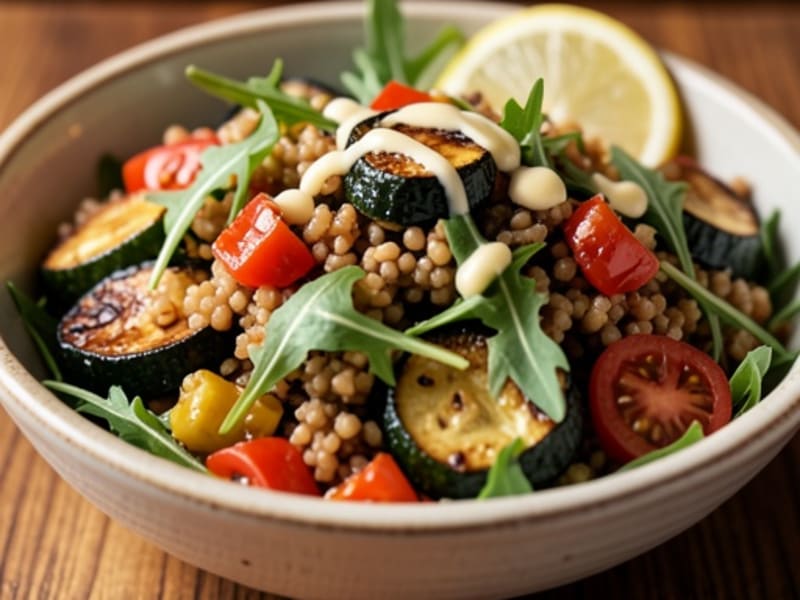
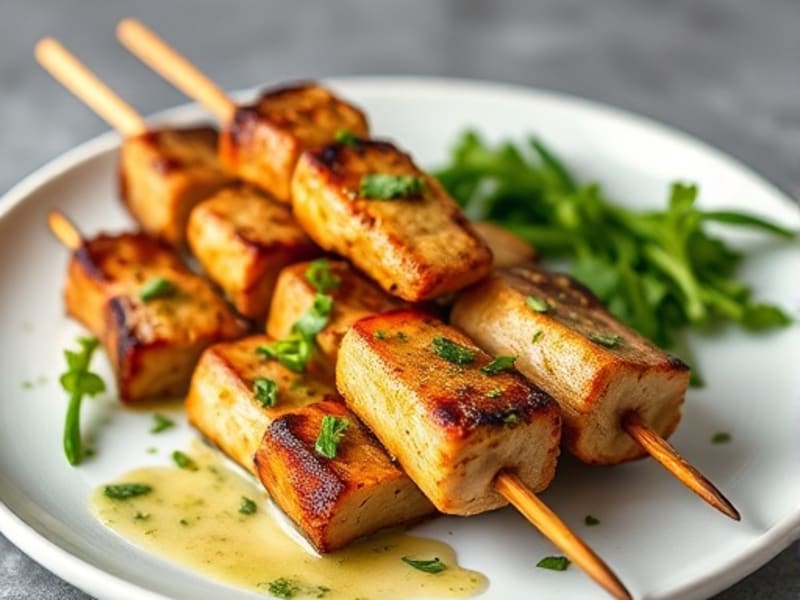
Okay, so vinaigrette is great on salads; we know that already. But why stop there? Think marinades that not only infuse meats with intense flavors but tenderize them too. Picture a delicate drizzle over roasted veggies or grilled fish, or even pasta! Yes, vinaigrette can be surprisingly adaptable. A sweet touch for fruit salads? Totally doable.
Why It's Good For You
Here’s where things get interesting. Home-crafted vinaigrettes can be quite beneficial health-wise when packed with quality ingredients. Olive oil provides heart-healthy fats while vinegars sneak in some antioxidants along with digestive perks. Plus, and this is important, you’re in charge of sugar and sodium levels if you make it yourself (a big thumbs-up compared to store-bought).
Picking Your Ingredients & Keeping Them Fresh
Choosing oils and vinegars matters more than you might think, opt for top-notch picks like extra virgin olive oil or balsamic vinegar from reputable sources. Store your freshly made concoction in an airtight jar inside your fridge; it'll keep well for about a week (give it a good shake before use).
As far as variations go? Well...there are endless possibilities! A balsamic number sweetened gently with honey perhaps? Maybe citrus flair thanks to orange juice addition, or spice things up using chili flakes if adventurous moods strike!
For those curious minds keen on digging deeper into mastering emulsions, a quick look through culinary hubs such as Serious Eats should do wonders [external link: https://www.seriouseats.com/how-to-make-stable-emulsions-recipe].
Useful Lingo When Talking Vinaigrettes
Whenever you bump into words like "salad dressing," "emulsion," “marinade,” or “condiment,” rest assured they're kissing cousins related closely back round tying securely towards what's essentially all about taste-bud tantalization wrapped generously between liquid perfection filling roles enhancing foods universally!