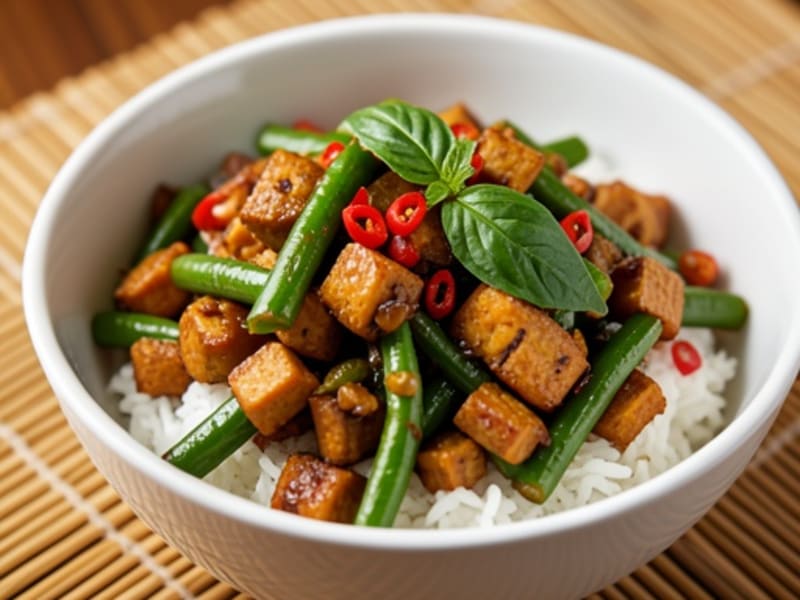
Let’s dive into the world of vegetable oil, a cornerstone in countless kitchens. We’ll explore its roots, versatility in cooking, and nutritional perks. Plus, you'll get some handy tips on choosing and storing this household staple. Knowing more about vegetable oil could spice up your culinary adventures.
What's All the Buzz About Vegetable Oil?
Think of vegetable oil as the behind-the-scenes player that comes from plants, often seeds or fruits like soybeans, sunflowers, corn, and canola. Unlike olive oil, it doesn't steal the spotlight with flavor. That mild taste is its superpower because it seamlessly blends into any dish you’re whipping up. Typically, it’s a cocktail of different refined oils that keep things neutral yet effective.
From Ancient Times to Your Stove
Way back when plant-based oils found their place lighting lamps and spicing early meals. Fast forward to the 20th century, the rise of large-scale production techniques made these oils household names. How do they get that neat bottle on your shelf? Crushing seeds, squeezing out the oil through pressing, and extracting every bit using solvents. Once harvested, it goes through steps like degumming and deodorizing to become that clear product we see in stores.
Cooking Wonders with Vegetable Oil
If kitchen awards existed for versatility, vegetable oil would nab one! Thanks to its high smoke point, it handles high-heat tasks like frying chicken or making those perfectly crispy fries without breaking a sweat, or turning bitter. But that's not all! It's fabulous for sautéing veggies or giving meats a golden touch when roasting. Oh, and let's not forget baking, it's a hidden hero adding moisture for fluffier cakes.
Sneaky Nutrition Insights
While it's primarily fats and calories you're pouring out of the bottle, there are hidden gems inside certain oils, like canola or soybean, that sneakily add omega fatty acids and Vitamin E goodness to your diet. Keep an eye on portions since these calorie-rich goodies demand moderation if you're counting intake.
How to Pick 'n' Store Like a Pro
Want advice on which vegetable oil is best for your needs? Consider what you're cooking: blends designed for high heat suit frying pans well. Storage tricks make all the difference! Tuck those bottles away in cool dark spots sealed tight; air or light are not friendly companions, they hasten spoilage (nobody wants rancid salad dressing). An unopened bottle is reliable up to 2 years but use opened ones within months!
Types You'll Come Across
The term “vegetable oil” covers everything under its canopy, each with unique charm whether bottled solo or mixed up together commercially, including heavyweights like canola, corn & sunflower amongst others commonly chosen depending upon regional preferences while phrases such as "partially hydrogenated" signify relic trans fat days gone by post