In this piece, we're diving into rice noodles, those slender strands that are a hit in Asian kitchens around the world. We’ll get into what they're all about, where they came from, how they grace your plate in different forms, and why they might be just what your pantry needs. Ready to noodle around? Let's go.
What Are They Really?
Think of rice noodles as the pasta of Asia, minus the gluten. They're crafted mainly from rice flour and water. Sometimes a touch of starch sneaks in to help them hold up better. When cooked, they’re nearly transparent with a nice chewy texture that plays well with others, that’s key. Their mild taste means they’re like blank pages for flavors; soaking up whatever you're dishing out, be it spicy broths or sweet sauces.
Where It All Started
These humble noodles likely have roots going way back to ancient China. Picture this: possibly as early as the Qin Dynasty (around 221-206 BC), when folks were getting creative with wheat noodle recipes but swapping wheat for rice, because that's what was growing aplenty down south. From there, these nifty noodles traveled throughout Southeast Asia, transforming into regional delights essential to dishes from Pad Thai in Thailand to Vietnamese pho.
How Do You Use Them?
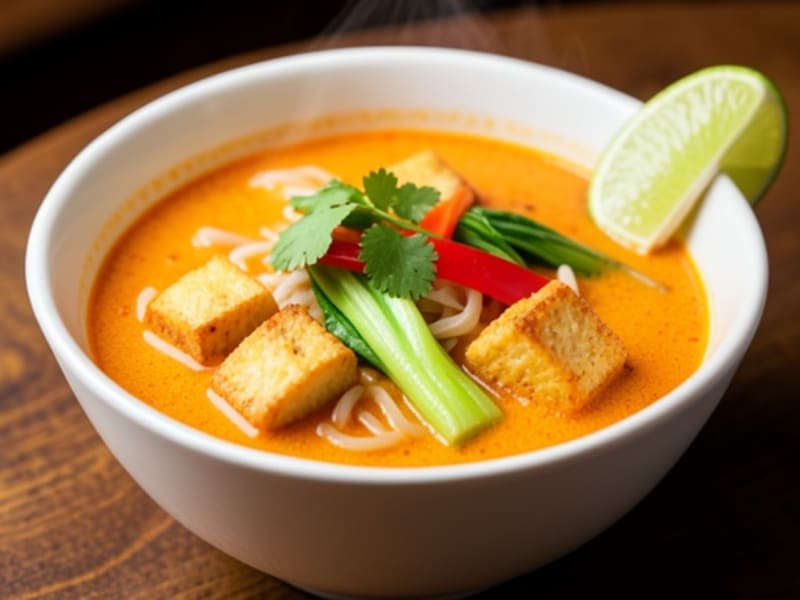
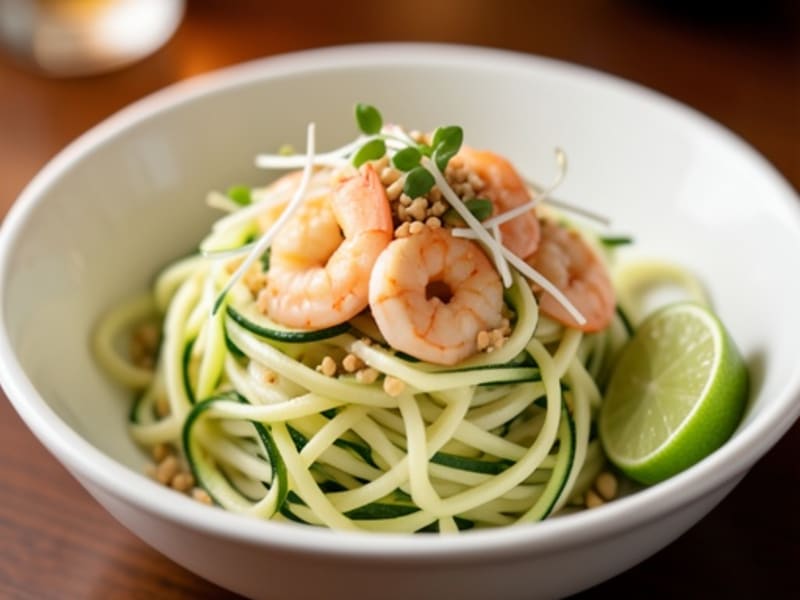
You could say rice noodles are like culinary chameleons, they adapt! You've got the skinny vermicelli variety making appearances in fresh spring rolls or tossed through zesty salads. Flat wide ones find their happy place swimming in pho broth or absorbing saucey stir-fries like Pad Thai. Whether they're woven into curries or starring in pan-fried creations, there's a lot you can do here.
Why They Might Be Good for You
For anyone ditching gluten due to allergies or sensitivities, great news! These noods naturally skip that part. Plus, they're pretty much low in fat and cholesterol-free while bringing complex carbs to keep you going strong throughout the day. Sure, you've gotta consider the other goodies tossed in with them, but as far as staples go? Not bad at all.
Picking 'Em Out and Keeping 'Em Fresh
Shopping for dry rice noodles? Trustworthy brands are your best friends; look for sealed packages free of moisture squabbles. Once homebound (noodle-bound?), stash 'em in an airtight container somewhere cool and dark so they'll stick around longer. Post-cooking storage's straightforward too, get them chilling right away in the fridge inside sealed compartments but aim to savor within two or three days.
All Those Names…
And speaking of travels! Names vary wildly across Asia: Vietnamese use bánh phở specifically fitted just right for pho soups; Thais play host using sen lek or sen yai depending on how thick, and wide, they want theirs dancing through dinner bowls while Cantonese treasure their wide flat wonders called ho fun. Meanwhile thinner varieties join forces as vermicelli under names like sen mee. Different names... same delicious origin.
It's easy isn’t it? How adaptable such basic ingredients can