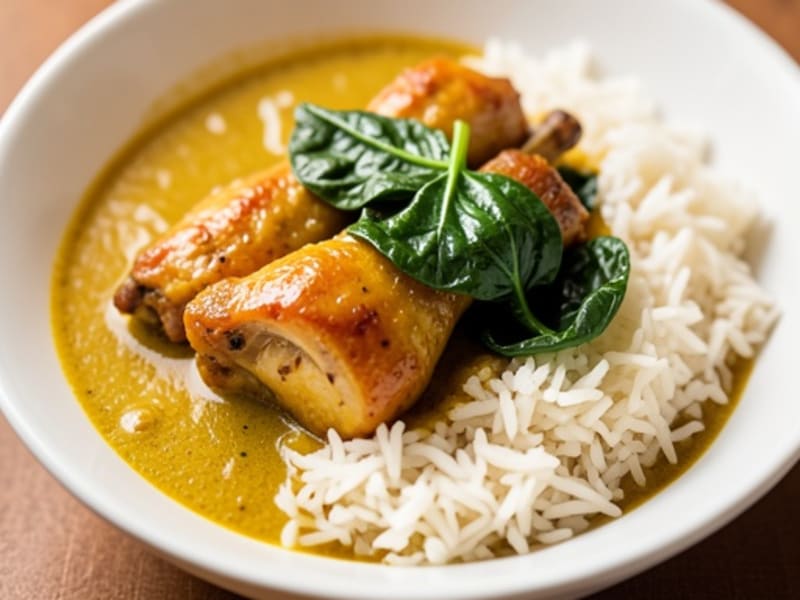
Let's dive into Basmati rice, a beloved grain that fills kitchens worldwide with its unique aroma and character. You’ll get a taste of its history, learn how it’s used in cooking, and understand why it’s valued for its nutritional benefits.
What's So Special About Basmati Rice?
Imagine long, slender grains of rice with a scent that evokes pandan or freshly popped popcorn, this is Basmati. Hailing mostly from India and Pakistan, it's celebrated for its nutty flavor. The magic happens when you cook it: each grain stays separate and fluffy, which means it pairs well with an array of dishes but won’t do the trick for sticky rice meals.
A Little Bit of History
Ever heard the term "Basmati"? It comes from Hindi meaning "fragrant earth" or simply "queen of fragrance." This aromatic treasure has been cultivated for ages near the majestic Himalayas, particularly in Punjab's lush fields across India and Pakistan. Here’s something cool: After harvest, it often sits around to age, sometimes for years! This wait isn’t just about patience; it's crucial for intensifying the aroma and perfecting how it cooks up, allowing each grain to elongate beautifully without falling apart.
How to Use and Pair This Delight
South Asian feasts often revolve around Basmati rice. Think biryani, a fragrant masterpiece of meat layered with spices and fluffy rice, or delicious pilafs. Its hallmark? Grains that refuse to stick together make it a dream partner for soaking up rich sauces from curries, dals, or alongside savory grilled meats. Not planning on making sushi or risotto though, that needs rice willing to cling together!
Why It's Good For You
Ever feel drained after eating? That’s less likely with Basmati since it provides energy steadily thanks to being a complex carb. Its glycemic index is moderate if you’re choosing white Basmati, not as harsh on your blood sugar spikes as other white rices can be. Opt for brown Basmati if you want extra fiber goodness, it keeps the bran layer intact! Fiber aids digestion and keeps you feeling full longer, plus both versions pack nutrients like magnesium and vital B vitamins.
How Do You Pick the Best One?
Choosing your bag can sometimes seem daunting... White or brown? Young or aged? Typically folks lean towards aged options since they enhance those lovely aromas further over time. Check labels carefully when shopping; trusted brands usually guarantee authenticity. Once home, store it in an airtight jar in someplace cool, away from direct sunlight, to ensure every grain stays fragrant until ready to cook. Oh, one last thing, give them a good rinse before heading onto the stove; goodbye excess starch! Hello fluffiness!
Related Varieties Worth Knowing
Jasmine rice might pop onto your radar occasionally, it shares some floral notes but sports much softer textures than our star today does because guess what? It sticks more! And while discussing this realm remember there's quite an ocean under what we call long-grain category regarding separation on cooking, they don’t turn into blobs easily!
Check out reliable sources if agriculture sparks any interest, the intricate dance between nature & food production is endless curiosity bait... [External Link: https://www.fao.org/home/en/]