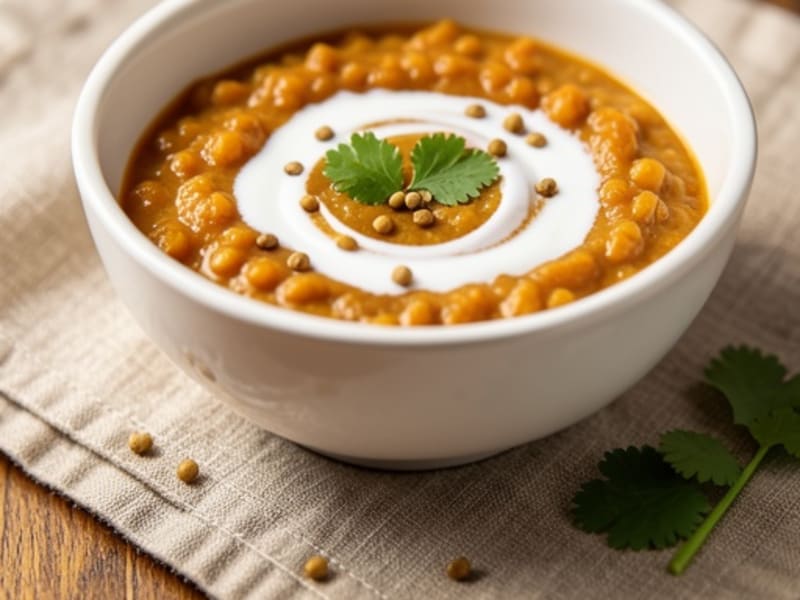
Let's dive into the world of red lentils, unraveling their roots, how you can whip up something delicious with them, the nutrition boost they offer, and tips for picking the best ones. These humble little legumes are packed with possibilities and promise, a budget-friendly way to eat well and feel good. So why have they taken kitchens worldwide by storm? Let’s find out.
What Are Red Lentils?
These nifty red lentils come from a plant known as Lens culinaris. Once they're split open and peeled, you get this vibrant reddish-orange seed. They’ve shed their outer skin, which means less cooking time and a silky-smooth finish when you’re done cooking. Think of them like the superheroes of the pulse world, delivering straightforward but mighty nourishment.
Origin and History
Believe it or not, lentils go way back in history. They've been growing alongside human civilizations for over 10,000 years! Hailing initially from places in the Near East, these guys have sustained entire communities with their reliable goodness. They especially found homes in Asian and Middle Eastern cuisines, anyone who's tried a genuine Indian dal can testify! Not to mention they thrive where other crops can't manage a toe hold.
Culinary Versatility
Here’s the magic: red lentils fit just about anywhere you put them. Talk about kitchen chameleons, they cook up fast (just 15 to 20 minutes) without soaking first. This makes them perfect when time is short but you want something nourishing on your table. Whether thickening a soup or playing the lead role in stews and dips, they nail it every time. And don’t forget those spicy curries where they always seem right at home.
Nutritional Powerhouse
Red lentils really bring their A-game nutrition-wise. They’re like gold for those needing protein sans meat, and that's great news if you're into vegetarian or vegan diets. Beyond muscle support, these pulses pack fiber that keeps things moving along smoothly digestively speaking while keeping hunger pangs away for longer stretches. Loaded with iron, folate, magnesium, the list goes on, they also aid blood sugar control and cardiovascular health.
Picking Them Right & Keeping Them Fresh
Shopping for these guys? Look for clean packs without dust clouds inside or any suspicious dampness going on, that spells trouble down the line! Stash them somewhere cool dark, in an airtight jar if possible, to keep flavor intact all year long almost. Just rinse before tossing into your next dish; no soaking necessary so whip them out when dinnertime needs rescuing!
Curious about some fun recipes? Check out [Client Plant-Based Recipes]!