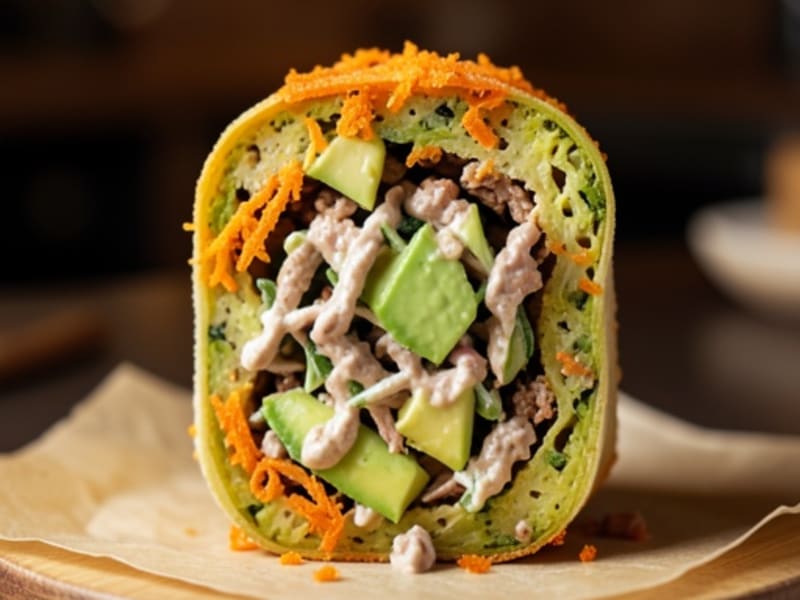
You know hot sauce, right? That zesty little concoction that's a staple in kitchens everywhere, crafted mostly from chili peppers and spruced up with vinegar, salt, and an array of spices. It's like this spicy maestro that conducts flavor symphonies in everything from mild dishes to those with heat so intense you might just sweat a bit. Its kick, well, that's all thanks to the type of chili pepper and its Scoville Heat Unit (SHU) rating. It’s the magic number that tells you how much capsaicin, or spicy goodness, you're signing up for.
A Little Trip Back in Time
If we rewind way back, I'm talking thousands of years, we land in ancient Mesoamerica. Here, people were growing chili peppers as far back as 7000 BCE! Picture it: rudimentary sauces crafted for both taste and preservation by indigenous folks who were ahead of their time. When the Spanish and Portuguese explorers decided to take chili peppers along on their travels, that's when things got interesting. Spicy sauces went global. Fast forward to the mid-19th century in the U.S. and you've got brands like Tabasco turning up the heat, literally popularizing bottled fire for everyone’s dining pleasure.
Where Can You Use It?
Honestly? Pretty much anywhere. From breakfast eggs to tacos or even pizza, it adds flair and some serious zing instantly. It’s not just about splashing it on though; many clever cooks weave it into marinades for meats or mix it into salad dressings. How about whisking it into a glaze or crafting a dipping sauce? You'd be surprised at how many meals suddenly become elevated experiences with a dash here or a pour there.
Why Do People Love It?
Well beyond taste, which let's face it, is reason enough, there are possible nutritional benefits too. Chili peppers pack a punch not just in spice but in vitamins A and C as well as flavonoids. The mighty capsaicin doesn’t just burn; it's been studied for possibly boosting metabolism and fighting inflammation. And there's also that endorphin rush explaining why people might seek out the spicy challenge!
Picking Your Perfect Bottle
So you’re heading down that hot sauce aisle, what do you look for? Well first up: decide your heat level comfort zone and what flavors excite you, is smoky more your jam or something fruity perhaps? Don’t forget to check ingredients if you're dodging additives. Store unopened bottles somewhere cool and dark; fridge most opened ones unless they’re heavy on vinegar, that keeps them shelf-stable longer.
And while we're diving deep into spicy waters let’s give nods to related delights like chili oil, sriracha, gochujang, salsa...each offering their own regional twist on tongue-tingling heat trips through distinctive ingredient blends!
Got questions about particular types of chilis themselves? Maybe peep over resources linked from places like University of Arizona Cooperative Extension (external link) to deepen understanding this big beautiful world formed by our fiery little friends called peppers...