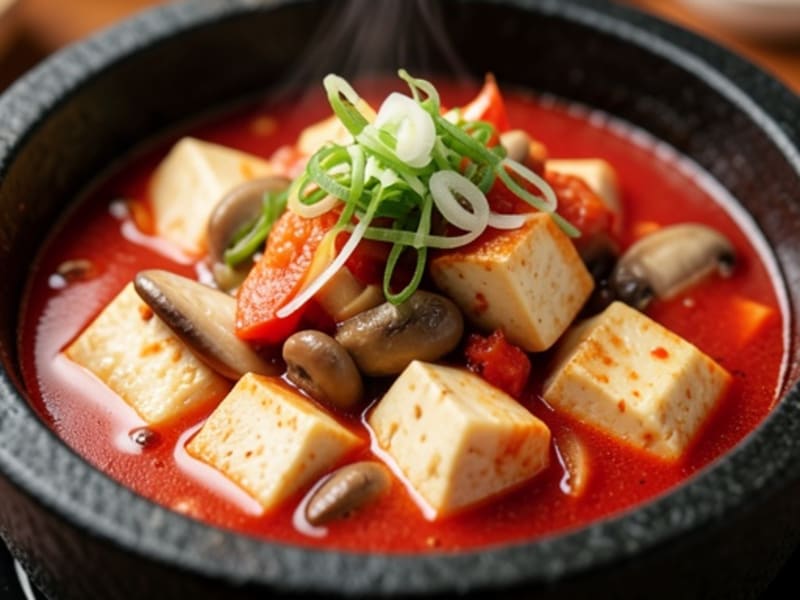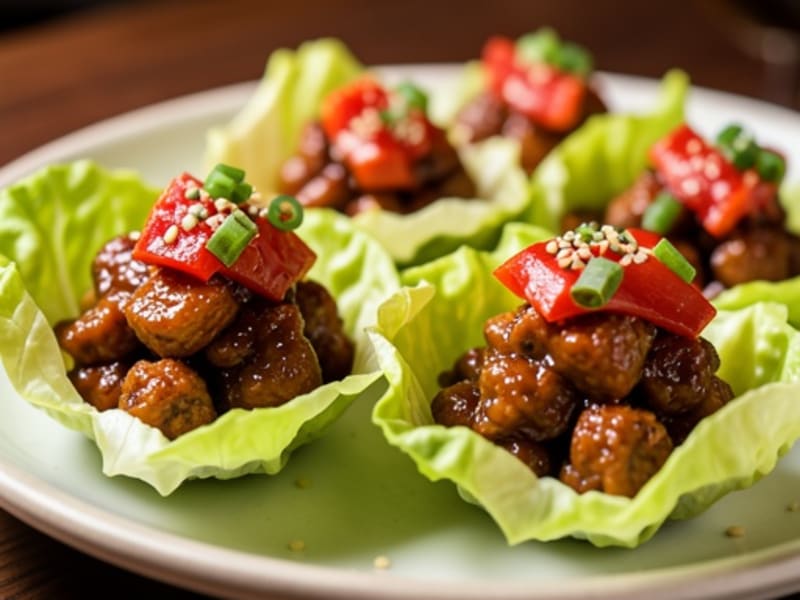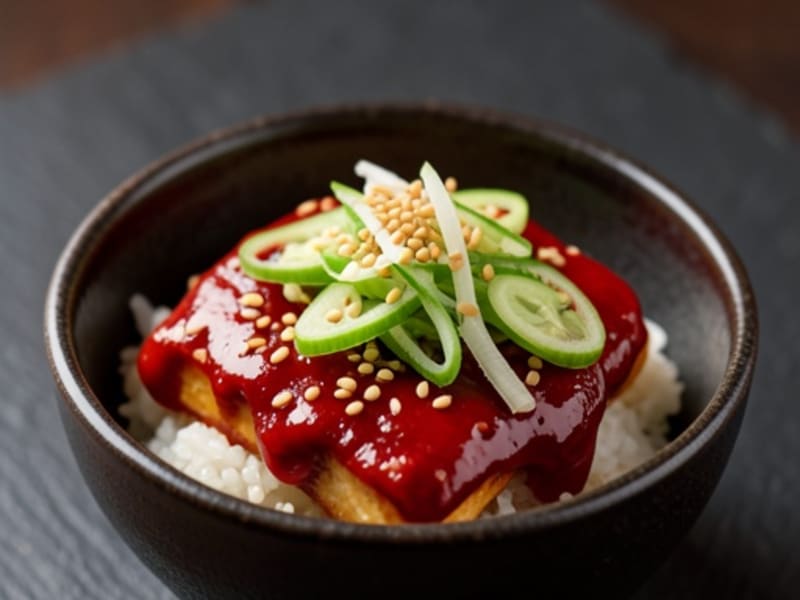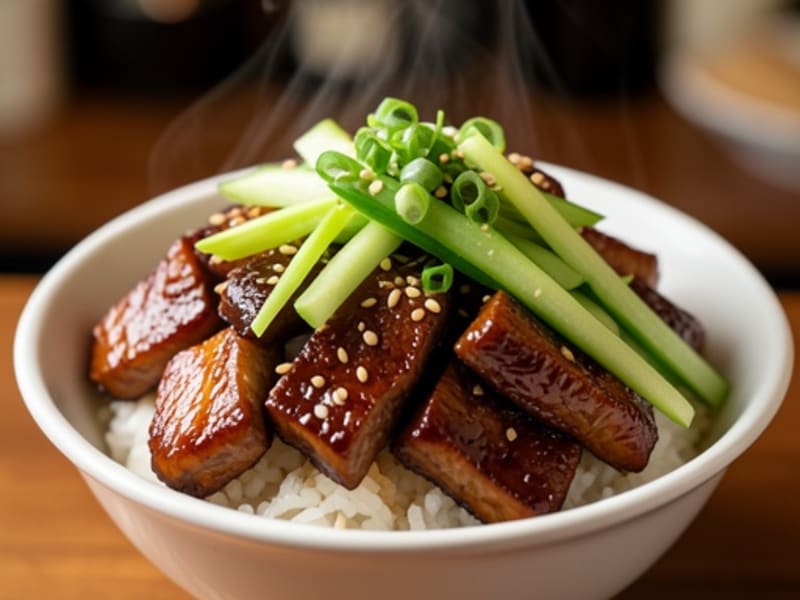
Dive into the flavorful world of Gochujang, a staple in Korean kitchens that's spicy, sweet, and savory all at once. We’ll journey through its vibrant history, see how it's made, and find out how this little wonder can totally transform your dishes. If you've ever wanted to bring a true taste of Korea to your table, understanding Gochujang is a great place to start.
So, What Exactly Is Gochujang?
In Korean cooking, Gochujang isn’t just another condiment, it’s the condiment. Think of it as an ultra-thick paste brimming with sweet heat and deep umami. It's made from gochugaru (Korean chili powder), sticky rice, fermented soybean flour, barley malt powder (yeotgireum), and salt. Letting these ingredients hang out in earthenware pots during the fermentation process turns them into something that hits every note, heat, sweetness, and savory richness in one punchy paste.
A Blast from the Past & How It's Used Today
Gochujang has some serious roots stretching back hundreds of years in Korea, likely popping onto the scene around the 16th century, even before chili peppers themselves were a thing there! Initially a pantry staple in mountainous regions thanks to its durable nature and strong flavors, families crafted it using passed-down methods that imbue each batch with its own character.
Nowadays, this multifaceted paste is used across an incredible range of dishes. Think about marinated BBQs like bulgogi or kicking up those chewy rice cakes (tteokbokki). It sneaks into sauces such as ssamjang, amps up stews with warmth (jjigae), spices up stir-fries, dresses salads, the list goes on! A dollop can upgrade even plain rice or noodles into something unforgettable by bringing in a spicy-sweet-savory blast.
Health Bits & Tricks for Storing It Right
Gochujang isn't just all about taste; it packs nutritional punches too! Thanks to capsaicin (the stuff behind the spice), it might help boost metabolism while possibly fighting inflammation. Plus as a fermented food option? Hello gut health support!
When shopping around, aim for batches showing off natural red hues minus too many extras added, those Korean markets often have great finds! After you've got yours? Keep any opened containers closed tight then tuck away in your fridge; you'll have plenty flavorful spur-of-the-moment meal ideas waiting throughout several months’ span. By learning lingo associated such as knowing "gochugaru" refers specifically referring type/kind i.e. chili powders while understanding uses beyond primary utility say dipping options including calling SSAMJ