Ever wondered about that little box of cornstarch lurking in your kitchen cupboard? Let's dive into what this stuff really is, why you keep reaching for it, and how it magically transforms your cooking.
So here's the scoop: Cornstarch is this fine powder made from the starchy heart of corn kernels. Picture those corn molecules expanding in hot liquid, turning into a thick gel. Amazing, right? And here’s the kicker: it's gluten-free and way better at thickening than regular flour.
Back in the 19th century USA, folks first used cornstarch to stiffen clothes! Wild start, huh? But soon enough, its culinary charms were discovered. By the late 1800s, kitchens everywhere embraced it for gravy and sweet treats. Not bad for something that started out making shirts crisp!
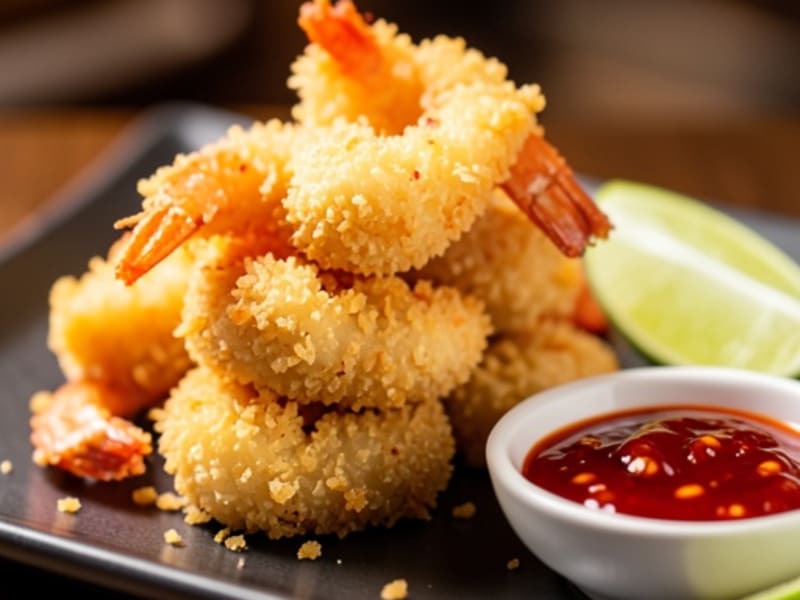
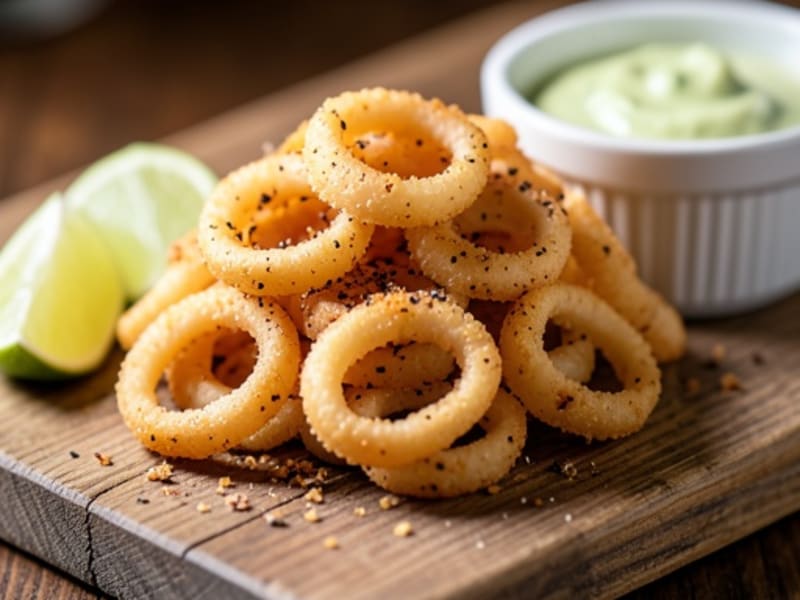
But let's chat about why it's famous now. Cornstarch plays a lead role in giving soups and sauces that glossy sheen. Always mix it with cold water before adding to hot liquids to skip those annoying lumps. Plus, want crunchier fries or tempura? Just sprinkle some cornstarch magic, turns out chefs have been onto this trick for ages.
Nutrition-wise, don't expect much beyond a burst of energy, cornstarch is mostly carbs with scant nutrients. Use a pinch here or there; it's not meant to be the next kale.
When you hit up the grocery store's baking aisle, you'll see cornstarch in boxes or bags, look out for leaks! Stash it in a sealed container somewhere dry and cool; this keeps it ready for action indefinitely though peak freshness hits around 1-2 years.
Oh and remember, "cornflour" isn't quite the same everywhere, in North America, when we say "cornstarch," that's what we mean specifically! Want alternatives? Try tapioca or arrowroot; they have their quirks, glossier results here, more acidity tolerance there (check this neat guide if curious).
For other must-have items every baker should consider keeping stocked up at home alongside cornstarch blissfulness... visit our ultimate pantry essentials guide.