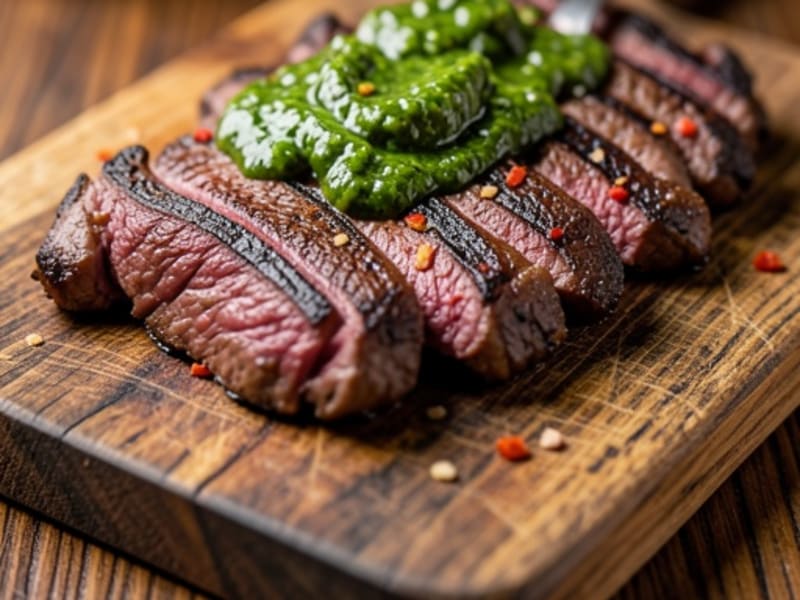
Chimichurri: The Vibrant Argentine Herb Sauce Explained
Let's dive into the world of chimichurri, a cornerstone of South American cuisine. Love fresh flavors? Then this zesty herb sauce might just become your new kitchen star!
So, What Exactly is Chimichurri?
Chimichurri isn't just another sauce; it's an explosion of taste, all packed into a simple, uncooked green or red concoction. Hailing from Argentina and Uruguay, it's typically made with parsley, garlic, olive oil, oregano, and red wine vinegar. Red pepper flakes might sneak in there to bring some heat. Occasionally, you'll spot it with cilantro or even onion for a twist. A tangy and savory herb masterpiece! Trust me, it’s not just for steaks.
Where Did It Come From?
The story of chimichurri's origin is as colorful as the sauce itself. Some say it got its name from Basque settlers; others claim "Jimmy's curry" was born when an English immigrant wanted something like curry sauce. No matter what you believe, one thing's certain, this sauce found its heart at asado, the South American BBQ gathering that's all about family and friends.
What Can You Do With It?
Sure, you’ve heard of it on steak. But that’s only scratching the surface. Drizzle chimichurri over roasted veggies or slather it on grilled fish and chicken. Want more? Use it as a marinade for your meats before tossing them on the grill or transform sandwiches by adding a dollop inside. Its acidic punch makes heavy dishes feel lighter and elevates tacos or scrambled eggs to new heights.
Why It's Good For You
Let's talk nutrition, chimichurri doesn't just taste good; it's pretty healthy too! Made with parsley bursting with vitamins K, C, and A, it's quite nutritious. Garlic has its fair share of benefits for immunity and heart health too! Plus olive oil contributes healthy fats along with antioxidants. True, portions matter because of the oil base but compared to heavier sauces, it’s a winner.
How to Keep Your Chimichurri Fresh
Making chimichurri from scratch guarantees flavor magic! When choosing ingredients go for crisp parsley leaves and vibrant garlic cloves, freshness is key here. Store your homemade creation in an airtight container in the fridge where it'll hang around fine for up to a week though the color may fade slightly with time, but taste deepens which can be delightful...and did you know you can freeze it? The texture will alter but why waste such goodness?
What Else Should You Know?
Ever tried "red chimichurri"? Imagine incorporating roasted red peppers or paprika, it’s richer and smokier but retains that robust essence we love! Enter salsa criolla, a different cousin made with onions bell peppers tomatoes offering fresher crunch alongside its familiar zing spirit complementing our beloved traditional version without overlapping tastes, you've got options galore friends whether whipping up at home navigating culinary adventures worldwide ensure these dressings accompany discoveries there's wealth untapped flavors enhancing every dish under sun check 'Zestly-Condiment-Guide' domestic joys maybe this valuable route cherish relishing piquant gifts nature showcases explore more awesome condiments here!