Mastering Pork Shoulder: Oven Techniques and Flavorful Pairings
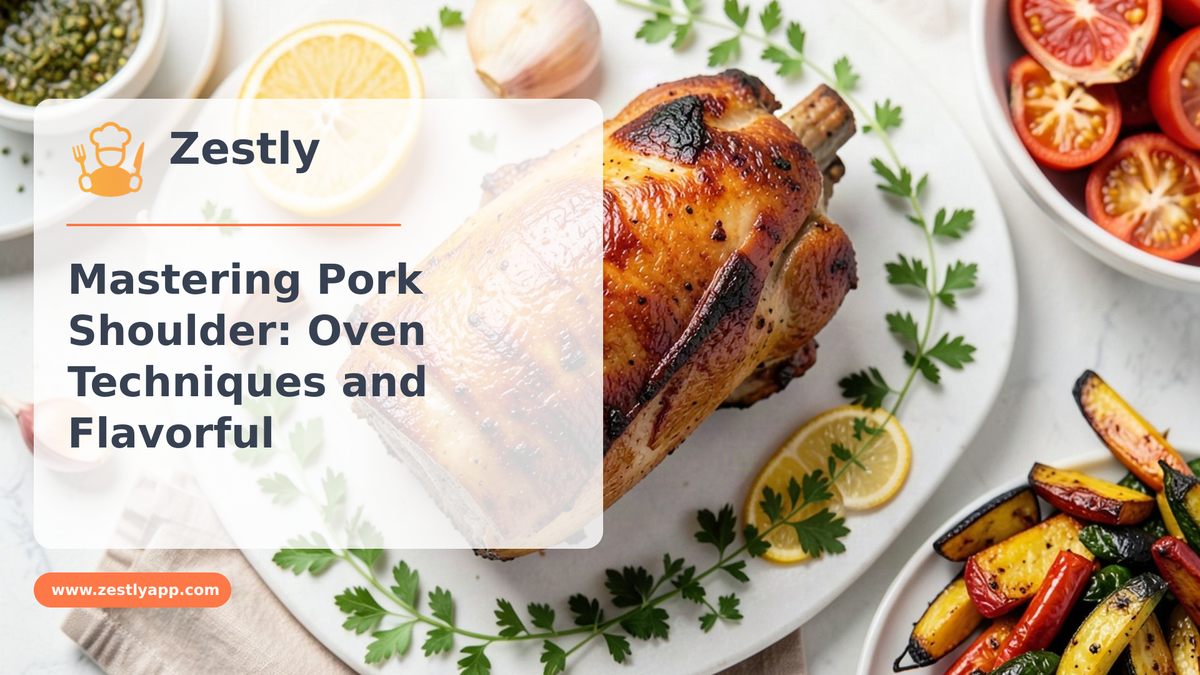
Pork shoulder is a versatile cut that's perfect for slow-cooking in the oven, yielding tender, juicy meat and a world of flavor possibilities. Whether you're a novice or a seasoned home cook, mastering this cut can elevate your culinary skills and bring new dimensions to your meals. Let's dive into the techniques and flavor pairings that make pork shoulder a star on any table.
Choosing the Right Cut
When it comes to pork shoulder, choosing the right cut is key. Look for a piece with a good amount of marbling, as this fat will render down during cooking, keeping the meat moist and flavorful. Bone-in options provide extra flavor, but boneless is easier to slice and serve, making it a great choice for sandwiches and tacos. Opt for a cut that's evenly proportioned and has a nice layer of fat on top, which will protect the meat during cooking and contribute to a luscious, tender result.
The origin of the pork shoulder can also influence its flavor and texture. For instance, heritage breeds often provide more complexity in taste and a finer texture. If you have access to a local butcher, don't hesitate to ask for recommendations—they might have specific cuts that are particularly well-suited for slow roasting.
Prepping Your Pork Shoulder
Before you cook, take a few steps to ensure your pork shoulder is prime for the oven:
- Season well: Generously rub the surface with salt and your choice of spices or a marinade. This enhances flavor and helps create a delicious crust. Consider using coarse salt, which penetrates the meat better, and allow the seasoning to sit for a few hours or overnight if possible. This process, known as dry-brining, can significantly boost the meat's flavor.
- Score the fat: If your pork shoulder has a thick fat cap, score it in a crosshatch pattern. This allows the fat to render properly, basting the meat as it cooks. Ensure that you cut just deep enough to penetrate the fat without slicing into the meat itself, which could cause the juices to escape.
- Room temperature: Let the pork sit at room temperature for about an hour before roasting. This ensures even cooking throughout the meat. Cooking cold meat can lead to uneven doneness, with the exterior cooking much faster than the center.
Oven Cooking Techniques
Cooking pork shoulder in the oven is straightforward, but a few key techniques will ensure success:
- Low and slow: Roast at 275°F (135°C) for 6-8 hours, depending on size. This slow cooking method breaks down the collagen in the meat, resulting in a tender, melt-in-your-mouth texture. It's important to be patient and resist the urge to increase the temperature to speed up the process. The extended cooking time is crucial for achieving that perfect tenderness.
- Start with a sear: For a crispy exterior, begin by searing the pork shoulder at a high temperature (around 450°F or 230°C) for about 20 minutes before reducing the heat. This initial blast of heat sets the crust and enhances the depth of flavor.
- Baste occasionally: If you're using a marinade or sauce, baste the pork every hour to build layers of flavor and keep the meat moist. Be mindful of not opening the oven too frequently, as this can cause heat loss and extend the cooking time.
Flavor Pairings
Pairing the right flavors with pork shoulder can transform a simple roast into a memorable meal. Here are a few suggestions:
- Citrus and herbs: Lemon, lime, or orange zest combined with fresh herbs like rosemary and thyme add brightness. The citrus cuts through the richness of the pork, creating a balanced and refreshing profile that complements the meat's natural sweetness.
- Asian-inspired: Soy sauce, adobo seasoning, and ginger create a savory umami profile. Adding a splash of rice vinegar or a touch of honey can enhance these flavors, providing a sweet and tangy contrast.
- Smoky and spicy: Use spices like smoked paprika and chorizo for a bold, robust flavor. Consider adding a dash of cayenne or a pinch of chili flakes for a bit of heat to balance the smoky notes.
Sides to Serve
Complement your pork shoulder with sides that enhance its rich taste. Consider these options:
- Roasted vegetables: Brussels sprouts, broccoli, or bell peppers all work beautifully. Toss the vegetables in olive oil, salt, and pepper for a simple yet delicious accompaniment that can roast alongside the pork.
- Creamy polenta or mashed potatoes for a comforting texture contrast. For an extra indulgent touch, stir in some butter and cheese into the polenta or potatoes, creating a rich and creamy side that pairs perfectly with the savory pork.
- Cabbage slaw: A tangy, crunchy slaw provides a refreshing counterpoint, perfect for balancing the richness of the pork. Use a vinegar-based dressing to add acidity, which helps to cut through the fattiness of the meat.
Storage and Leftovers
Pork shoulder is perfect for meal prep or enjoying leftovers:
- Fridge: Store in an airtight container for up to four days. Reheat gently to prevent drying out, adding a splash of broth or water if necessary to maintain moisture.
- Freezer: Slice and freeze for up to three months, ideal for quick meals. To freeze, wrap the slices individually in plastic wrap before placing them in a freezer bag, which helps to prevent freezer burn.
Leftover pork shoulder can be repurposed in a lemongrass pork banh mi bowl, adding a flavorful twist to your weekday meals. Alternatively, consider using the leftovers in tacos, sandwiches, or even as a topping for pizza.
Further Reading
For more inspiration on balancing flavors, check out our article on how to season food like a chef. And, if you're interested in exploring other proteins, our guide on the ultimate guide to buying, prepping, and searing skirt steak might pique your interest.
Pork shoulder is a culinary canvas waiting to be painted with flavors. With the right techniques and pairings, you can transform this humble cut into a show-stopping dish. Ready to get started? Explore more recipes and tips on Zestly, and let's cook something extraordinary together.
Frequently Asked Questions
How long should I cook pork shoulder in the oven?
For a tender and juicy result, cook pork shoulder in the oven at 275°F (135°C) for 6-8 hours, depending on size. This low and slow approach ensures the meat is thoroughly cooked and easy to shred.
What temperature should pork shoulder be cooked to?
Pork shoulder should be cooked to an internal temperature of 190-205°F (88-96°C) for the best texture. This range allows the collagen to break down, resulting in tender, pull-apart meat.
Can I prepare pork shoulder in advance?
Yes, you can season and score the pork shoulder a day in advance and let it rest in the fridge. Bring it to room temperature before cooking for even results.
What spices pair well with pork shoulder?
Pork shoulder pairs well with a variety of spices, including smoked paprika, cumin, garlic powder, and fresh herbs like rosemary and thyme. For a unique twist, try incorporating [adobo seasoning](/glossary/adobo-seasoning).

Written by
Matthew Weitzman
Founder, Zestly
Matthew Weitzman is the founder of Zestly, on a mission to make everyday cooking easier and more joyful. A lifelong home cook, he writes about practical techniques, smart ingredient choices, and building confidence in the kitchen.
View all posts →