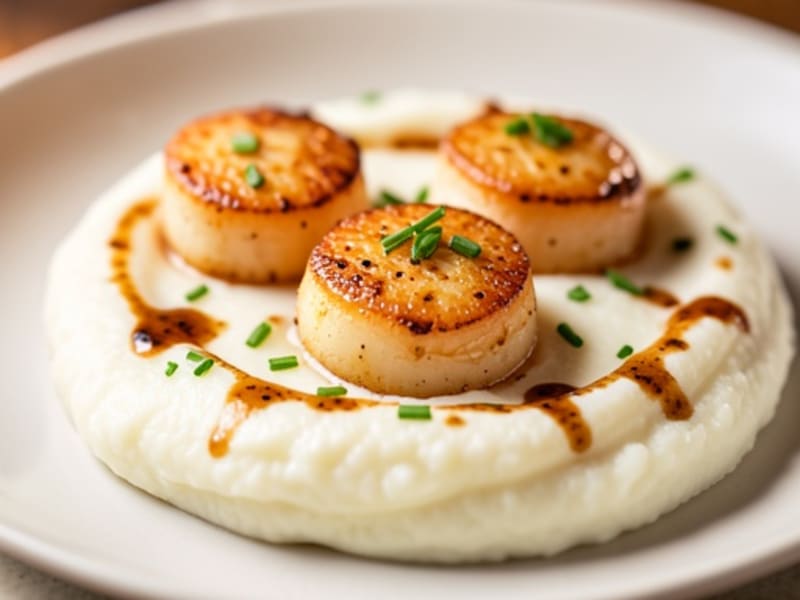
Imagine a spice that offers warmth without demanding the spotlight, meet white pepper. It's an understated yet crucial ingredient in kitchens worldwide. Unlike black pepper, it's all about subtlety; it's there to enhance flavor without interrupting the visual harmony of your dish.
So, What Exactly is White Pepper?
White pepper comes from the very same Piper nigrum vine as black pepper. The magic lies in its process, berries are fully ripe when they're soaked to soften the skin and stripped down to just their pale cores. Once dried, what remains are off-white peppercorns with a milder punch than their dark counterparts. The taste? Think earthy, maybe even a bit fermented at times. Many chefs lean on its "clean" heat for delicate culinary creations where you don’t want any dark specks messing up the look.
A Brief Stroll Down Memory Lane
Let's rewind to India’s Malabar Coast, home turf of the Piper nigrum. Black pepper hogged the limelight early on, but somewhere along history’s path, folks figured out white pepper’s unique process and charm. It took center stage in Asian cuisine, perfect for broths and sauces where you crave subtlety without black speckles. European chefs also found it appealing for creamy concoctions requiring both elegance and spice.
How Do Folks Actually Use This Stuff?
When you need that gentle peppery vibe minus bold visuals, grab white pepper. Imagine it lifting cream-based sauces or giving potato dishes an extra oomph without hijacking their color palette. From white gravies to clear soups, you’ll see it work wonders. Stir-fries in Chinese cooking? Check. Marinades or even those spicy hits in hot and sour soup? Absolutely! Poultry and fish love it too.
Is It Doing Anything Good for Me Health-Wise?
You won't be feasting on it by the spoonful, but white pepper adds a touch of goodness to your diet, a whisper of piperine aiding nutrient absorption alongside little bits of manganese and iron plus some fiber thrown into the mix.
How Do I Choose and Keep This Stuff Fresh?
The best bet? Opt for whole, unblemished white peppercorns or freshly milled powder if that's more your style. They should live in a cool, dark hideaway far from moisture's sticky clutches, the secret sauce for maintaining maximum aroma over years with whole ones; ground varieties lose zing much quicker, freshly grinding them might just become your new favorite ritual.
Oh Hey, Other Peppers in the Mix
Venturing beyond basics uncovers cousins like green peppers (unripe kin), pink faux-peppercorns from unrelated plants altogether or Szechuan zingers boasting distinct botanical roots again… Adding fresh ground or corns dubbed either “white” plays off dual spiced silhouettes delivered through tradition amongst vibrant fusion dining routes today, not forgetting good ol’ reliable blacks still punching past percussive palates everywhere!