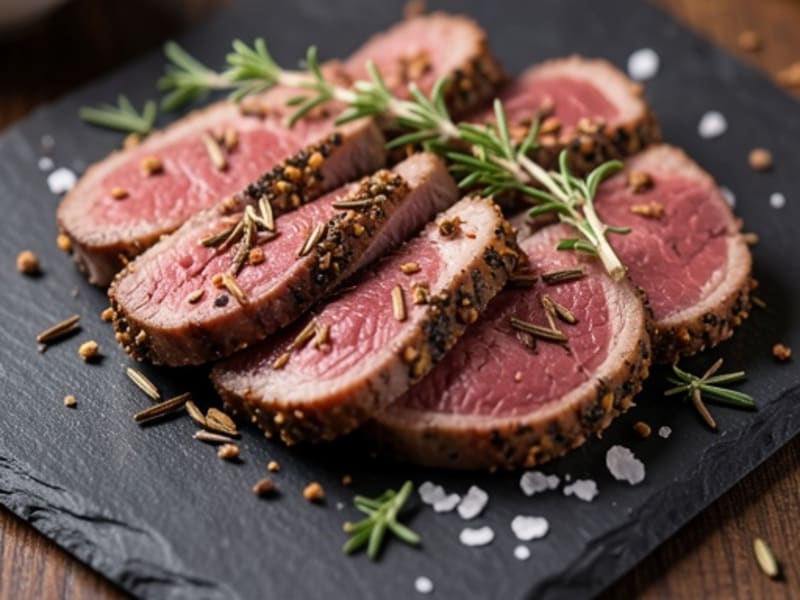
Thyme: A Fragrant Culinary Herb
Thyme, that fragrant little power player of the herb world, finds its home in so many kitchens across the globe. Part of the mint family (Lamiaceae), this evergreen beauty isn’t just about tiny leaves, it's all about that earthy yet minty aroma and subtle floral undertone. It's like the unsung hero that secretly elevates every dish it graces. Take it away, and you'd definitely feel something was missing.
With roots stretching back to the sun-kissed Mediterranean shores of southern Europe and North Africa, thyme has quite the storied past. Ancient Egyptians used it for embalming; Greeks saw it as a bravery symbol and infused their baths and temples with it. Romans? They believed a bath with thyme could boost a soldier's vigor. Oh, and those medieval knights cherished gifts adorned with thyme sprigs, a mark of courage indeed! It's seen things.
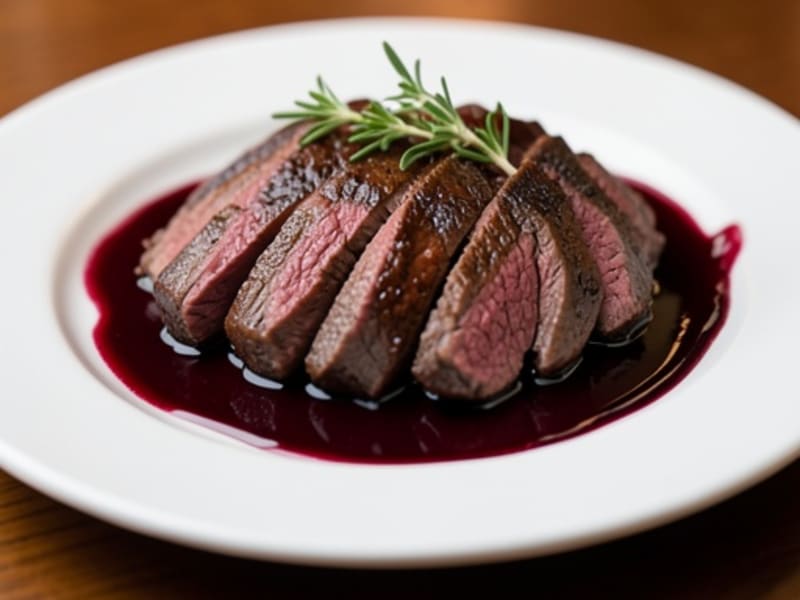
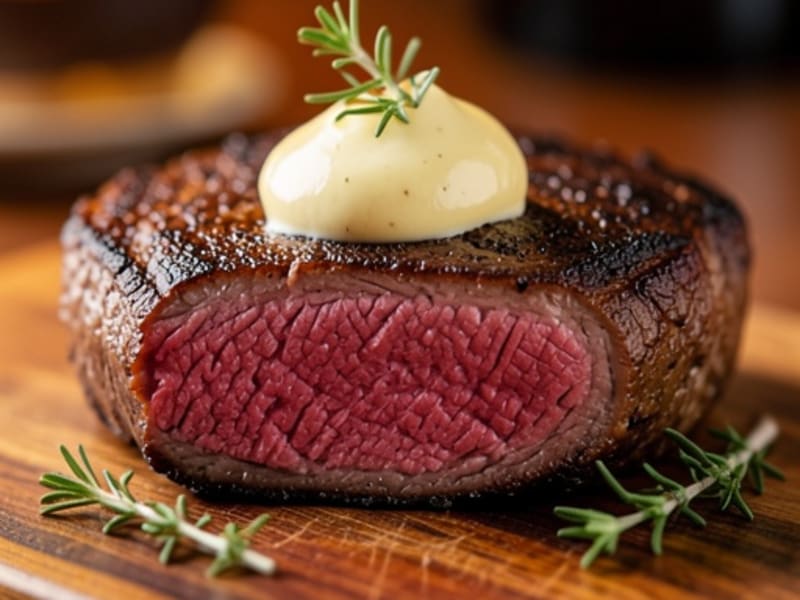
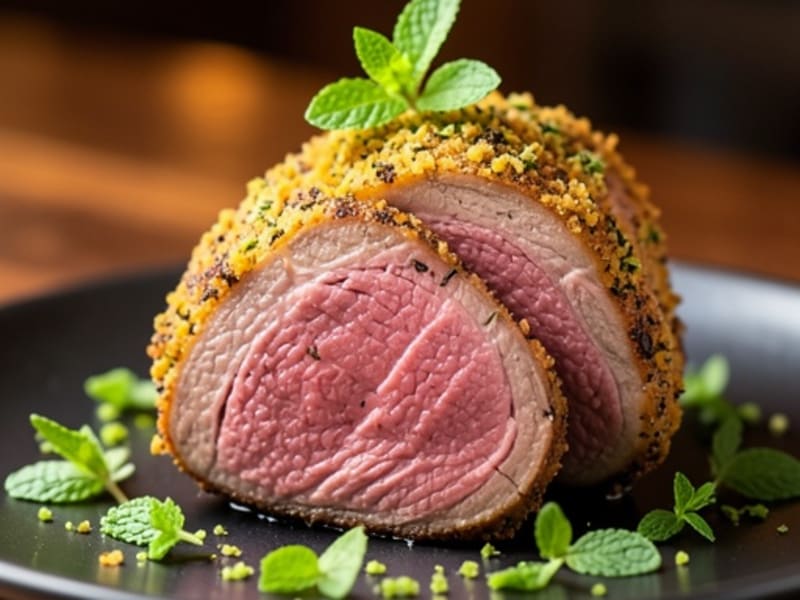
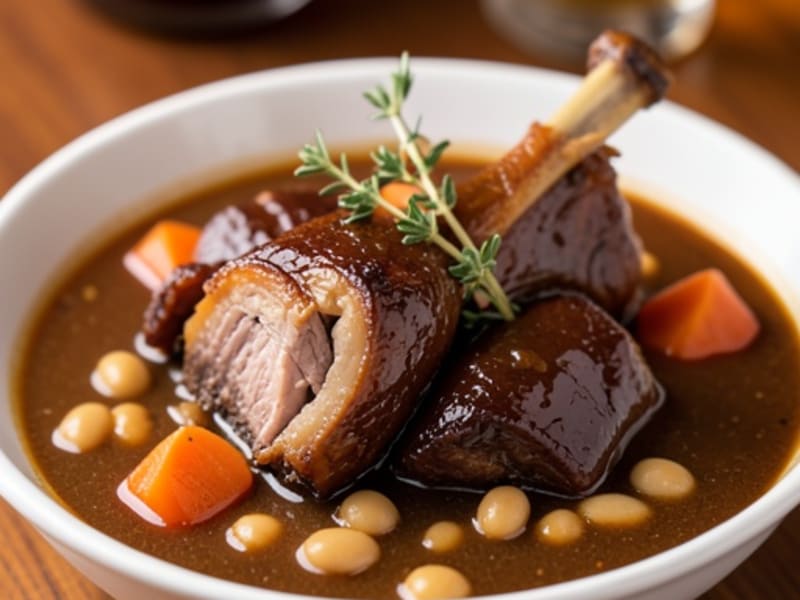
When it comes to cooking, oh boy, does thyme know its stuff! Pair it with meats like chicken or lamb, and you'll see what I mean, it amplifies flavor without taking center stage. You’ve likely tasted its magic in stews, soups, and all those slow-cooked goodies where its flavor really works wonders over time. Think beef bourguignon or hearty chicken noodle soup, thyme's probably hanging out there somewhere. Plus, roasted veggies like potatoes? Pure magic when combined with thyme's savory touch. French, Italian, Middle Eastern cuisines, you name it; it's there making waves! Marinades to sauces thrive on fresh sprigs or dried leaves; talk about versatility!
Nutritionally speaking, thyme brings more than taste to the table. It's got compounds like thymol that might offer antiseptic kicks plus antioxidants! You're probably not gobbling down enough for a mega health boost, but still! Vitamins A and C make cameo appearances too alongside iron and manganese, just minor acts in your dinner drama though!
Picking thyme is a sensory affair: Look for sprigs bursting green freshness topped off by an invigorating aroma; dodge any signs suggesting wilting gloom please… For best results afterward? Wrap up those vibrant snippets using damp paper towel armor before sending them off fridge-bound where they’ll last up until about seven days (assuming ‘care’ followed). As for dried compatriots, they shine ensconced within airtight retreat away from destructive light’s grasp approximately spanning entire year long-term plan assured.
Whether tackling “common,” “lemon," or "creeping" varieties, all boisterously beckoning experimentation anew sure leads memorable culinary adventures yearning uniquely captured fragrant riffs each unto their distinctive credit perpetually thriving creative escapade ignited within moments explored freely if only glimpsing glimpse potential entailed holding disparate collection otherwise unseen intuitive articulation otherwise disregarded misconceptions realizing experienced exciting tomorrow finally empowered enthusiast explored sumptuous bounty imbued resounding phenomenon set experiences much capturing globally collective preferences transform aspirations unique personas emulating appreciation allowing opportunities showcasing skill savor internationally appreciated spectrums day reinvigorated lenses distilled imaginable zest worthy inducing broader fantastical delights unearthed uniformly foster inevitably responsive visionary possibilities quest motivation fulfilled lifestyles universally richer--and frankly who can resist anything filled thyme-meets-imaginary-border-transcendent-culinary-colossus