Peanuts, often known as groundnuts or goobers, aren't just snacks; they've got a fascinating backstory and plenty of uses beyond munching. Let's dive into what makes these little legumes so intriguing, from their beginnings and how they're used in the kitchen to their health perks. Plus, I'll share some handy tips on picking and storing them.
What Exactly Are Peanuts?
So, here’s the thing, peanuts might not be what you think. They’re actually legumes, part of the bean family rather than nuts. Crazy, right? Their journey starts above ground with a flower that decides to go underground to develop seeds within a shell. Typically snug inside each pod are one to three seeds, giving that familiar crunch we all love.
How Did Peanuts Come About?
The story begins in South America over 7,600 years ago with ancient folks in Bolivia and Peru nurturing them. Enter the Spanish explorers, voila! Peanuts spread their roots into Europe before finding a home in Africa and Asia. By the 18th century, they’d crossed over to North America. Thanks to George Washington Carver singing their praises, peanuts became super important agriculturally.
Cooking Up a Storm with Peanuts
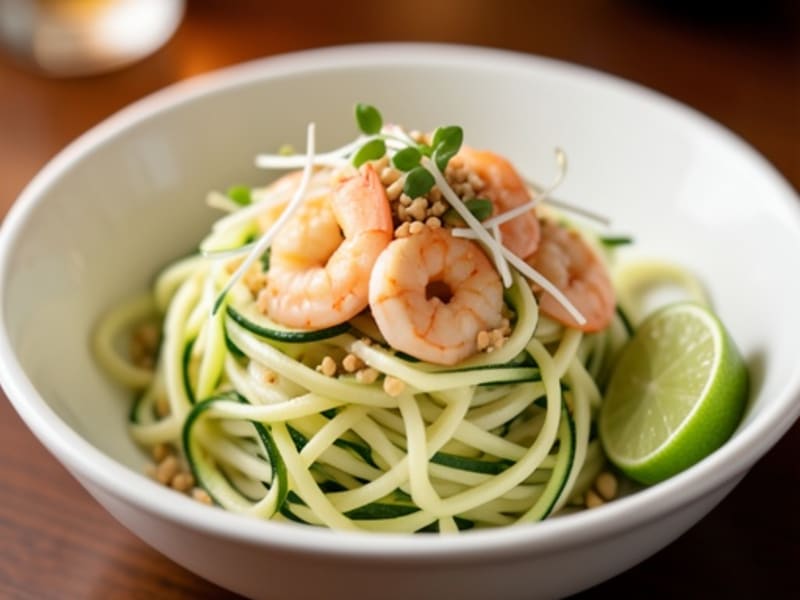
Talk about versatility, peanuts fit pretty much everywhere! Sure, they make great roasted snacks or creamy peanut butter (who doesn’t love that?). But they also steal the show in dishes like Thai satay and enhance African meals. Crushed peanuts? Perfect for adding texture to your dessert lineup. And let’s not forget peanut oil, it’s the secret behind some tasty fried treats!
Why They're Good for You
Need a nutritional powerhouse? Look no further. Packed with protein and heart-loving fats, peanuts don’t mess around when it comes to health benefits. They offer fiber plus a good mix of vitamins like B vitamins, magnesium, you name it, all contributing significantly to overall wellness.
How to Keep Them Fresh
When selecting peanuts, aim for those intact shells minus any mold issues, trust me on this one! If you're dealing with shelled ones, ensure they're firm with no off smells attached. Storing unshelled? Cool and dry places are your friend. For shelled types, think airtight containers in the fridge for up to three months, or freeze them if you need more time, to keep that taste spot-on.
Got your peanut game sorted? Awesome!