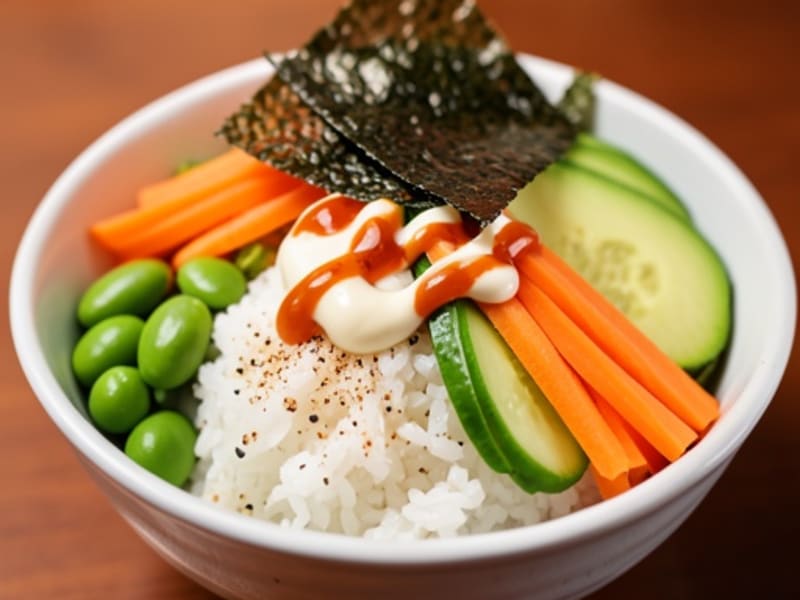
Ever thought about what makes your sushi rolls so scrumptious? It's probably those nifty nori sheets giving them that signature flavor. Let’s dive into everything there is to know about these unique dried seaweed sheets: their fascinating origins, myriad uses in cooking, nutritional perks, and even some handy storage tips. Feeling peckish yet?
So, What Are Nori Sheets Anyway?
Think of nori sheets as ultra-thin, dried blankets made from edible seaweeds, typically from the red algae family known as Porphyra. The making process isn't too different from crafting paper, seaweed gets shredded, pressed flat, and then dried. More often than not, you'll encounter "yaki-nori," which means it's been gently toasted to amplify its nutty taste and crispy texture. Perfect for adding to your favorite dishes!
A Peek at Nori's Past Life
Eating nori has been a tradition in Japan that goes back ages. Imagine this: ancient times when people saw it not just as food but even as tax payment! Originally snagged off rocks, real cultivation kicked off much later during the Edo era. Post-World War II advancements turned nori into the polished sheet form we adore today, a beloved item in kitchens worldwide.
Beyond Sushi: Unleashing Nori’s Culinary Magic
While sushi (think maki or temaki rolls) is what first comes to mind, nori’s culinary adventures don’t end there. Picture onigiri rice balls enveloped with nori or its pieces sprinkled over ramen, udon noodles, or hearty donburi bowls. Sometimes it stands alone as "aji-nori," a flavored snack that's hit with many fans. And why stop there? Tear it up for salads or toss it on baked potatoes for an extra crunch that’ll surprise you.
Why Nori Is a Nutritional Gem
Don’t underestimate those dainty little sheets; they're jam-packed with good stuff. Loaded with iodine for keeping your thyroid on track, plus vitamins A, C, B12 and K aplenty, it doesn’t stop there! Iron? Check. Calcium? Got it! Magnesium too! All this alongside dietary fiber and plant protein while being super low on calories makes them pretty compelling health-wise.
Choosing and Storing Like a Pro
Picking out nori is no biggie if you know what you’re looking for: go dark green to almost black; nice consistency matters most, look for sleek surfaces without tears or dullness...gotta have that luster! Keep unopened packages in cool places away from moisture, don’t let dampness sap crispiness or flavor away quickly though once open make sure it stays tightly sealed, a good airtight container works wonders too, and maybe stash it inside fridge/freezer especially if muggy climate tempts frequent spoilage calls first dibs.
Hungry for more must-have ingredients topping essential pantry lists? Don’t miss our full glossary filled with tasty insights waiting just around each corner....