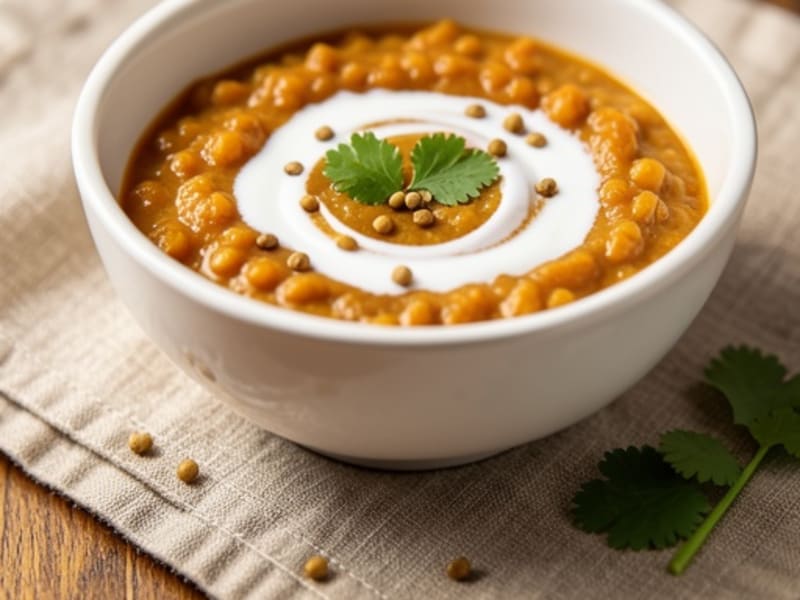
Mustard seeds, those little nuggets of flavor and power, come from the mustard plant in the Brassicaceae family. Don’t let their minuscule size fool you, they're like flavor bombs just waiting to enhance your dishes with a robust pungency. From sparking up humble meals to bold culinary explorations, these seeds are indeed a staple around the globe.
Where Did These Little Gems Come From?
Picture this: ancient civilizations have been relishing these tiny seeds for eons! Originating in the Indus Valley and mentioned in ancient texts written in Sanskrit, they’ve got history all right. Before these seeds made waves in kitchens, Romans and Greeks used them as medicinal staples. Over centuries, these peppery powerhouses traveled across Asia and Europe, enriching cuisines everywhere they went.
How Do You Use Them?
The culinary magic of mustard seeds lies in their adaptability across countless cuisines. In many Indian dishes, whole seeds are tossed into sizzling oil until they burst open, filling the air with a nutty aroma that makes curries and dals irresistible. They're also favorite ingredients for pickling or turning into zesty marinades. And let’s not forget ground mustard seeds; they're foundational for spicy mustards and vibrant spice rubs. Surprisingly versatile for something so small!
Why They're Good for You
Besides making food deliciously memorable, mustard seeds carry a punch nutritionally too. Loaded with nutrients like selenium, magnesium, calcium, and iron, these little treasures offer more than taste; they might even promote digestion and reduce inflammation thanks to compounds known as glucosinolates. Including them in your meals? Pretty much a no-brainer if you’re after both flavor and nutrition.
How to Keep Them Fresh
When it comes to selecting your mustard seeds at the store, or farmers' market, go for whole ones that smell nicely pungent. Any hint of dustiness or an unpleasant scent is your cue to steer clear! Once you’ve got them home safe and sound, pop them into airtight containers away from light or heat, a foolproof way to keep their zest alive for about a year. As for ground mustard? It needs some quicker attention since its kick can fade faster.
Exploring Types & Variations
There are three main types you'll come across: yellow (or white), brown, and black, you'll get varying heat levels from each! Yellow is on the milder side; brown gives a sharper edge; while black brings intense pungency. There’s also finely ground mustard powder plus prepared mustards combining seasoned blends of these tasty seeds with liquids.
To discover more spicy avenues explore our [client:Spice Blends page] (internal link), or delve into spice health insights at places like Harvard T.H. Chan School of Public Health (external link). It's worth diving deeper into how such a small seed can create mighty flavors, and benefits, for your palate!