Fresh Parsley: A Culinary Workhorse
Fresh parsley often gets typecast as a mere garnish, but this bright green herb is so much more than just a decorative touch. It’s a culinary powerhouse that brings a burst of fresh, clean flavor to dishes from all over the world. Whether you're whipping up Italian sauces or Middle Eastern salads, parsley is a kitchen staple with a global reach.
A Herb with Ancient Roots
Parsley is not just a modern-day kitchen hero; it has a rich history that stretches back to ancient Greece and Rome. Initially, it was prized for its medicinal qualities and was even used in funeral rites. Eventually, though, it found its way into the culinary world. Thanks to the Romans, parsley spread across Europe and quickly became a garden and kitchen favorite. Fun fact: the word "parsley" comes from the Greek "petroselinon," which means "rock celery," hinting at its knack for thriving in rocky soil.
Culinary Uses and Applications: Beyond the Garnish
Sure, parsley looks pretty on a plate, but its real magic happens when you mix it into your recipes. Here’s how you can make the most of fresh parsley:
- Sauces and Dressings: Add finely chopped parsley to pesto, chimichurri, vinaigrettes, or creamy sauces for a touch of brightness.
- Salads: Essential in tabbouleh and other fresh salads, parsley offers a peppery, slightly bitter kick.
- Soups and Stews: Toss in some fresh parsley toward the end of cooking to infuse an herbaceous flavor.
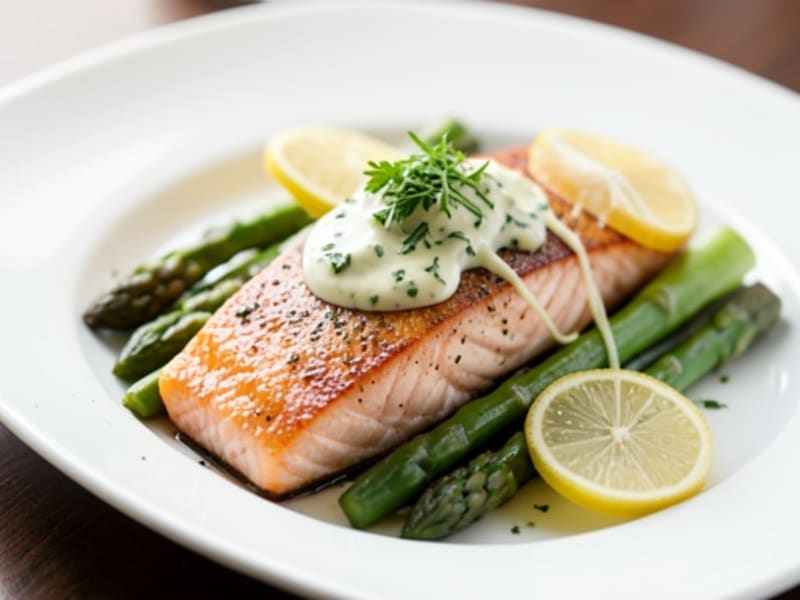
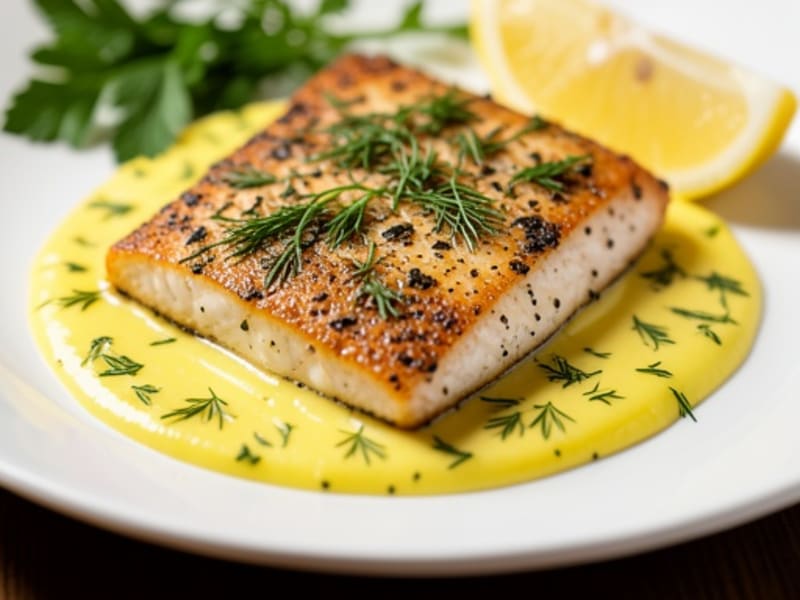
- Meat and Fish Dishes: It’s a perfect match for grilled meats, roasted chicken, and seafood. Sprinkle it on top for color and flavor.
- Stuffings and Fillings: Mix chopped parsley into stuffings for poultry, veggies, or pasta.
- Gremolata: This classic Italian condiment features parsley, lemon zest, and garlic. It’s just what you need over osso buco or braised meats.
Nutritional Powerhouse
Parsley isn’t just about flavor; it’s packed with nutrients too. It’s a great source of vitamins A, C, and K, along with folate and iron. Plus, it’s loaded with antioxidants that help defend your cells from damage. Some research even hints that parsley might have anti-inflammatory benefits and aid digestion.
Selection and Storage for Maximum Freshness
When you’re shopping for parsley, pick bunches that are vivid green with firm, crisp leaves. Steer clear of any that's wilted, yellowing, or bruised.
For storage, trim the stems and pop the bunch in a glass of water, like a bouquet. Cover it loosely with a plastic bag and stash it in the fridge. Change the water every couple of days, and your parsley should stay fresh for up to a week. If you want to stash some for later, chop it finely and freeze it in ice cube trays with water or olive oil. Once frozen, just move the cubes to a freezer bag, and you’re set!
Variations: Flat-Leaf vs. Curly
You’ll most likely come across two types of parsley: flat-leaf (or Italian parsley) and curly. Flat-leaf parsley has a bolder, more robust flavor, making it the go-to for cooking. Curly parsley, with its milder taste, often ends up as a garnish. Nutritionally, they’re quite similar, so the decision boils down to your personal taste.
And there you have it! Fresh parsley isn’t just a pretty face; it’s a versatile and nutritious addition to your meals. Whether you’re cooking up a storm or just want a sprinkle of green, parsley is your herb.