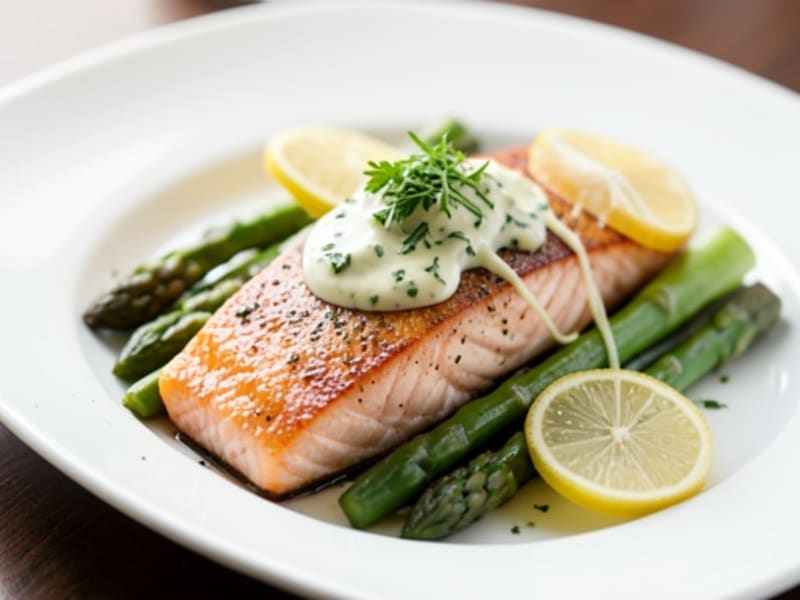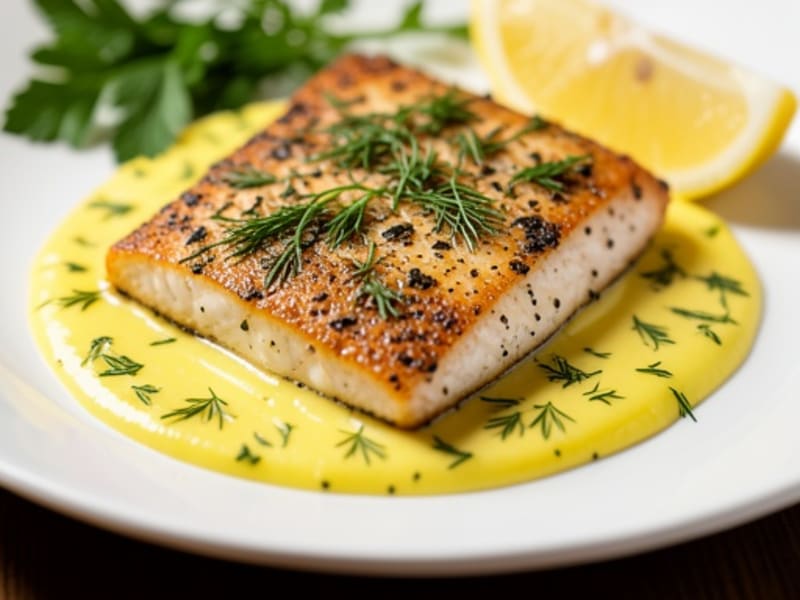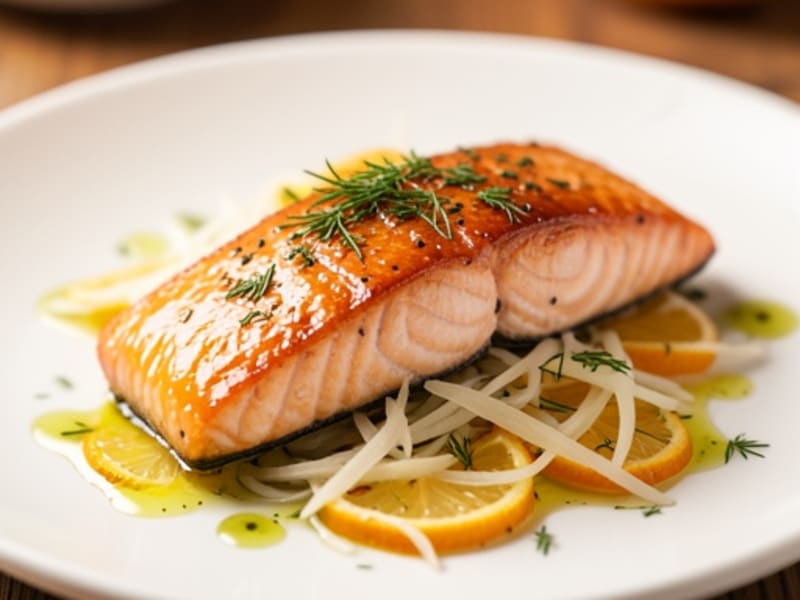
Let's dive into the intriguing world of fresh dill, a staple in kitchens worldwide. We'll touch on its delightful attributes, give you a glimpse into its history, and explore how it can enhance your meals. Plus, I'll share why this herb is not just tasty but also packed with benefits. We'll wrap things up with some savvy tips on picking the finest dill and keeping it vibrant.
What's the Deal with Fresh Dill?
At its core, fresh dill (or Anethum graveolens if we're being fancy) is known for its lacey leaves and unique taste that's both grassy and citrus-like. Folks call the leaves "dill weed." You could say it's been around the block, it was loved by ancient Egyptians and Romans who used it beyond cooking, believing in its powers to ward off evil spirits. Kind of gives it an enchanting flair, doesn't it?
How to Work Magic with Dill in Your Cooking
Dill isn't just about looks; it's a game-changer in the kitchen. Got fish? Throw some dill on top, especially salmon, and watch your dish come alive! This little green wonder shines in European recipes: think hearty soups, potato salads, and yes, classic pickles. Ever tried tzatziki? Yup, that's dill working its magic there too. Pro tip: To make sure that burst of flavor sticks around, add dill right at the end or use as a garnish.
Why It's Actually Good for You
Okay, so we know dill tastes amazing, but it's not just about flavor, it's about health too! Loaded with vitamins like A and C plus some iron and manganese thrown in for good measure. Oh, did I mention antioxidants? They're like your body's bodyguards against cellular mischief. Sure, some folks claim dill aids digestion or even helps with hiccups, that's more of an old wives' tale than science, but hey, there's no harm in giving it a try!
Picking It Right and Storing Like a Pro
Spotting quality dill at your local market involves looking for vibrantly green and crisp bunches; wilting or any discoloration? Not ideal. If it smells nice too, you're onto a winner! Now to keep that dill going strong once it's home: you have options! Either wrap those stems in a damp towel inside a baggie or treat them like fresh flowers, stick them upright in water under loose plastic, in your fridge they go. Aim to use it within seven days before those flavors start waning.
Curious Tidbits About Related Varieties
Ever wonder what "dill seed" is all about? That's the dried fruit of our beloved plant, stronger and slightly bitter but perfect for pickles or bread-making adventures! Let's not forget "Anethum graveolens", which covers all things common dill-wise; it sure earns its spot amongst herbs worth chatting over coffee about. Hungry for more detailed tidbits? Give Wikipedia's Dill Page a glance when curiosity calls!
There you have it, a glimpse into everything exciting about fresh dill that'll spice up both your culinary escapades AND conversations alike (talking herbs should become everyone's favorite new hobby).