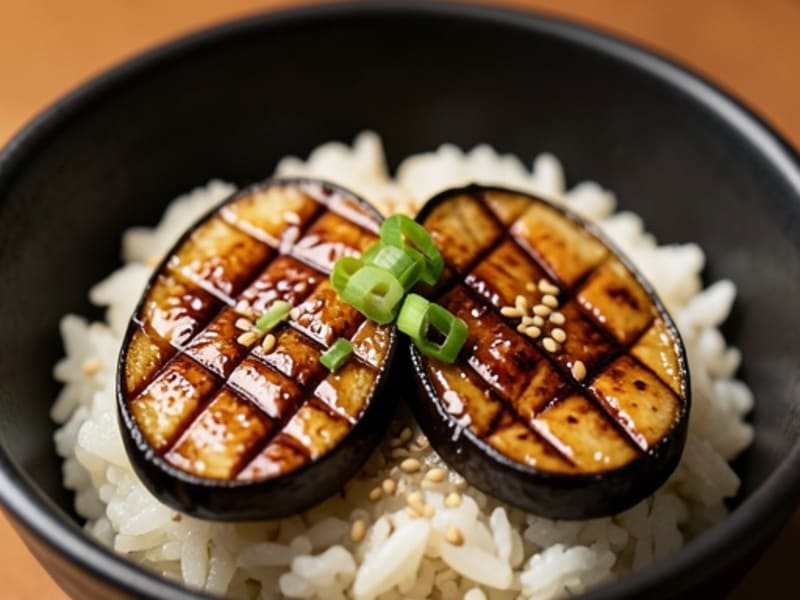
Eggplant, technically known as Solanum melongena, is one of those food items that always intrigues me. It's this nightshade fruit parading around as a vegetable, showing off its smooth purple skin and soft, creamy insides. Though most people picture it in shades of deep violet, the eggplant universe is diverse, coming in an array of colors like white, green, even striped. Talk about a shape-shifter! It's famous for absorbing flavors like nothing else, making it indispensable across kitchens worldwide ().
Now, let’s jump into our time machine for a bit. Picture ancient India, that's where the eggplant story began. Fast forward to 5th century BCE China, where it was eagerly cultivated. Thanks to Arab traders and the enterprising Moors, it trekked over to Africa and made quite an entrance into Spain during the Middle Ages. Europe was skeptical at first; there were whispers of madness due to its ties with the nightshade family. But let’s be real, we've moved way past those quirky fears today.
The versatility of eggplant can't be overstated; it's like that actor who can play any role effortlessly. In the Mediterranean, you'll taste it in dishes such as silky baba ghanoush and flavorful moussaka. It lights up Italian tables in parmigiana or brightens French meals as ratatouille. Tossing them on the grill, roasting or frying? Always hits the spot! There’s a type for every dish: think large American varieties or slender Japanese ones, the globe kind from Italy fits too. Each has its own unique bite.
Despite its somewhat brooding looks, eggplant's chock-full of good stuff for you. We're talking dietary fiber that your gut will thank you for. Vitamins like B1, B6, K are all in there too, and let’s not forget minerals such as copper and potassium which are super helpful! The rich purple hue comes from anthocyanins, powerful antioxidants doing their magic under that glossy skin.
Choosing an eggplant can feel a bit like finding treasure; go for firm ones that feel heavier than they look with skins as shiny as polished leather boots. Watch out for telltale signs like wrinkles or blotches, they’re best left behind! Keep 'em fresh by storing them unwashed in a cozy corner of your fridge (the crisper drawer is ideal), staying vibrant for about 5-7 days. They don’t love frostbite though…so skip extreme chill!
Related Names & Local Lingo: Aubergine (Across Britain and France) Brinjal (In parts of South Asia)