So, What Exactly is Cheese?
Cheese. Oh, that delightful dairy gem! It's a fabulous concoction born from milk by clumping up proteins called casein. Usually, you’ll need a bit of rennet or some acid magic for the job. This separates milk into chunky curds and watery whey. Press those curds, throw in some salt, age 'em just right, and you've got cheese with a kaleidoscope of flavors and textures. From cow's milk to more exotic choices like sheep or buffalo (even yak!), each one promises its unique twist.
Digging Into Cheese’s Deep History
Cheese didn't just pop up yesterday; it's been around forever, or since 8,000 BCE-ish. It probably kicked off when some ancient nomads stumbled upon it by accident. Imagine them carrying milk in animal stomachs and discovering it thickening into curdly goodness thanks to lingering rennet! More than just tasty, this meant preserving precious milk before refrigerators entered the scene. Even ancient Egyptians and Mesopotamians loved it, and then Romans spread their cheesy love across Europe.
The Culinary Wonder That is Cheese
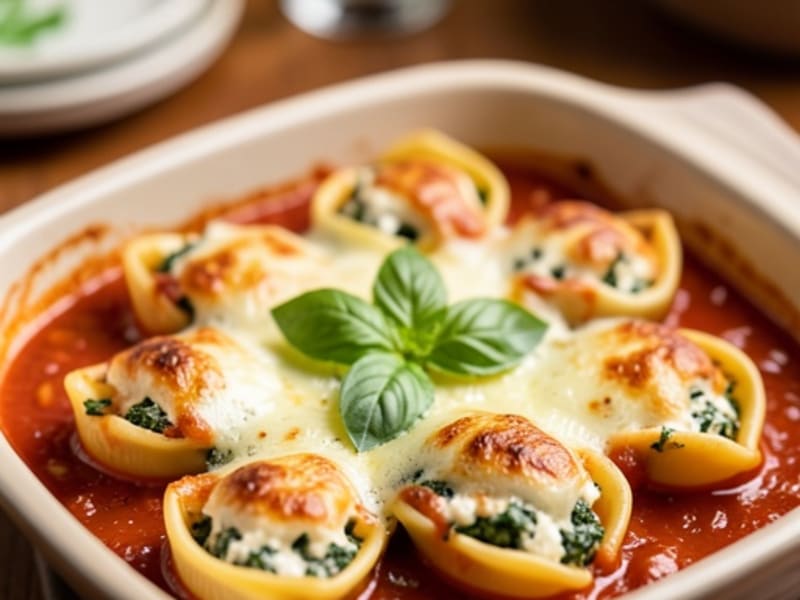
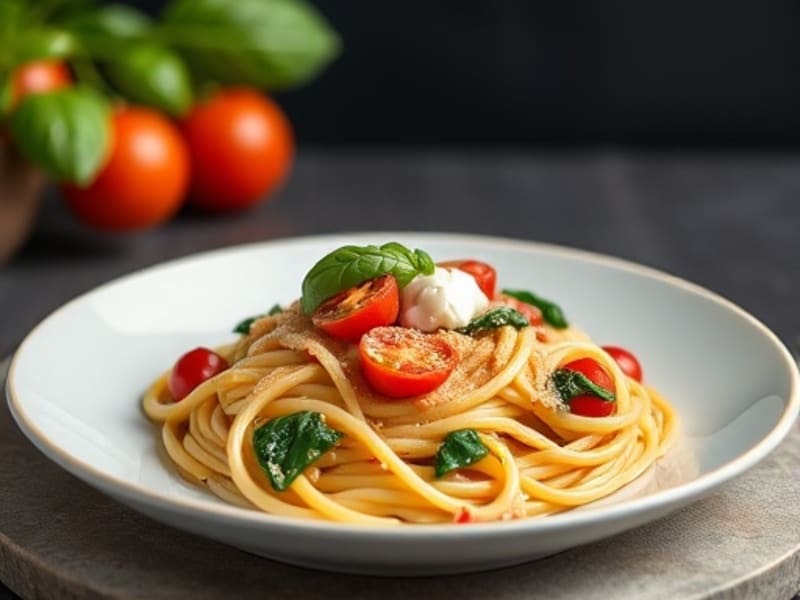
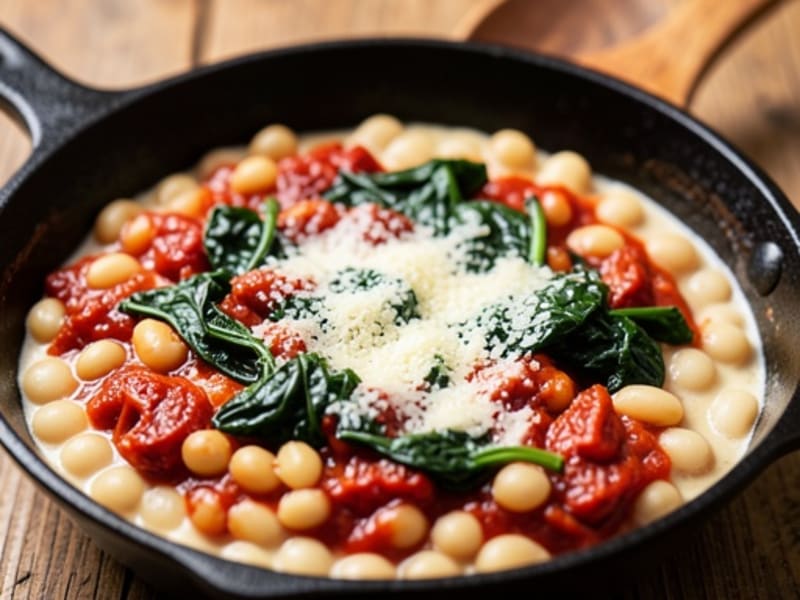
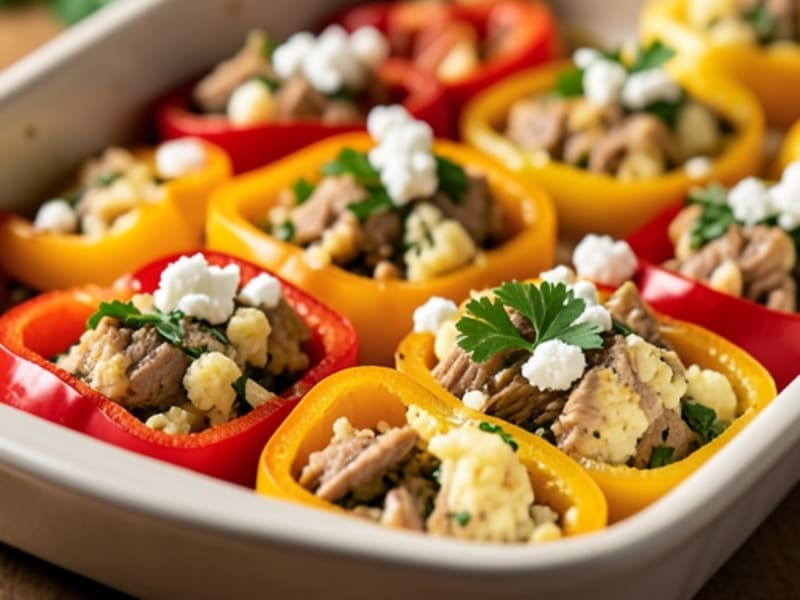
Is there anything cheese can't do in the kitchen? It’s such a star performer, great for nibbling straight up or as part of the fancier charcuterie boards with fruits and nuts. Or let it sizzle gloriously over pizzas and melts snug in grilled sandwiches. Toss shreds of Parmesan onto pasta or scatter feta crumbles on salads, yum! Wine and cured meats make perfect partners too. Feel like trying something crazy with cheese? Go wild!
Why Cheese Isn’t Just About Taste
Apart from making your taste buds dance, cheese packs quite the nutritional punch, but watch how much you munch! Loaded with protein for muscles and calcium for sturdy bones, it's beneficial if you don’t go overboard. Plus, many types offer good stuff like vitamins B12 and A along with helpful fats. Though its saturated fat can be a villain if unchecked, moderation’s key!
Picking & Stashing Your Cheese Stash
Picking good cheese isn’t science; it's trusting what your eyes and nose tell you! Vibrant hues? Good sign. Nice aroma, not amonia? Also good! The texture should feel right to you per cheese type norm. Fridge stashing demands strategy: wrap cheeses lightly in parchment to let them breathe without drying out, plastic isn't usually their friend long term because moisture locks away odors nicely until spoilage pops up instead). For yum factor enhanced at meals, bring ’em back room temperature for thirty minutes first before eating much else needed as tips mention places like Culture Cheese Magazine give more storage savviness).
And hey... have "curds" (nope...not way), "rennet," "soft,” “hard,” cheeses down Pat yet + still want exploring cheese whole galore?). Well roll-up sleeves lest miss ultimate tastiness within assorted names mozzarellas(!), cheddars(!!); smooth Bries 'Goudas equally crumbly delights Feta so shall covet any day now clearly any case maybe display possibility darling basics sure unforgettable remarkable finders hopefully soon experience feeling rare moments indeed highlight savory indulgences amongst curiosity today endless whirl number when leaving unforgettable aspect remembered through moments discovery eventually after zest tonight…